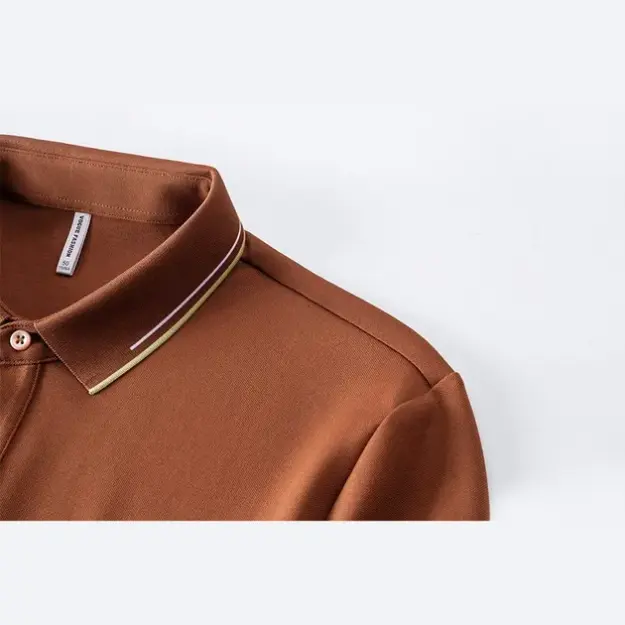
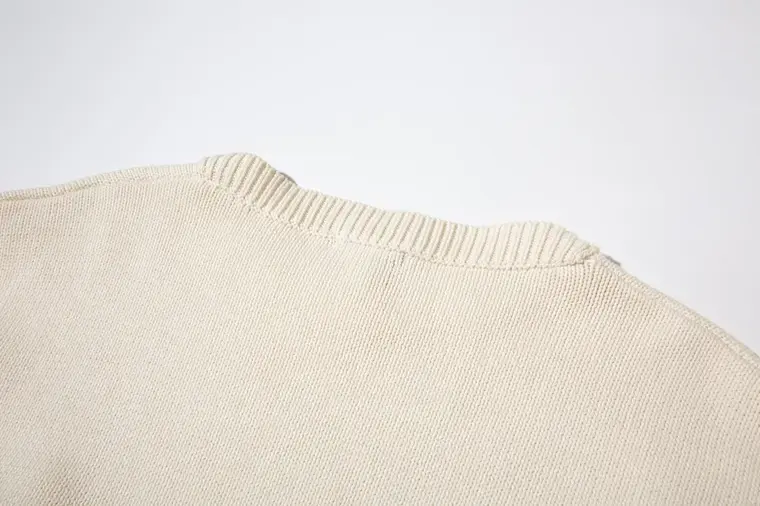
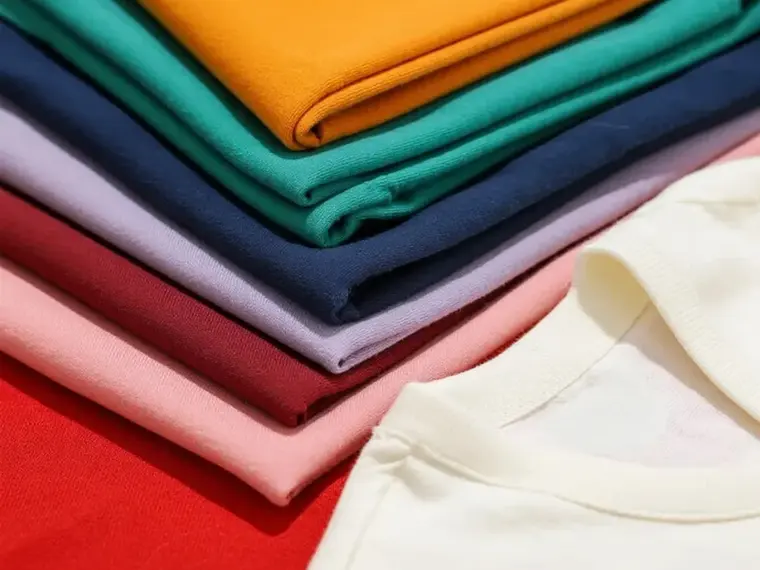
Use these brand merchandise T-shirt specifications to repeat an approved blank and decide when a new graphic, fabric lot or size needs another approval.
Last updated: November 26, 2026
The specification is a record of what the buyer wants to repeat, what can change between drops, and which sample or proof can show that the change works.
Brand Merchandise T Shirt Specifications: What to Fix First
Fix the fabric construction and weight, fit block, size range, labels and packing. Record the artwork and print placement separately so a graphic change can follow a print approval process while the approved blank stays in use. A material, fit or care-label change can reopen the garment approval.
Keep the latest approved blank and each artwork revision under distinct references. The purchase order can then identify both, even when last season’s garment carried another print.
Why does a merch tee need a spec at all?
Each reorder needs a way to catch a different yarn, finish, body length or neck opening. The retained blank and measurement chart give the buyer something to check against when a current run comes from a new lot.
A photograph alone cannot confirm the yarn or measurements. Compare the retained garments and measure both against the same chart.
A spec is the document that makes the blank a product rather than a purchase.
Which fabric should be the house standard?
Choose one fabric and one weight as the house standard, and treat any deviation as a new product. The standard should be specified by construction as well as by weight: single jersey or interlock, ring-spun or open-end, tubular or side-seamed.
Fabric weight is useful alongside the yarn and construction. For example, two jerseys specified at 180 GSM can use different spinning systems and finishes. Agree how the supplier will assess hand-feel, print and shrinkage on comparable samples before selecting a blank.
Ask the supplier to confirm stock shades and availability. For a custom dye, keep the approved colour reference and ask how the next lot will be matched. Confirm whether orders from old and new lots may be displayed or packed together.
Record the fit as well. If the tee needs to fit over another layer, test the intended base garment during fitting. Use the approved measurement chart to keep the shoulder, length and other fit points consistent on later runs.

How many print versions can one spec carry?
One blank can support several artwork versions within an agreed print area. For a new file, approve the print appearance. A changed size, location or placement rule can also need a physical proof on the relevant garment size.
Write the placement as coordinates and a maximum print area, and give the printer a rule for scaling artwork into it. Then keep a printed reference for each version, with the date and the order number, because the file on a shared drive is not a version history.
Confirm colour count and ink or print method on every revised file. Designs with the same placement can carry different setup or per-piece charges, so ask the printer to quote each approved version.
What changes between size runs?
The size curve is the part buyers change most and regret most. Adding a size at the top of the range usually requires a grade that the block was not built for, and a merch tee graded from a fashion block can end up long and narrow at the largest size.
Decide the range once, with the block, and treat an added size as a development change rather than a line item. The difference shows in the shoulder and the body length, which are the two measurements a customer notices first.
Quantities are the variable, not the sizes. A drop that orders heavily in medium and lightly in extra large tells the next drop what to expect, and the size curve can be adjusted without touching the garment.
Reusing an approved blank may save a garment sample round. Confirm the material booking separately, because a run from a new fabric lot still needs its own checks.
How do we keep the reorder identical?
Three artefacts do the work: an approved sample held at the factory, a measurement chart with tolerances, and a trim card that names the labels and the pack. Add a retained print from the last run, so the next printer can match the ink rather than guess at it.
Check the current run against the approved references, as well as the previous invoice. Re-measure the blank against the chart and compare the print and trims against the signed samples before accepting a change.
Which changes need a new approval before a reorder?
Horssle Knit’s published logo tee process reviews fit, fabric and decoration on the sample and keeps the approved sample, fabric reference and packing specification for future orders. For screen print, our artwork and strike-off guide describes checking the printed proof on the garment colour. Use those records to assign the next check to the part of the order that changed.
| Change | Evidence before release | Keep with the order |
|---|---|---|
| Quantity by existing size only | Confirm the same style revision, fabric availability, labels and packout. | Current SKU quantities and confirmed ship date. |
| New graphic or ink on the approved blank | Review the placement and a print proof on the intended base colour. For multicolour work, inspect registration where inks meet. | Artwork revision, approval and retained print. |
| New lot, weight, finish or added size | Compare the lot with the retained swatch. If the material specification or fit changes, reopen the affected garment checks before bulk. | New lot and the garment, colour or measurement approval it needed. |
| Revised label or carton | Match composition and care to the garment. Scan or check any changed barcode against the correct SKU before packing. | Approved label proof and packing revision. |
Ask who can release each item and put an approval date next to it. When a different decoration process is proposed, use the print method comparison to plan the trial. For example, Avient’s plastisol curing guidance describes keeping an unwashed print for comparison during wash evaluation. Keep the agreed wash conditions with the approved print so the next run can be judged against the same reference.
For example, a new chest logo on a proven blank can leave the measurement approval in place. If that same order includes a new fabric colour, review the print on that colour before carrying the previous ink approval over. Name both changes on the order so neither is missed.
When artwork scales by size, record which sizes share the same print dimensions and which use another file. A proof on the smallest garment in a group can reveal a placement conflict near the neck or side seam. Record the garment size used for each signed proof.
The spec sheet, field by field
Separate the fields into fixed and variable, and mark them on the sheet so nobody argues about which is which.
| Field | Fixed | Variable |
|---|---|---|
| Fabric and weight | Construction, yarn, GSM | Nothing |
| Fit and block | Measurements and tolerances | Nothing |
| Size curve | Sizes offered | Quantities per size |
| Placement and maximum area | Artwork and colour count | |
| Label and pack | Label type and position | Drop-specific tags |
| Colour | Shade reference | Stock or dyed lot |
Use the fixed column as the baseline. For the variable fields, mark whether a change needs a document update, a print proof or a garment sample.
What breaks on a reorder?
A mill may change a yarn source or a finish between orders. Confirm the fabric construction, lot and finish, then compare the new material against the retained sample. Matching fabric weight alone does not settle the appearance or shrinkage of the new lot.
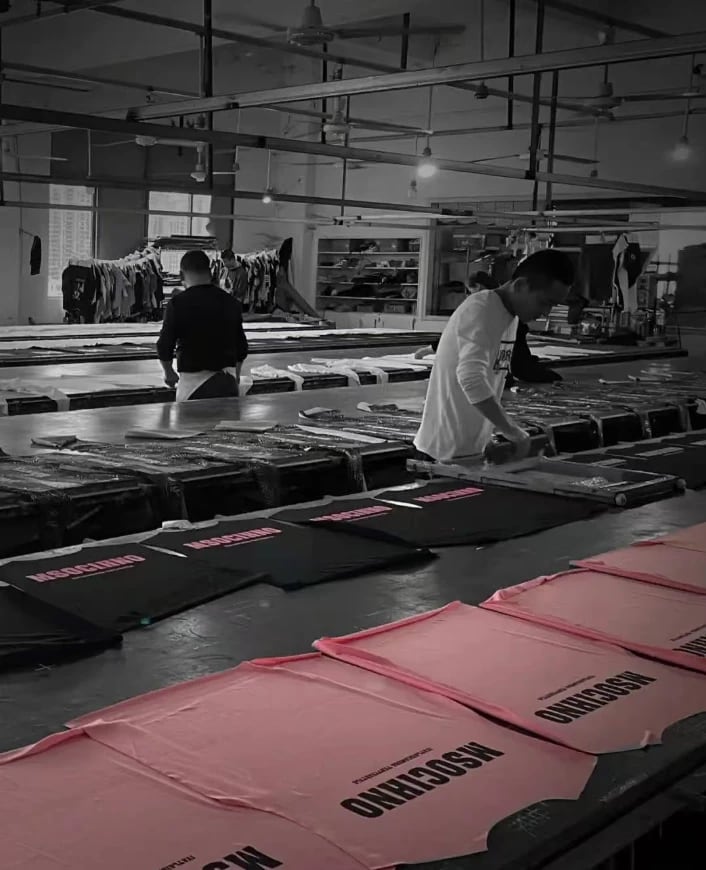
Check the print as well. Screens can wear and ink lots can vary. A change of ink supplier can shift a colour, so compare the new print against the retained reference. Record the approved ink reference and batch where the supplier makes it available.
Before releasing labels, confirm that the printed fibre content and care instructions match the garment being made. EU Regulation 1007/2011 covers textile fibre names and fibre composition labelling. Check care requirements separately for the market where the tee will be sold.
Building the programme
Start with a blank and print method you can source again. For a new colourway, confirm the fabric and make a proof on the actual shade before adding it to the approved range. Check each change’s effect on the rest of the specification before you release the order.
Write those artefacts into a handover note, so the person running the fourth drop does not have to reconstruct the first three from an email chain.
Horssle Knit’s published logo tee programme lists 300 pieces per style as a starting minimum, subject to the fabric, colour count and decoration. Confirm current availability and quote a schedule that names the approvals needed for the actual reorder.
Keep the cotton tee specification and the oversized block as separate documents if the range uses both. A merch programme with two blocks is two programmes, and each needs its own approved sample and chart.
FAQ
How many print versions can one blank support?
One approved blank can support different graphics within its placement and print area limits. Record each one as a separate print revision and approve the proof for the garment colour and artwork being ordered.
Should a merch tee use a stock colour or a brand colour?
Choose a stock colour if the shade and availability work. A custom colour needs its own approved reference and a plan for matching later lots. Ask for a current fabric sample if exact continuity matters.
Do we need a new sample for every drop?
An unchanged blank can usually reuse the approved garment sample. Approve a fresh proof if the print changes, and review the garment sample if fabric, fit or another part of the blank has changed.
How do we prove a reorder matches?
Measure against the original chart, compare against the retained sample and the retained print, and record the result. A visual comparison between two garments is not a check anyone can repeat.
Sources: OEKO-TEX Standard 100, EU Regulation 1007/2011 on textile fibre names, US CBP informed compliance publications, Intertek for test methods, and Higg for facility indexing.
Send us your merch reorder details. Include the previous style reference, latest artwork, quantities by size and any change to fabric, labels or packing.
Working on a knitwear project?
Let’s talk yarn, gauge and timing.
Send a reference or tech pack and we will come back with a practical development route.