Use the location, spread and recurrence of the pills to decide whether to monitor your cashmere sweater, contact the seller or hold a production sample for review. In a Reddit discussion, a wearer described heavy pilling by the second wear and needing to remove it whenever they took the sweater out. Early pilling can occur on cashmere. Its timing alone cannot identify the yarn grade or establish a defect. The pattern and the condition of the fabric underneath give you more to work with.
Last updated: November 28, 2026
Is early pilling normal on a cashmere sweater?
Before removing anything, lay the sweater flat in indirect light. Photograph the affected area and a less-worn area of the same sweater. Record where it rubs in normal use and whether the sweater has been washed. This gives you a reference if the seller asks for details or you want to compare what happens after another wear.
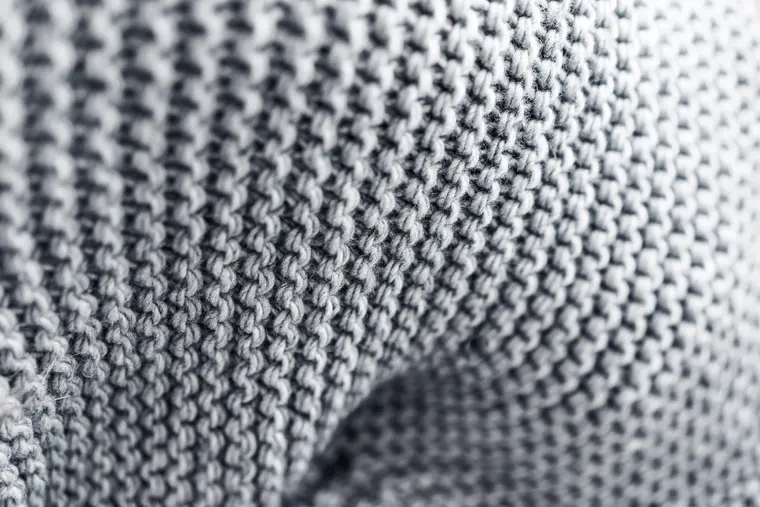
Read the wear pattern before treating it
Woolmark’s sweater care guide explains that rubbing promotes pills and identifies the underarms, elbows and areas where the sleeves touch the body as frequent sites. A bag strap, chair arm or coat lining can create another localized wear zone. A pattern that follows those contact points gives you a plausible explanation to check.
| What you see | What to check | What to do next |
|---|---|---|
| Small pills under the arms or along both sides | Whether sleeve-to-body contact matches the pattern | Document the starting condition and monitor the same places |
| A cluster on one shoulder or elbow | Bag strap, desk, chair or outer-layer contact on that side | Change the source of rubbing if practical and compare the next wear |
| Dense pills across the front and back, including low-contact areas | Whether pills re-form quickly after light removal and whether the surface is thinning | Take photos before another treatment and ask the seller or supplier to review |
| Loose loops, a snag, thinning or a hole | The underlying knit, especially near seams or edges | Stop removing fibers and get the garment assessed |
Some sweaters have an intentional fuzzy finish. Look for distinct, attached balls rather than treating every raised fiber as a pill. Inspect the knit beneath the balls before you reach for a tool. The issue is different if the fabric is opening or an individual loop has been pulled.
What testing can tell you about the sweater
ISO 12945-2:2020 describes a modified Martindale method for assessing a fabric’s propensity to pill, fuzz or mat. A result applies to the material and test conditions represented in the report. It does not translate directly into a set number of wears. If a supplier shares a report, ask which yarn, stitch, finish and sample the laboratory tested.
Fiber identity is a separate question. The 2024 edition of the US Code of Federal Regulations, 16 CFR § 300.19 sets conditions for using the term cashmere in the required fiber-content label, including an average fiber diameter no greater than 19 microns. That figure is a labeling criterion, not a pilling performance target. A photo and a ply label cannot establish the fiber diameter or how the finished knit will wear. If a label claim itself is in question, ask for its supporting composition evidence separately from a surface test.
How we compare cashmere samples before bulk
In our custom cashmere sweater program, we use a physical swatch to confirm the yarn, stitch, density and finish. That record makes it possible to identify what changed when a second sample feels or behaves differently. Our cashmere development checklist also places agreement on pilling assessment in development, while the yarn and construction can still be adjusted.
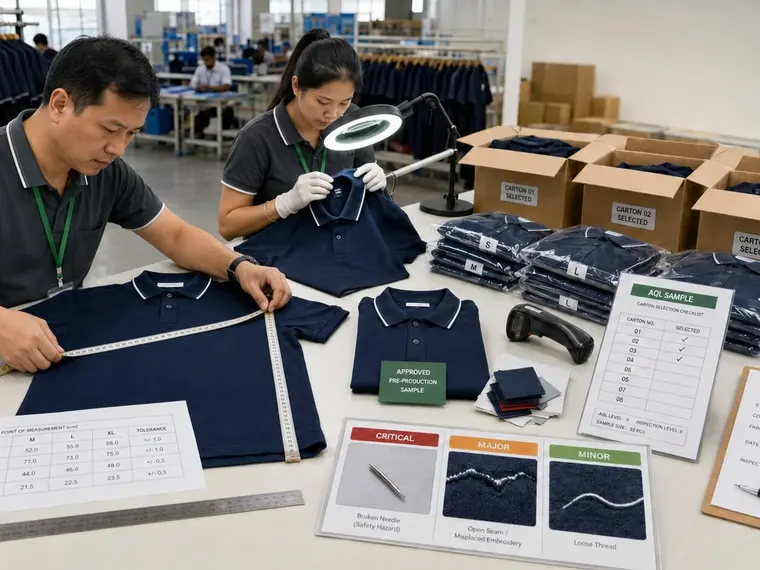
For a buyer comparing two candidates, start with the same style, care instructions and wear conditions. Keep a named, untouched reference and record the surface on the elbows, sides and a lower-contact area before and after the agreed check. If one sample changes substantially, ask the supplier which part of the specification changed. Request a comparable lab result if your purchase depends on an agreed surface performance, and use the knitwear pilling test requirements to identify the method and specimen. This is a comparison workflow. It does not represent a reported lifespan for any Horssle sweater.
Common concerns about early pilling
Should I remove the pills before asking the retailer?
Take pictures first and keep the care label. If you’re considering a return, check the retailer’s handling and return requirements before washing or shaving the garment. For sparse pills on sound fabric, Woolmark describes gentle hand removal or careful use of a comb. Stop if you catch a loop or expose a thin patch.
Does two-ply cashmere solve the problem?
Ply describes yarn construction. The finished yarn, knit density, finish and conditions of wear also affect how the surface behaves. Compare actual finished swatches under the same conditions before choosing a yarn simply because the label lists a particular ply.
Can I compare my sweater against a different brand’s sweater?
You can compare how they look and feel under similar use, but note differences in stitch, finish, garment fit and friction. A looser sleeve can contact the body differently, and a bag strap can change the location of wear. For a purchase decision, compare evidence about the specific sweater and the seller’s return terms.
Specify the surface you want to approve
If you’re developing a range, send the current sample or clear photos of both the affected and lower-contact areas, together with the fiber claim, approved yarn reference and care instructions. Send your cashmere sample brief for review.
Working on a knitwear project?
Let’s talk yarn, gauge and timing.
Send a reference or tech pack and we will come back with a practical development route.