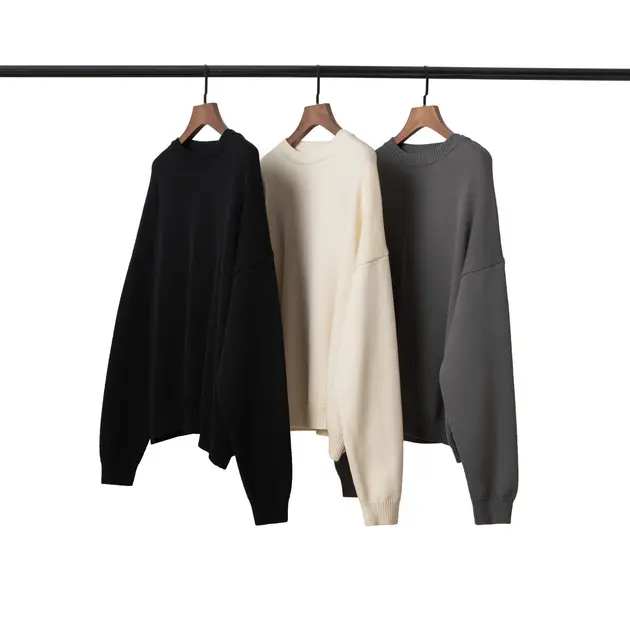
Pay for another clothing sample only after both sides can identify what failed, agree what will change, and define what the corrected piece needs to prove. A buyer on Reddit was unhappy with five pieces from a supplier and asked what to do next after paying for the samples. The post did not establish which specification failed or why. Hold any bulk approval and sort the problems by evidence before deciding whether a focused correction is worth another fee.
Last updated: November 28, 2026
When does another paid sample make sense?
Identify the best evidence for a second round
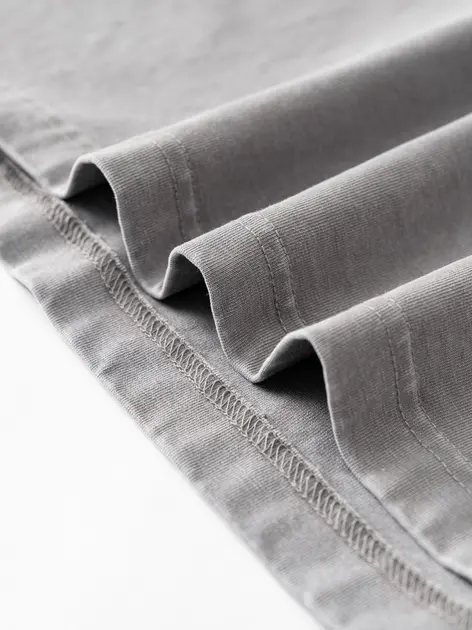
Write down one requirement which was unambiguous when the supplier accepted the work. Put that brief next to the submitted sample and show the point of difference. For example, the material code on an approved reference may disagree with the cloth used on the sample. Record what you know and what you are asking the supplier to confirm. If the brief was open about the material or measurements, part of the task is to settle the requirement before asking the next factory to quote.
Look for a pattern across the pieces. Several samples can all look bad for one shared reason, such as using a substitute fabric in several styles. They can also have independent problems. Do not spend another round asking for an improved impression. Ask the supplier which issue it would fix first, what change it would make, and how it would isolate that variable. A technical answer that can be tested is more useful than a promise to do better.
Buy one defined correction if the evidence supports it
If a correction is plausible, start with one representative style or one concrete test piece. Confirm the sample price, what the fee covers, the corrected file or material reference, how many pieces will be sent, and how you will review it. Ask if the supplier can provide an intermediate swatch, measurement or image before incurring the cost of a whole garment. Keep related styles and bulk work on hold until you see what the corrected sample shows.
URBN’s apparel technical manual distinguishes ways to start development and steps for sampling before adoption. J.Crew’s factory quality management guide describes a buyer’s documented vendor quality process, while its fabric quality guidelines give a separate example of checking fabric against an approved reference. These processes illustrate keeping the accepted specification available. They do not settle whether you or the supplier owes money for a rework under your agreement.
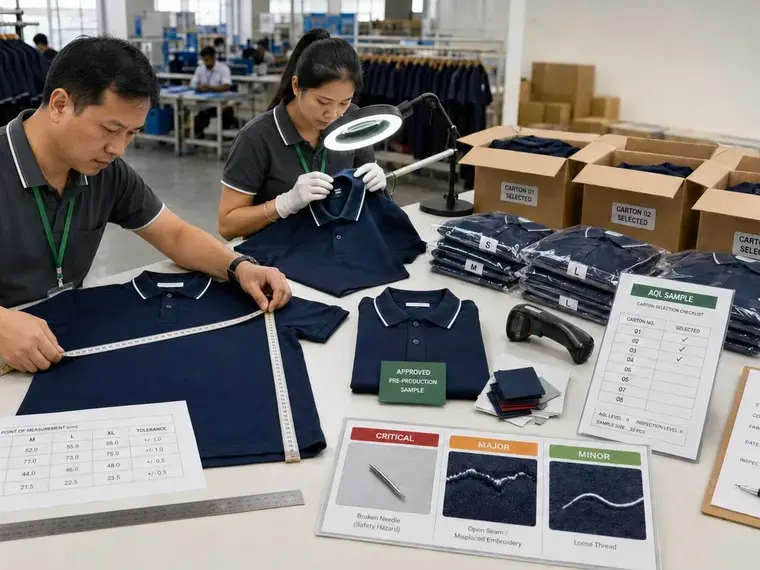
How we keep sample approval separate from bulk
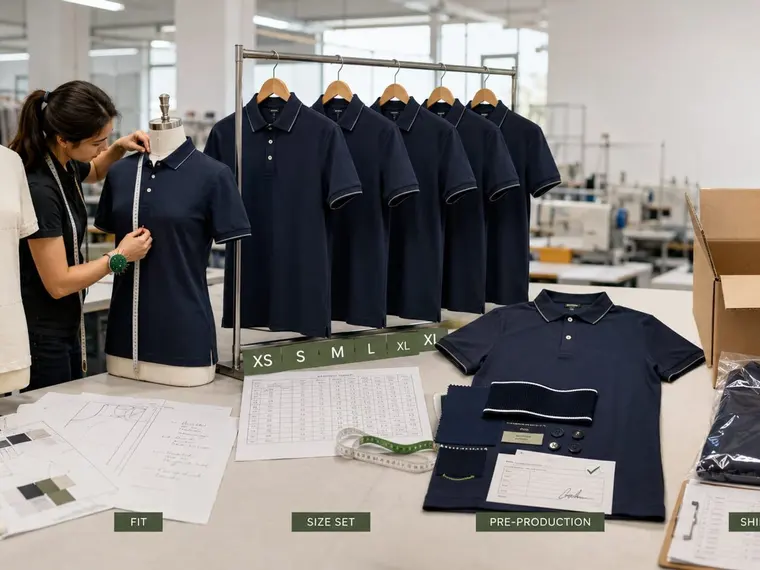
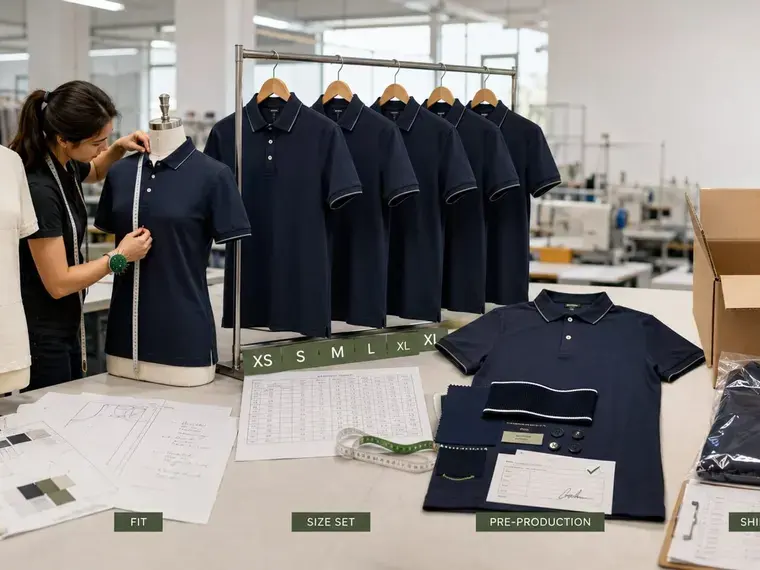
Our development services show how the brief, material decisions, fit sample and pre-production approval fit together. Our T-shirt development program gives a product example where construction and trim are locked at the pre-production stage. If your original sample missed an agreed priority, set a small acceptance decision before agreeing to develop the rest of the order.
The apparel supplier sample scorecard can help compare several suppliers. For the specific decision to spend again, give more weight to the correction that can be demonstrated. A supplier proposing a revised sample from the exact approved reference has offered something you can check. If the supplier cannot say which requirement the existing sample used, resolve that first.
Before the supplier starts, ask for one written note that states when the correction will be assessed. For a material mismatch, the first checkpoint might be the approved material reference and an actual swatch. For a measurement issue, it might be two views of the physical sample with the starting and ending points visible. Include any effect the correction might have on another accepted detail. If the correction fails to meet the agreed approval point, review the evidence before authorizing another paid round.
If you compare a replacement supplier, give both teams the same unresolved requirement, reference material and deliverable. Avoid asking one to reproduce the complete range while the other only quotes to show a corrected construction. The comparison should tell you whether the original problem can be solved at a defined cost.
Reasons to hold the next payment
The supplier will retry only if you commit to bulk
Ask for a separate quote and a clearly recorded right to approve the sample before bulk, consistent with the order terms. A corrected physical reference should come first when you cannot yet show that the style meets its brief.
There is no agreed specification to compare
Create a short reference with material, construction or measurement priorities before buying another full round. Give it to the current supplier and to any alternative you want to compare. Both quotes should cover the same test.
The same approved requirement failed again
Ask whether another method or capability is available and how it will be demonstrated. If the supplier cannot offer an observable change, stop the repeat loop and preserve the brief for other suppliers. If the issue concerns payment or ownership, handle it using the actual terms and documentation rather than assuming a refund.
Bring the brief and the failed sample together
Share the accepted requirement, marked photographs and the single result you need before you authorize more development. Send your sample correction brief.
Working on a knitwear project?
Let’s talk yarn, gauge and timing.
Send a reference or tech pack and we will come back with a practical development route.