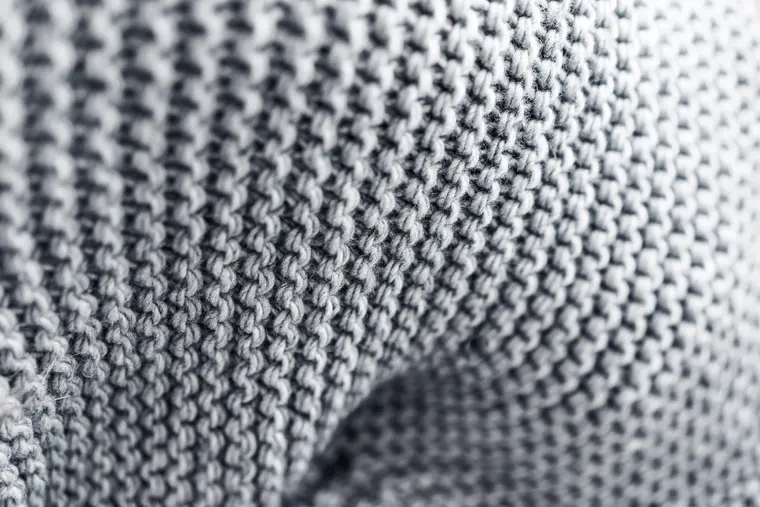
The fit sample was approved in March. The PP sample arrived in May, looked the same on a hanger, and measured 1.5 cm wider at the chest. Nobody had changed the spec. What had changed was the yarn lot, and the PP sample was the first garment made from the production yarn rather than the sample-room cone.
That is the distinction that matters: a fit sample answers “does this garment work”, a PP sample answers “can the factory reproduce it with what it has actually bought”. Both are called “the sample” in most email threads, which is why the difference gets lost.
What each sample is for
| Sample | Question it answers | Made from | Who signs |
|---|---|---|---|
| Proto / first sample | Is the idea buildable at this gauge? | Whatever yarn is closest in the sample room | Design |
| Fit sample | Does it fit and measure correctly? | Sample yarn; often not the production lot | Design and technical |
| Size set | Does the grading hold across sizes? | Production or near-production yarn | Technical |
| PP sample | Can production reproduce the approved garment? | Production yarn, trims, labels, finishing | Brand, then sealed |
| Photo / salesman sample | Is the colour and presentation right for market? | Production or near-production | Marketing |
The PP sample is the last cheap moment to catch a problem. After it is sealed, everything that follows is bulk.
Why the PP sample can differ from the fit sample
Four reasons, all normal, all capable of moving a measurement.
- Yarn lot. A different lot, even from the same mill, can knit to a slightly different density. Fine-gauge knits show this most.
- Machine. The sample room may use a different machine or a different needle set from the bulk line.
- Finishing. Bulk goes through the production wash and press; the sample may have been finished by hand.
- Trims. The PP sample carries the actual labels, the actual zip, the actual buttons. Weight and drape change.
None of these is a defect. What turns them into a problem is approving the PP sample without measuring it against the same spec and the same state as the fit sample.
The measurement state trap
Most PP disputes are not about the garment, they are about the state it was measured in. A chest measured flat and relaxed is a different number from a chest measured after a wash, and a different number again from a chest measured on a hanger for a day.
| State | What it tells you | When to use it |
|---|---|---|
| Flat, relaxed, unwashed | Whether the panel knitted to spec | Fit sample review |
| Flat, relaxed, after one wash | Whether the garment survives the care label | PP review, always |
| On the body / hanging | How it will present in retail | Photo and fit comments, not measurement |
Write the state into the measurement sheet and repeat it on every comment. Our notes on the sweater tech pack cover where that line belongs in the pack.
What to check on a PP sample, in order
- Measure it washed and unwashed. Compare both against the spec; the washed number is the one the customer will experience.
- Check the yarn and trims against the approved list. A substituted button or a different care label is a PP failure even if the garment looks right.
- Check colour against the approved lab dip, under daylight as well as shop light.
- Check the labels are the final artwork, in the right position, with the right language.
- Wear it. Ten minutes on a body catches armhole and shoulder issues that a table cannot.
- Seal it. Sign, date, photograph, and keep one sealed sample at the factory and one with you.
Sealing is a process, not a signature
A sealed sample is the physical reference for bulk. If the seal is just a signature on a form, it proves nothing. The useful version has: the sample itself, tagged with style number and PP date; a photo set; the measurement sheet in the state measured; the approved trim and label list; and a note of any accepted deviation.
When bulk arrives and something looks different, the sealed sample is the only evidence that settles it. Our overview of knitwear sample types shows where the PP sits in the sequence, and the services page describes the approval gates we run around it.
Common failures and what they cost
| Failure | When it surfaces | Cost |
|---|---|---|
| PP approved without washing | After the first customer wash | Returns and a possible rework of remaining stock |
| Trim substitution | At retail or at inspection | Re-labelling or rejection of the lot |
| Colour approved on screen | At bulk comparison | Shade claim, discount, or remake |
| No sealed sample | At any later dispute | No evidence; usually the brand absorbs it |
| Measurement state omitted | At PP review | An extra sample round, one to three weeks |
Who pays for the PP sample
Most factories charge for sample rounds and credit part of the cost against the bulk order. The PP sample is usually charged the same way as the fit sample, and it is worth asking two questions: whether the PP is included in the sample fee already paid, and whether the credit applies if the style is dropped after PP approval. The answers belong in the order confirmation, not in an email thread three months later.
FAQ
Can the fit sample be used as the PP sample?
Only if it was made from the production yarn, trims and finishing. In practice that is rare, and treating a fit sample as the PP reference is how bulk drifts.
How long should a PP sample take?
Usually one to two weeks after the production yarn and trims are in, depending on the finishing route. It should always be scheduled before the bulk start date, not after.
Do we need a PP sample for a reorder?
Not always a full one, but you need a retained sealed sample and the same yarn reference. A reorder made against a different lot without a check is a fit risk.
Who keeps the sealed sample?
Both sides. The factory keeps one for production reference, the brand keeps one for claims. If only one exists, the party holding it controls the argument.
Sources: ISO 8559-1 (size designation) and ISO 6330 (washing procedures).
If you are about to approve a PP sample, send the measurements in both states. We will tell you whether the difference is inside tolerance or whether it needs a conversation before bulk starts.
Working on a knitwear project?
Let’s talk yarn, gauge and timing.
Send a reference or tech pack and we will come back with a practical development route.