At three hundred pieces per style, a streetwear hoodie is a reference image plus a specification, and the gap between those two is where most of the cost and nearly all of the disappointment sit.
The image shows a shape, a colour and a mood. The factory needs a shoulder drop, a fabric weight, a hood depth, a pocket measurement and an artwork size. Translating one into the other is the brief, and a brief written in adjectives produces a quotation that cannot be compared with the next one.
Streetwear hoodie tech brief: the short answer
A streetwear hoodie brief converts a reference image into numbers: shoulder drop, body width, length, fabric weight, hood depth, pocket size and artwork scale. Add the finish and the decoration method, and the quotation becomes comparable. Leave them as adjectives and every factory quotes a different garment.
The sections below take the reference apart in the order a pattern room needs it, then show where each decision lands in the cost.
The image is not a specification
A photograph flatters a garment. It is shot on a model with clips and pins, in a light that hides the surface, and often in a size that is not the middle of the range. Two hoodies that look identical on a screen can differ by a shoulder drop, a fabric weight and a hood construction, and those three differences are the garment.
Use the image for proportion and mood, then measure a physical reference if one exists. A garment the brand already owns is worth more than a mood board, because it can be measured on a table rather than estimated from a picture.
Reference images also carry a hidden assumption about the size shown. A hoodie photographed on a tall model in a small size is a different proportion from the same style on an average model in a large. Ask which size the reference approximates, and cut the block to that proportion rather than to the photograph.
Silhouette: the four numbers that define the block
Shoulder drop, chest width, body length and sleeve length define the silhouette. Change one and the others should follow, which is why a streetwear block is developed rather than borrowed. A dropped shoulder with a standard length reads as a boxy cropped hoodie; the same drop with an extended length reads as a skate silhouette.
Write the four numbers into the brief with a tolerance, and state which one is the design anchor. When a sample comes back and the buyer wants a change, the anchor tells the pattern room what must not move.
| Reference detail | What the brief must state | Why it changes cost |
|---|---|---|
| Shoulder drop | Distance from shoulder point to seam, in centimetres | Changes the sleeve draft and the panel width, so the marker changes |
| Fabric weight | Grams per square metre and the structure, fleece or terry | Yarn cost per garment is the largest single line |
| Hood | Double or single layer, depth, opening width, drawcord type | A second layer and a lining add fabric and sewing time |
| Mouth width, bag depth, bar-tack positions | Extra operations and a separate pattern piece | |
| Artwork | Scale, placement, application method | A large print or a dense embroidery adds a production step |
| Finish | Piece dye or garment dye, wash, any distressing | Garment dye adds a wet process and a second handling stage |
The third column is why the brief has to be specific. Two hoodies quoted at very different prices are often quoting different rows of this table, and the comparison is meaningless until both are described.
Fabric: weight, structure and the hand
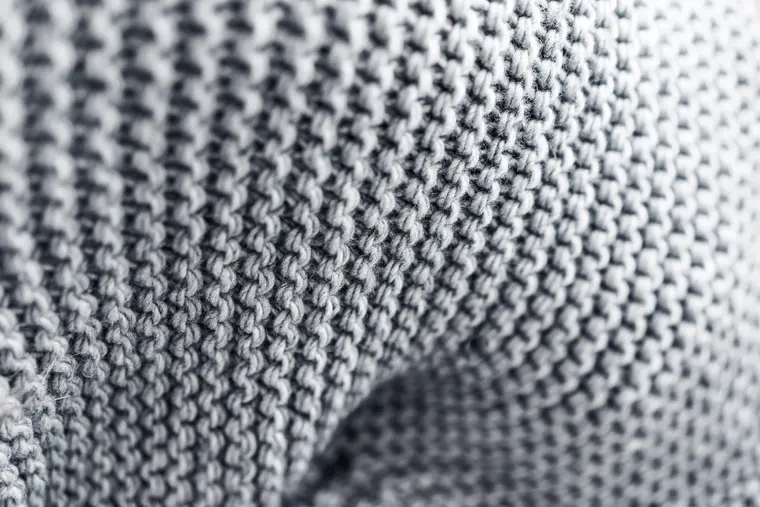
A streetwear hoodie is usually a brushed-back fleece, and the weight sits somewhere above the mid range. The number matters less than the combination of weight, yarn and brushing, because a heavier fabric with a flat back can feel thinner than a lighter one with a dense brush.
Ask for the fabric in grams per square metre and the structure in words, then ask for a swatch. The swatch is the only way to judge the hand, and a heavyweight sweatshirt reference and a mid-weight one can be described with the same adjectives.
Ask how the back is finished as well. A brushed back, a loop back and a bonded fleece behave differently at the needle and in the wash: a brushed surface hides stitch detail and softens with wear, while a loop back stays crisper and takes a print more consistently. The name of the fabric does not tell you which one you are buying.
Hood, pocket and the details that read as quality
The hood is where a streetwear garment is judged at arm’s length. A double-layer hood holds its shape when it is up and sits flat when it is down; a single layer collapses. The opening width decides whether the hood frames the face or swallows it, and the drawcord type decides whether it reads as a considered detail or a generic one.
The pocket is the second. A kangaroo pocket needs bar-tacks at the mouth ends, a bag depth that does not pull the front panel out of line and a position that stays square to the centre front across the size run. A pocket that shifts with the grade is visible immediately, because the eye uses it to judge the garment’s symmetry.
Drawcord ends are a small line with an outsized effect. A metal tip on a flat cord reads as a considered detail, a knotted cord reads as unfinished, and a plastic tip reads as neither. Specify the tip and the cord length, because both are visible at arm’s length and neither is expensive.
The cost build-up on a streetwear hoodie
Five lines carry most of the cost. Fabric, which rises with weight and with the fleece structure. Dyeing, which doubles when the garment is dyed rather than the fabric. Decoration, which is priced on area, colour count and stitch count. Washing or distressing, which is a wet process with its own handling. And trims, where the drawcord ends, eyelets and zip hardware are small items with real cost and real lead time.
A brief that names all five can be quoted line by line, and a line-by-line quotation is the only way to see which decision is driving the price. It is also the only way to trade one line for another when the budget moves, instead of dropping the fabric weight and hoping.
Decoration and finish
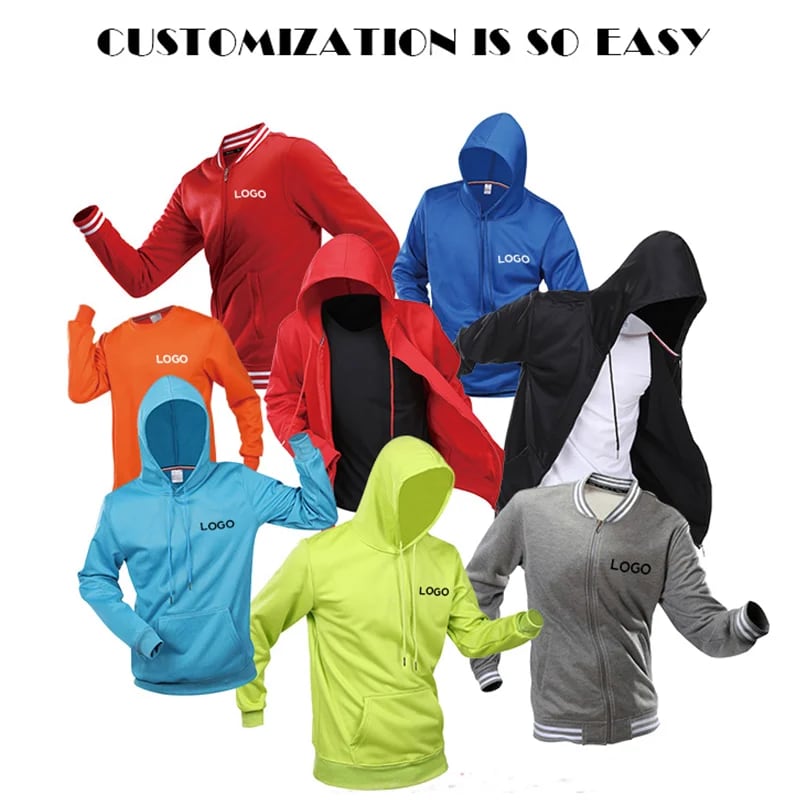
A streetwear print is usually large and often placed to break a seam or a panel line. That is a design decision with a production consequence: a print that crosses the pocket mouth or the side seam has to be applied after construction, which changes the operation and the handling.
Name the method as well as the size. A screen print, a puff print, a heat transfer and an embroidery each have a different minimum, a different hand and a different failure mode in the wash. A brief that says “large logo on the back” will be interpreted as the least expensive method that fits.
Placement is a cost line as well as a design line. A centre chest print on a small area is cheap to place and cheap to cure, while an oversized back print that crosses the yoke costs more in ink and handling. Decide the scale from the reference, then check it against the panel width the block actually provides.
Writing the brief so a factory can quote
Put the numbers on one page: the four silhouette measurements, the fabric weight and structure, the hood specification, the pocket specification, the rib, the artwork scale and placement, the finish and the trims. Add the size range and the quantity, and state which measurements are fixed and which are open. Add a line for what the brand supplies as well: the labels, the hangtags and any packaging. A brief that omits them gets a quotation that excludes them, and the difference appears at the invoice rather than in the comparison.
Then send a physical reference if one exists. A custom oversized hoodie program that starts from a measured garment rather than an image saves a sample round, because the pattern room is adjusting numbers rather than guessing at them.
FAQ
Can a factory work from a photo alone?
It can produce a garment, but not necessarily the one in the photo. A photo gives proportion and mood; the drop, the weight and the hood construction have to be written down or measured from a physical reference.
Does a heavier fabric always look more premium?
Not on its own. A heavy fleece with a flat back can read cheaper than a mid-weight fabric with a dense brush. Weight, yarn and finishing work together, which is why a swatch matters more than a number.
What drives the price most on a streetwear hoodie?
Fabric weight and dyeing method, followed by decoration area and any wet finish. Those four lines explain most of the difference between two quotations for a similar looking garment.
Should the print go on before or after sewing?
Before, unless it crosses a seam or a pocket. A print that spans a construction has to be applied on the finished garment, which changes the operation and usually the cost.
Sources: OEKO-TEX Standard 100, EU Regulation 1007/2011, Intertek, Higg, US CBP and The Woolmark Company.
Working on a knitwear project?
Let’s talk yarn, gauge and timing.
Send a reference or tech pack and we will come back with a practical development route.