
Three factories, one 300-piece polo order, three quotes. By the time the replies arrive, the only thing they have in common is the number of zeros. One price includes the embroidery, one excludes it; one quotes 180 GSM pique, one quotes 220 GSM; one assumes a single colour, one assumes three. Comparing them is not a pricing exercise, it is an exercise in guesswork — and the fault sits in the RFQ, not in the factories.
An RFQ is not an email asking for a price. It is a specification document with a question at the end. The better the specification, the closer the replies come to being comparable, and the faster a buyer can tell which factory is actually cheaper for the garment they intend to buy.
What an apparel RFQ has to contain
An apparel RFQ has to contain six things: style and use case, quantity by colour and size, fabric specification, decoration and label details, packaging requirements, and target dates. When any of the six is missing, each factory fills the gap with its own default, and the quotes that return describe different garments rather than different prices.
Six items sounds modest until you try to write them precisely. “300 polos, navy, embroidered logo, by June” contains four of the six and none of the precision. Which navy? Which logo size? Which polybag? A factory can quote that sentence, and three factories will quote three different garments.
Knit fabric RFQ template: the five lines buyers forget
Knitwear RFQs fail on the same five lines: yarn composition and count, finished fabric weight in GSM, the gauge the panel will be knitted on, colour standard against a physical swatch, and the shrinkage allowance the buyer expects after washing. Add them and the quote stops being an estimate.
| Line to add | What to write | Why the quote changes |
|---|---|---|
| Yarn | Fibre, count and ply, e.g. 2/28 merino | Sets the yarn cost and the knitting gauge |
| Fabric weight | Finished GSM after wash, not greige | Drives yield and hand-feel |
| Gauge | 3GG, 7GG, 12GG or 14GG | Determines minutes per panel |
| Colour | Pantone TCX plus a physical standard | Lab dip rounds and minimum dye lots |
| Shrinkage | Target % after the stated wash cycle | Changes the cutting size and the test cost |
The eight fields that decide whether quotes compare
Expand the six requirements into eight practical fields and the RFQ becomes a document a factory can price line by line.
- Style and intended use. Polo, tee, hoodie, sweater; corporate uniform, retail range, promotional give-away. Use case decides fabric weight and finish expectations.
- Quantity, split by colour and size. Total pieces is the least useful number in the email. The split is what the factory prices.
- Fabric. Fibre, yarn type, weight in GSM, knit structure, finish and colour standard. “Cotton pique” is not a specification.
- Construction. Collar type, placket length, side seams, hem finish, sleeve opening, any contrast or self-fabric detail.
- Decoration. Method, placement, size and colour count. Embroidery stitch count and print area change the unit price more than buyers expect.
- Branding and labels. Woven or printed main label, care label, size label, hangtag, barcode sticker.
- Packing. Polybag or none, size assortment, carton configuration, carton marking, retail-ready requirements.
- Dates and terms. Sample needed by, bulk needed by, delivery terms, destination port or warehouse.
A copyable RFQ template
| Field | What to write | Why it changes the quote |
|---|---|---|
| Style | Garment type, use case, reference photo or tech pack version | Sets the construction route and the sample type |
| Quantity | Total, then colour × size matrix | Determines cut yield, dye lots and per-SKU minimums |
| Fabric | Fibre %, yarn, GSM, structure, finish, colour standard | Fabric is usually the largest single cost line |
| Construction | Collar, placket, seams, hems, trims | Drives sewing time per unit |
| Decoration | Method, size, placement, colours, stitch count | Adds fixed setup plus per-piece time |
| Labels | Type, material, placement, artwork files | Small cost, high compliance risk if wrong |
| Packing | Bag, assortment, carton, marks | Affects labour and freight volume |
| Dates and terms | Sample date, bulk date, Incoterm, destination | Sets the production slot and the freight basis |
Fill the table once, reuse it for every factory, and keep the version date in the file name. When a quote comes back that looks unusually low, the first check is whether the factory quoted the same version.
Describe the fabric so the factory quotes the same cloth
Fabric is where most quote differences hide. “Cotton pique” can be 160 GSM or 240 GSM, combed or carded, mercerised or not, with a different shrinkage allowance after washing. Those are not cosmetic differences. They change the yarn cost, the knitting time, the dyeing route and the hand-feel the customer eventually touches.
Write the specification in the order a factory reads it: fibre composition, yarn type and count where known, fabric weight in GSM, knit structure, finish, colour standard, and any test requirement. If a certification matters — OEKO-TEX Standard 100 for restricted substances, for example — say so at RFQ stage, because certified yarn routes are not always available in every colour at every weight.
If you do not know the GSM, send a reference garment and ask the factory to match it rather than guess. A physical swatch removes more ambiguity than three paragraphs of adjectives, and it costs a stamp.
Quantity by colour and size is the real quantity
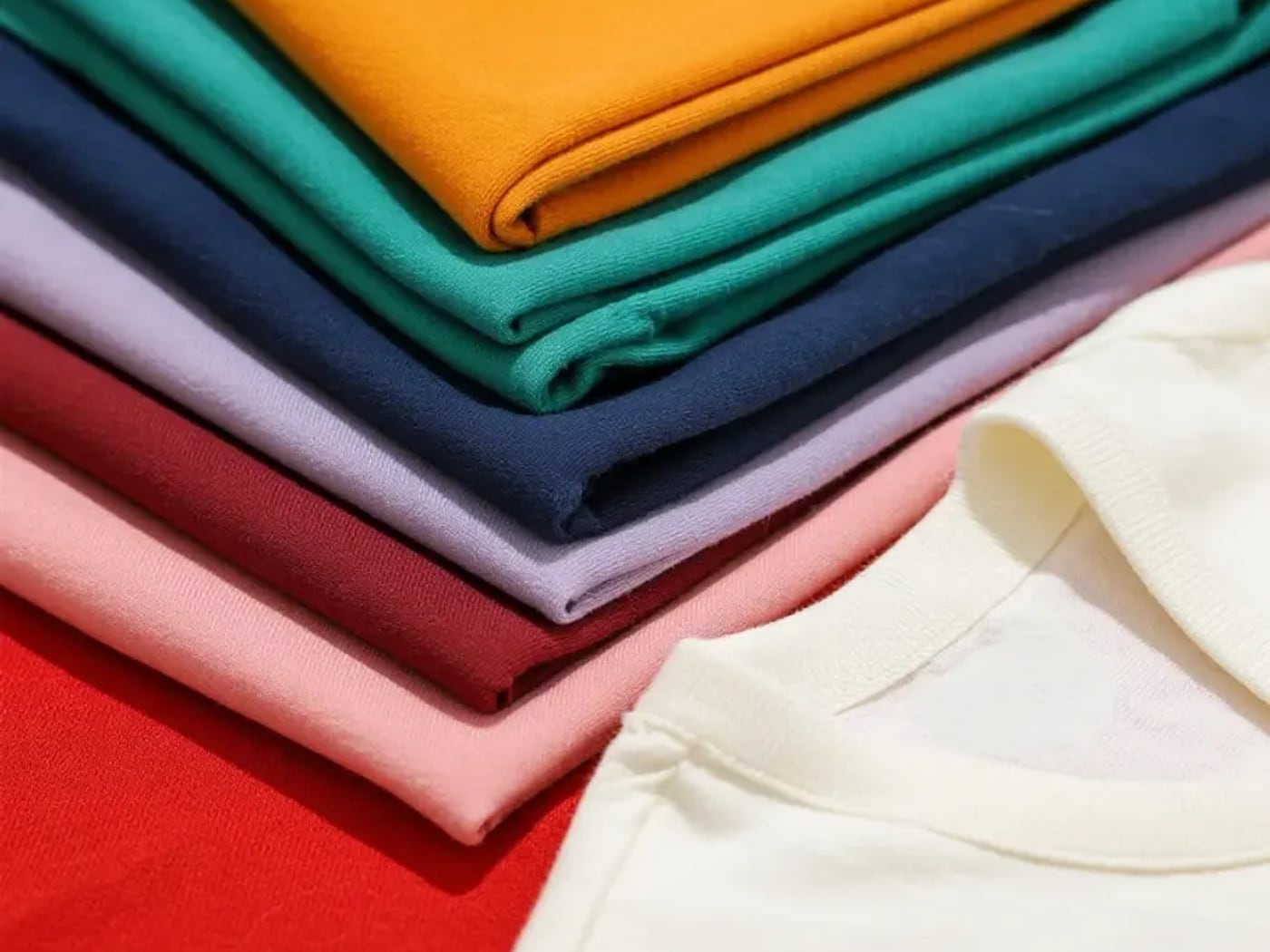
Three hundred pieces sounds like a clear order until it meets a colour and size matrix. Three colours and six sizes produce eighteen SKUs, and eighteen SKUs out of 300 pieces means an average of seventeen units each. Some will be four units, some will be forty, and the factory prices the small ones differently because the cutting and packing labour per unit is higher.
Write the matrix, not the total. If you have not fixed the split yet, give a range and mark it as provisional. A factory that knows the split is uncertain will price the setup differently, which is more honest than discovering the problem after the purchase order.
Decoration and packaging: the lines most often left out
Decoration is the classic omission. Embroidery is priced by stitch count, thread colours and placement; a left-chest logo in three colours and a full-back print are not the same conversation. Printing is priced by method, colours, area and the number of placements. Screen printing carries a setup cost that only makes sense above a certain run; digital methods remove the setup and raise the per-piece cost.
Packaging gets the same treatment. Polybag or tissue, individual or bulk, size sticker on the bag or on the garment, carton dimensions and maximum weight. If the product is going to a retailer, the packaging specification may come from the retailer rather than from the brand, and it is worth attaching it to the RFQ so the factory prices the compliance work rather than discovering it at dispatch.
What to attach, in order
Attach documents in the sequence the factory needs to read them: the tech pack first, then artwork files, then the reference garment or swatch photos, then the packing specification, then the delivery terms. Name the files so they can be identified without opening them, and state the RFQ version and the date you need the quote.
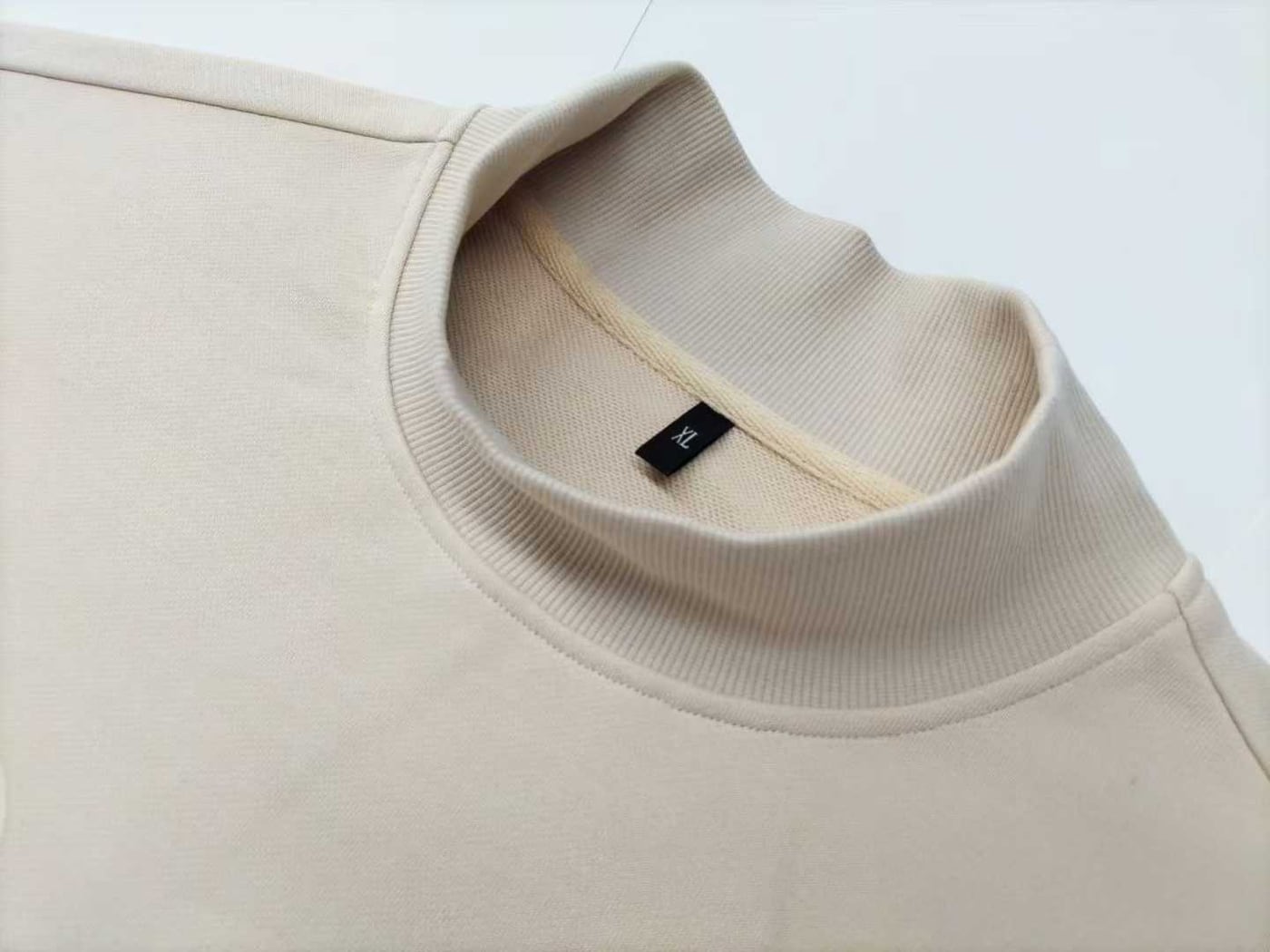
If a tech pack does not exist yet, say so and attach what you have. A reference garment plus six of the eight fields will produce a usable indicative quote; a complete tech pack will produce a firm one. The difference should be visible in the reply, and a factory that treats both as firm is telling you something about how it quotes.
Reading the reply: what a usable quote contains
A quote that can be compared has six visible parts: a unit price with the quantity basis stated, the minimum per colour and per size, the fabric specification being quoted, the sample cost and lead time, the packaging and decoration cost broken out or explicitly included, and the validity period with the delivery term. If any of those is missing, the number is not yet a quote — it is an opening position.
Two more checks are worth making. First, ask whether the price is based on the current fabric price or a booking made later; yarn and cotton prices move, and a quote that excludes material movement is not the same commitment as one that includes it. Second, ask what the price excludes: testing, certification, freight, duty, and any third-party inspection are common exclusions.
Why “we cannot quote yet” is a useful answer
The most informative reply is sometimes the one that asks a question back. A factory that says the collar construction cannot be made at the target price, or that the fabric is not available in the requested shade at that weight, is reading the RFQ. A factory that returns a number within an hour is pricing an assumption.
Treat the questions as part of the evaluation. They tell you which details the factory considers material, and they shorten the sample round later. At Horssle Knit, the first reply to an RFQ is usually a short list of confirmations rather than a price, because a quote built on the wrong assumption wastes both sides’ time.
Related reading: Budgeting Your First Apparel Order Beyond the Unit Price.
FAQ
How long should an RFQ take to answer?
A simple style with a complete tech pack can be quoted in two to three working days. A new development with fabric sourcing takes longer, because the factory has to confirm availability before it can price. Ask for an indicative date in the reply rather than chasing.
Do I need a tech pack to request a quote?
No, but the quality of the quote follows the quality of the input. A reference garment and a clear brief produce an indicative price. A measured tech pack with construction notes produces a firm quote and a sample you can hold the factory to.
Should I send the same RFQ to several factories?
Yes, provided the document is identical and the version is stated. The value of a competitive RFQ comes from comparing like with like. Send the same file, ask for the same breakdown, and note in the email that the specification is fixed.
What is the single most common RFQ mistake?
Giving a total quantity without a colour and size split. It forces the factory to assume a mix, and the assumption usually favours the factory’s cutting efficiency rather than the buyer’s sell-through.
If you would rather fill the template once and have it checked, send the brief and we will tell you which fields are still open. The services overview explains how a brief moves from RFQ to sample approval.
Reference sources: OEKO-TEX Standard 100 certification scope, Intertek textile testing methods, US CBP informed compliance on import documentation, EU Regulation 1007/2011 on fibre names and labelling, The Woolmark Company on wool fibre specification, and Better Work on factory labour compliance.
Working on a knitwear project?
Let’s talk yarn, gauge and timing.
Send a reference or tech pack and we will come back with a practical development route.

