
A polo shirt is not a T-shirt with a collar and two buttons. The collar, the placket, and the seam that joins them carry most of the garment’s visual weight, and they are also where custom polo shirt development most often goes wrong. In our sample room, the problems that reach a buyer are rarely stitching faults. They are decisions nobody wrote down before the first sample was cut.
Last updated: November 24, 2026
The wearer finds them later. A collar that stood crisp in the fit photo curls at the points after a dozen washes. The placket gapes when someone reaches across a counter. Shoulders bind when a driver turns the wheel. None of these stops a shipment, but each one turns a uniform program into a complaint and a retail style into a return. The useful way into polo development is backward: from what the wearer reports to the specification that allowed it.
Custom Polo Shirt Development Guide: Five Gates to an Approved Sample
A custom polo shirt development guide is a sequence of five approval gates: use case, fabric and collar construction, placket and trim, branding, and a wear trial. Each gate closes with a signed record — a swatch, a measurement sheet, a photo — so bulk production reproduces a decision instead of an impression.
The order matters, because each gate fixes something the next one depends on.
| Gate | What the buyer brings | What closes the gate |
|---|---|---|
| 1. Use case | Wearer’s day, climate, wash frequency, program size | Written brief with size range and quantity |
| 2. Fabric | Weight and hand-feel target, fibre content, test needs | Signed swatch card and fibre specification |
| 3. Collar and placket | Collar height, point shape, placket depth, button count | Measured photo of the sample on a collar stand |
| 4. Branding | Artwork file, placement, method, colour reference | Test panel printed or embroidered on the bulk fabric |
| 5. Wear trial | Fit comments from a size set worn on real bodies | Approved sample, sealed and signed |
Teams that treat these gates as paperwork pay twice. A collar changed after the bulk fabric is ordered usually means a second sample round, sometimes a re-cut. Nothing here is exotic; the discipline is closing each gate in writing rather than agreeing on a call.
Gate One: Name the Wearer’s Day Before the Fabric
The most useful question in a first meeting is not about colour. It is this: who wears this shirt, and what are they doing in it? A hotel front-desk polo lives indoors and is laundered by a service that never reads care labels. A club polo is worn outdoors for hours in heat, then washed at home. A retail polo is chosen by a shopper who touches the collar first.
Those wearers stress different parts of the garment. Service uniforms need a collar that returns to shape after industrial washing and a placket that survives constant buttoning. Team shirts need armhole room and a hem that stays put through a swing, which is why a custom golf polo brief reads differently from a corporate one. Retail styles can carry a softer collar, because the wearer rotates the shirt through a week rather than wearing it every shift.
Gate Two: Piqué, Single Jersey, or Performance Knit
Piqué is common because its waffled surface hides creasing, keeps a collar standing, and stays opaque without much weight. It also gives embroidery a textured ground that reads at a distance. The trade-off is hand feel: a dense piqué feels stiff against the skin over a full shift, which is a wearer complaint long before it is a quality issue.
Single jersey is smoother and lighter, and it holds fine print detail that piqué swallows. It drapes more than it holds, so a jersey polo needs a firmer collar and an interlined placket or the front collapses after the first wash. Custom piqué polo shirts sit at the structured end of that range and jersey at the soft end, and the wear trial should decide.
Performance knits add moisture movement for sport and outdoor work. They can look shiny under store lighting, and embroidery on a thin knit puckers unless the backing is specified. fibre content must also be stated correctly for the destination market; EU Regulation 1007/2011 sets the fibre names and percentages a European label has to show.
Gate Three: Collar and Placket Set the Silhouette
The collar is what a buyer recognizes at ten paces, and it is the first part to fail. A flat knit collar is knitted to shape and holds its edge through washing. A rib collar is softer and more casual. A self-fabric collar cut from body cloth is the softest and least stable, so it needs a heavier interlining if the points are to stay flat. Collar height and point length decide whether the shirt reads as uniform or resort, and half a centimeter changes that.
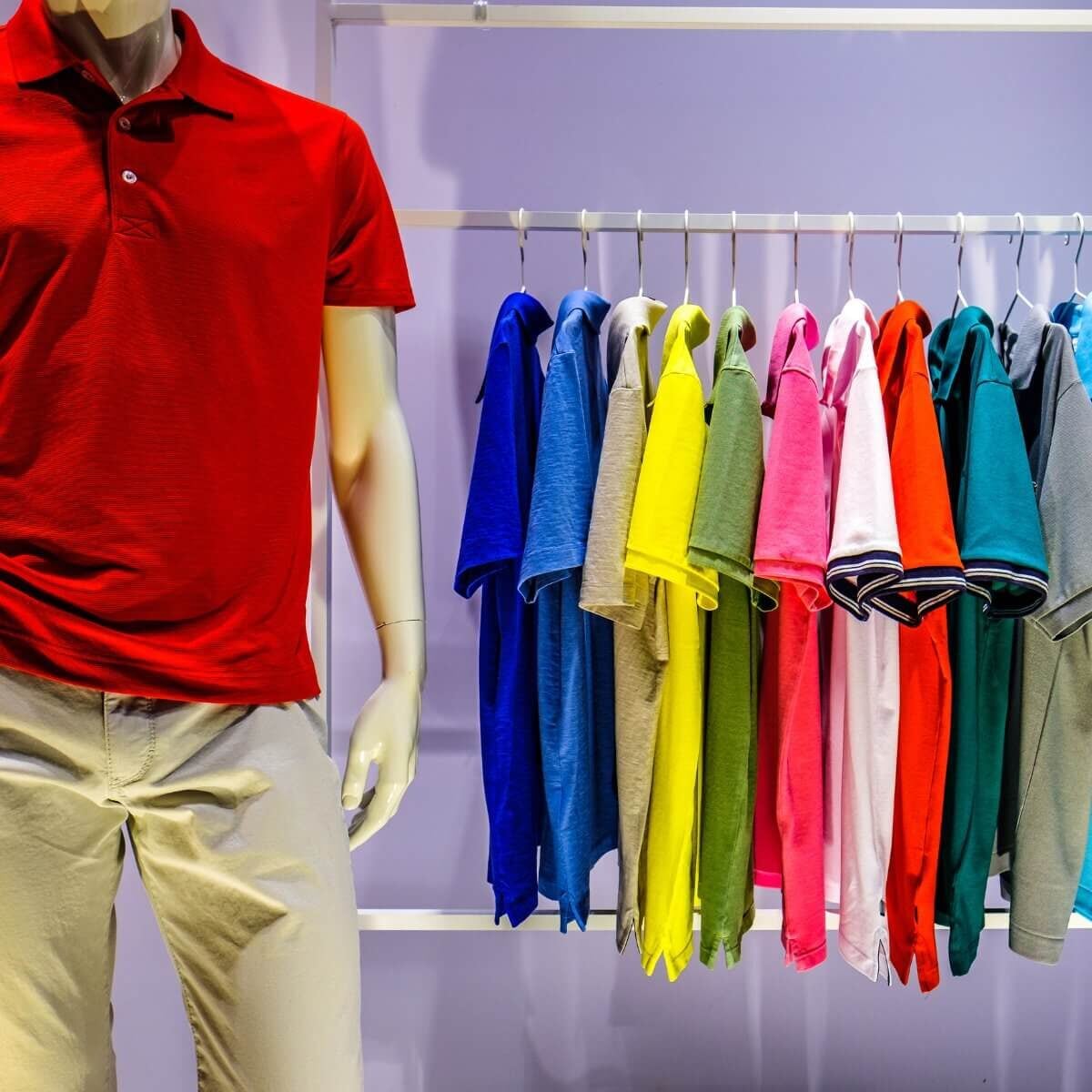
The placket then has to match. A two-button placket on a narrow opening looks clean closed and tight open; a three-button placket with a wider facing sits flat when the wearer unbuttons it. Placket width, button size, and buttonhole length belong on the measurement sheet, alongside side vents and the step of the hem.
Gate Four: Branding That Survives the Wash
Branding is usually decided last and causes the most rework. Embroidery on piqué needs enough backing to stop the logo sinking into the texture, and a stitch count that holds a small letterform without turning it into a block. Print on the same fabric loses fine lines, so a detailed mark is often better embroidered while a large flat graphic is better printed. On performance knits, a heat transfer can feel like a patch against the skin.
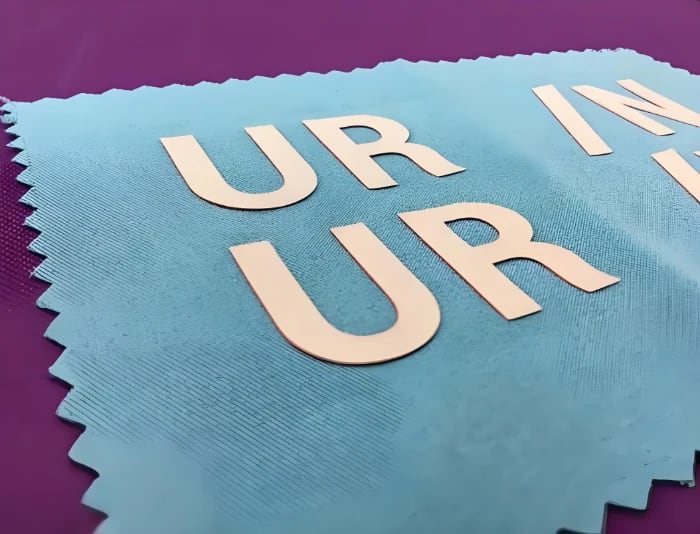
Placement is a specification too: left chest, collar, sleeve, or back yoke, each with a measured position rather than a verbal one. A custom logo polo should be approved on a panel of the actual bulk fabric, washed the way the wearer will wash it, because a logo that cracks at the fold cannot be fixed after delivery.
Gate Five: The Wear Trial and the Signed Sample
The last gate is the one buyers try to skip. A size set worn by real people for a few days surfaces what a flat measurement sheet cannot: a collar that sits high on a short neck, a sleeve that catches the elbow, a hem that rides up when the wearer sits. Comments come back as numbers and photos, and the pattern is corrected once.
Sampling then takes 7–12 days after fabric and tech pack approval. Bulk production typically runs 20–35 days after sample approval, with an AQL 2.5 inspection before packing, and the minimum is 300 pcs per style. The approved sample is sealed and signed because it is the reference for that inspection; every later argument about collar shape or placket depth is settled by opening the bag. Product detail sits on the polo shirts page.
What to record before signing a polo sample
Keep a tagged approval sample and a separate wear-test sample in the same size, fabric, and trim combination. On the test sample, take a front photo with the top button in the agreed position and a close-up of each collar point. Record the sample code, fabric lot if known, and which collar and placket version was fitted. A photo without those references is hard to use once another version has been made.
- Before washing
- Lay the polo flat and let it settle. Record body length, half chest, placket length, and collar point position using the diagram in the tech pack. On the wearer, try the movement that matters for the brief: a forward reach for a service uniform, for example. Photograph the placket in that position if it opens.
- After washing and drying
- Use the care route intended for the garment, then repeat the measurements in the same places. Check whether the collar still sits symmetrically, whether the placket lies flat when buttoned, and whether the logo area shows puckering. If the purchase order calls for a formal dimensional-change test, specify the method and care conditions with the lab. AATCC TM150 covers length and width change in garments after home laundering.
- At sign-off
- Put accepted dimensions, open issues, and the next action on the approval sheet. If the collar rolls after washing while chest and length stay in tolerance, ask for a collar or attachment revision and record which version needs another trial. If the fit changes throughout the garment, hold sign-off and check the fabric and garment measurements together. Match the approved sheet, photos, and retained sample to the same revision before authorising bulk.
Use the apparel RFQ checklist to send this wear-test brief with the artwork, size range, and intended care instructions. A supplier can then quote the sample work against the same approval criteria the buyer will use.
When the Process Breaks: Symptom, Cause, Repair
Most bulk complaints trace back to a gate closed verbally. This is the triage we use when a sample or a shipment comes back with a fault.
| Symptom the wearer reports | Usual cause | Repair before bulk |
|---|---|---|
| Collar points curl after washing | Collar knit too soft, or interlining too light | Firm up the collar knit or interlining, then re-test after washing |
| Placket gapes at the chest | Placket too narrow for the button spacing | Widen the placket or add interlining; check with the wearer reaching |
| Shoulders bind when reaching | Armhole too high or sleeve too narrow | Adjust armhole depth and sleeve width at the size set |
| Logo cracks or fades | Print too thin on a textured ground | Change method or build the ink deposit; approve a washed panel |
| Side seams twist after washing | Panels cut off-grain | Check grain on the cut ticket and re-cut the block |
The pattern is that the repair is almost never in the sewing room. It is in a specification that was never written, or written loosely enough that two people read it differently. Fixing the spec costs a sample round; finding the same fault after the fabric is cut costs the fabric.
What to Put in the RFQ
A quotation is only as good as the brief behind it. Send a reference garment or tech pack, quantity per style, size, and colour, a fabric direction with weight and hand feel, the collar and placket specification, logo files in vector format with placement, the destination market and its labelling rules, any test requirements, and the date the goods must leave. Say whether labels, hangtags, and retail cartons are in the order.
Ask for the quote to separate fabric, making, trims, sampling, testing, and packing, so a later change is priced against the right line. Buyers importing to the United States should confirm label content against US CBP informed compliance guidance rather than assuming a European label passes. On fibre and chemical requirements, we can source OEKO-TEX Standard 100, GRS, and RWS yarns by requirement, with traceability documents where available.
Questions about approving a custom polo sample
Can we order fewer than 300 pieces for a first run?
The minimum order is 300 pcs per style, and that figure applies to the style rather than each colour. How the 300 splits across sizes and colours is settled in the quotation, because the cutting plan depends on it. A smaller trial is better handled as a sample than a production run.
Do we need a physical sample, or can bulk start from a tech pack?
A tech pack describes intent; a sample proves it. Collar stand, placket depth, and embroidery density behave differently on the actual fabric than on a screen, so bulk should follow an approved sample rather than a document. Sampling takes 7–12 days after fabric and tech pack approval.
What happens if the bulk collar does not match the approved sample?
The sealed sample is the reference for the AQL 2.5 inspection, so a collar that differs in height, edge, or interlining is a measurable deviation rather than a matter of taste. That is why the collar is photographed on a stand and measured at sampling.
Can you source certified fabric for a corporate program?
We can source OEKO-TEX Standard 100, GRS, and RWS yarns by requirement, with traceability documents where available. The claim then belongs to that yarn and that document, which is why the certificate number goes on the purchase order rather than a general statement on the site.
Sources: OEKO-TEX Standard 100, EU Regulation 1007/2011, Intertek, Higg, US CBP.
Working on a knitwear project?
Let’s talk yarn, gauge and timing.
Send a reference or tech pack and we will come back with a practical development route.


