
Two navy polo shirts in the same combed cotton yarn sat on the sample table last week. Same yarn, same colour, same 300-piece order. One stood upright at the collar and felt dry against the skin. The other fell softly and followed the body. Neither was a better garment. The knit structure under the yarn was doing a different job.
Settling the pique vs jersey polo shirts question is a sequence, not a taste test: write the wearer into the brief, read the swatch, choose the decoration, fill the spec sheet, approve a washed sample, then lock the standard for bulk. Buyers who jump straight to the price comparison usually re-specify fabric halfway through sampling, when it is expensive.
Pique vs Jersey Polo Shirts: What the Surface Decides
Pique and jersey are both cotton knits; the difference is surface, structure and how the shirt carries a logo, not which one is better. Pique’s raised texture holds shape and hides creases. Jersey’s flat face drapes closer to the body and prints cleaner. Start from the wearer and the decoration, not the fabric name.
Both are weft knits and both accept a collar, a placket and a placement logo. The difference sits in the stitch. Jersey is a plain single knit with a flat face. Pique adds tuck stitches that lift the surface into a seeded texture on two needle beds, which is why it reads as a uniform shirt where jersey reads as a retail one.
Step 1: Write the Wearer Into the Brief
Start with five answers: who wears the shirt, for how many hours, in what climate, how often it is washed, and whether it is worn indoors or outdoors. A golf program in the Gulf and an office uniform in northern Europe point to different fabrics even when the tech pack looks identical.
The brief should also say what the shirt must survive. A shirt worn four days a week needs a structure that holds its shape, which pushes toward pique. A boutique range that sells on drape and hand feel can justify jersey, and a stretch program for movement usually starts with a performance blend rather than either basic knit.
Write the answer down. “Comfortable for staff” is not a brief. “Warehouse staff, forty hours a week, six washes a month, left-chest logo, must not show an undergarment when lifting” is a brief, and it makes the fabric decision for you.
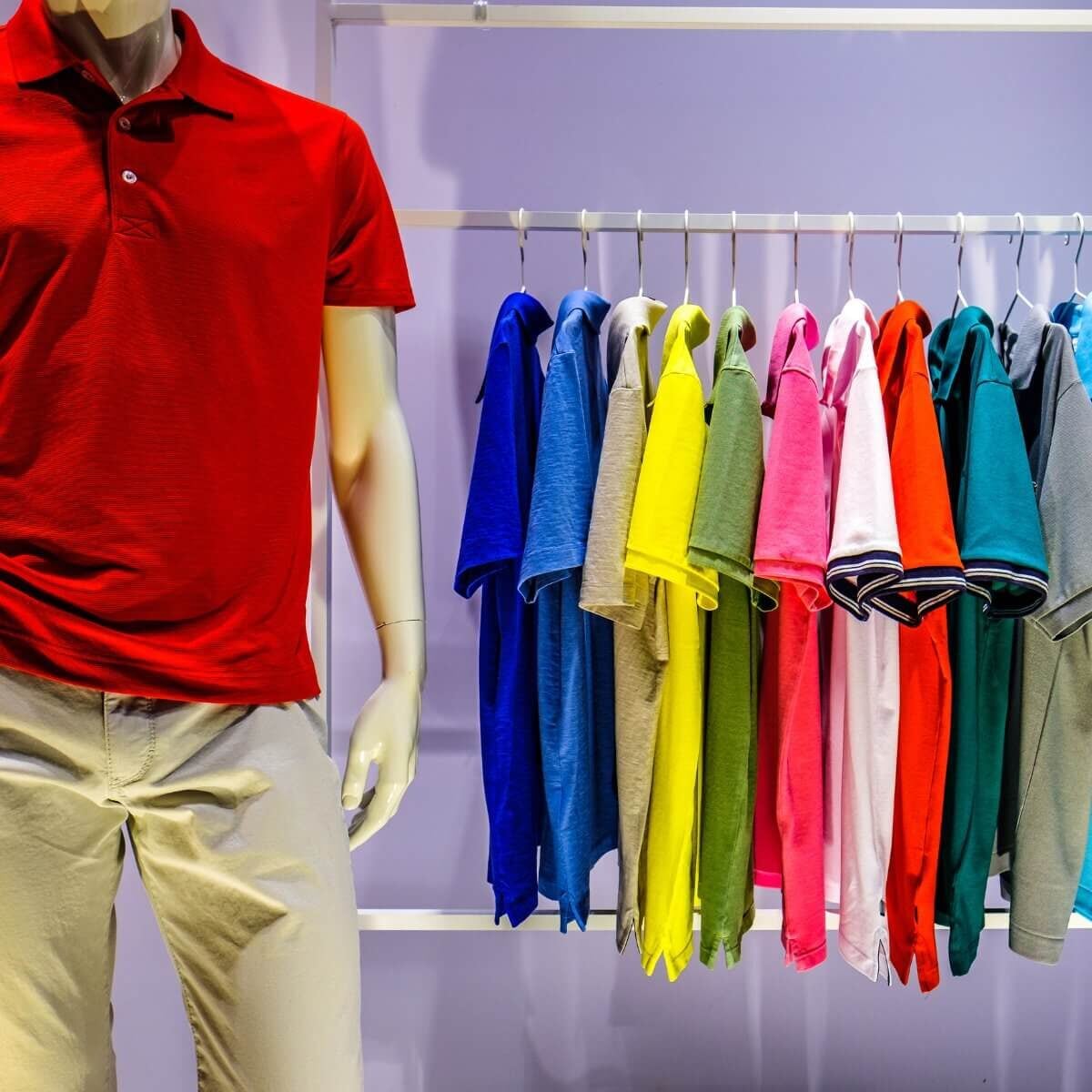
When the brief points to a textured, structured shirt, the details that follow belong on the custom pique polo shirt specification, from collar roll to placket width. When it points to drape, the same exercise runs on jersey.
Step 2: Read the Swatch, Not the Fabric Name
At swatch stage, four parameters decide the shirt: weight, yarn, finish and stitch. Weight is quoted in GSM and measured on the finished fabric, not the greige. Yarn count and spinning method set how the surface looks after ten washes. Finish, whether compacted, mercerized, peached or anti-pill, changes hand feel without changing the knit name. Stitch is the parameter this article is about.
| Parameter | Pique | Jersey |
|---|---|---|
| Surface | Raised, seeded texture, matte | Flat, smooth, slight sheen |
| Structure | Tuck stitches, often double knit | Plain single knit |
| Body and drape | Holds shape, sits away from the body | Falls close, follows the body |
| Air and moisture | Texture keeps damp fabric off the skin | Smooth face can cling when wet |
| Decoration | Embroidery reads well; fine print softens | Print detail holds; dense embroidery can pucker |
| Wash behavior | Keeps shape, hides creases | Softens, hem and elbow can grow |
Read the table as trade-offs, not a ranking. A 190 GSM pique and a 190 GSM jersey are not the same fabric at the same weight. The pique carries more air and more structure per gram; the jersey carries more drape per gram, and a lighter jersey can wear cooler in heat than a heavier pique.
Ask for a full-width swatch, not a card. Fold it, stretch it, hold it against a light, and put it next to the shirt you are replacing. A swatch that springs back after a hard fold is telling you something about recovery that no description will.
Step 3: Match the Logo Method to the Surface
Decoration is where the fabric choice becomes visible. Pique takes embroidery well because the texture absorbs small distortions in the stitch-out. The same texture breaks up fine print, so halftones and type under a few millimeters lose definition. Jersey’s flat face prints cleanly and holds a large back graphic, though a dense embroidery on a light jersey can pucker at the edges.
Test the method on the actual fabric, not on a stock blank. A stitch-out on pique beside the same file on jersey answers in ten minutes what a thread chart cannot. Placement matters as much: a left-chest logo is a small test of the surface, while a full back print is the largest one, and that is where jersey usually wins.
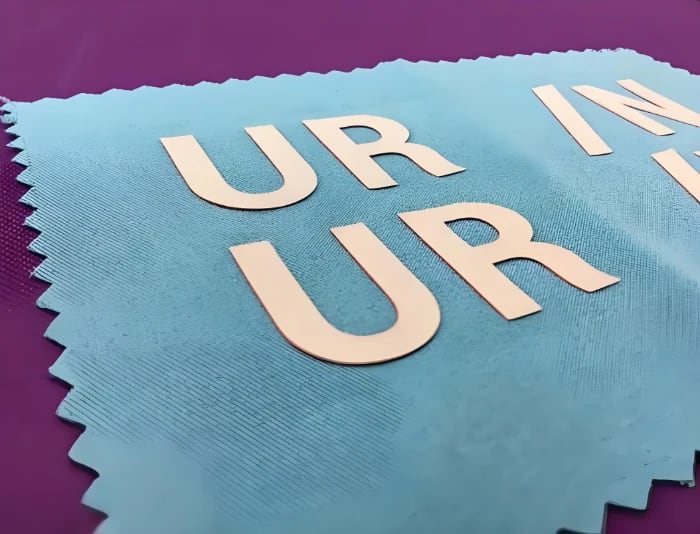
Keep a decoration standard with the approved sample: artwork file, stitch count or mesh, thread or ink references, size and placement. A logo that moves two millimeters between sample and bulk is a quality argument you do not want.
Step 4: Build the Fabric Spec Sheet
The spec sheet is the document that survives staff changes on both sides. It should describe the shirt well enough for a mill that has never seen the sample.
| Spec field | What to write |
|---|---|
| Structure | Single pique, double pique or single jersey, not just “cotton polo” |
| Weight | GSM with a tolerance, measured on finished fabric |
| Yarn | Count, combed or carded, ring or open end, blend |
| Finish | Compacted, mercerized, peached or anti-pill |
| Shrinkage | Target after one wash, tested on the actual fabric |
| colour | Lab dip reference, light source, fastness requirement |
Two lines deserve emphasis. Write the structure rather than the category, because single pique, double pique and jersey are three fabrics and one price list will not separate them. Write tolerance too, because a weight or shrinkage figure with no range cannot be rejected at inspection.
If the order needs OEKO-TEX Standard 100, GRS recycled or RWS wool yarns, name it here. Horssle Knit can source those yarns by requirement, with traceability documents where available, and the spec sheet is where that requirement belongs rather than a shipping email three weeks later.
Step 5: Approve a Sample You Have Washed
Sampling runs 7–12 days after fabric and tech pack approval. Use that window to test more than fit. Ask for two sizes so grading is visible, and wash one sample three times before anyone signs.
A short wash protocol catches what a fitting cannot: a collar that softens and rolls, a placket that bows, hem twist, shoulder seams that sit back. On pique, check that the texture has not flattened along the collar fold. On jersey, check that the body has not grown in length and that the armhole has not stretched.
Then agree the bulk inspection before production. Horssle Knit inspects to AQL 2.5, and the fabric values written on the spec sheet are what the inspector measures against. An inspection standard that references a vague description protects nobody.
Step 6: Lock the Standard and Run Bulk
Bulk production typically takes 20–35 days after sample approval. The lock is what protects that window. Before the line starts, the approved sample, the spec sheet, the measurement chart, the decoration placement and the packing instruction should be signed and versioned.
Changes after lock cost time twice: once to re-approve and once to re-plan the line. A shade change partway through a run is the costly version, because it can split a dye lot and turn one delivery into two. Customers who plan a reorder should lock the fabric and the finish at the same time as the style.
Ask for a duplicate approved sample. One stays at the factory as the reference on the line, one travels with your inspection booking or your agent.
Cost, Minimums and the Honest Trade-Offs
Two cost differences follow from structure, and neither is a secret. Pique consumes more yarn per garment, because tuck stitches and a double-knit structure use more than a plain single knit, so at the same yarn price the fabric line usually runs higher. Jersey uses less yarn, so a lighter polo is often cheaper to make, though it may need more careful finishing to hold its shape. Confirm both against a written quotation rather than a per-kilo estimate.
The minimum is the same either way: 300 pieces per style at Horssle Knit. What changes is the colour plan. A custom dye lot and a stock shade carry different minimums per colour, so splitting 300 pieces across four colours is a different commercial conversation from splitting them across two. Settle the split before the fabric is ordered, not after the lab dip.
Name the trade-off out loud. A jersey polo can read softer and more retail than a brand’s uniform program wants, and a pique polo can read more formal than a boutique range intends. Both are legitimate positions. The mistake is choosing by photograph instead of by swatch.
FAQ
Is pique better than jersey for a corporate uniform?
For most uniform programs, yes, because pique holds its shape through repeated washing and hides creases between shifts. If the shirt is worn in heat and the wearer is active, a lighter jersey with a good finish can be the more comfortable option. Decide from the wash cycle, not the logo.
Can you print a large back graphic on pique?
You can, but the texture costs definition. Fine lines and small type fill in, so the artwork usually needs heavier strokes and a higher ink deposit. If the graphic carries the design, jersey is the easier surface.
Which fabric is cooler in hot weather?
Neither automatically. A lighter jersey releases heat faster by weight, while pique’s texture keeps damp fabric off the skin. Weight and finish usually matter more than the knit name, so compare two swatches at the same weight.
Does the fabric change the 300-piece minimum?
No. The minimum is 300 pieces per style either way. What changes is the colour split, because dye-lot minimums sit on top of the style minimum, and a custom shade in four colours is a harder order to place than the same quantity in two.
Sources: OEKO-TEX Standard 100, EU Regulation 1007/2011 on textile fibre names, US CBP informed compliance publications, Intertek for test methods, and Higg for facility indexing.
Working on a knitwear project?
Let’s talk yarn, gauge and timing.
Send a reference or tech pack and we will come back with a practical development route.

