
Use this low MOQ knitwear capsule guide to find what sets your minimum and decide which styles and colours you can sample and book without taking on unplanned stock.
Last updated: November 26, 2026
Here is how to approach a capsule without overcommitting on stock.
Why knitwear MOQ exists
Minimums are usually driven by four costs: yarn dye lots, machine setup, sampling and finishing. Yarn mills may require a minimum order per colour. Knitting machines need to be programmed and tested. Linking and finishing teams need a run that justifies the setup. None of these costs disappear because the order is small — they are simply spread across fewer pieces.
Ask the supplier which constraint applies before changing the design. A stocked yarn shade can help where dyeing is the constraint. If a trim or a knitting run sets the minimum, changing the yarn alone may leave the quote unchanged.
Seven ways to lower a first order
- Use stock yarn colours. A stock shade can avoid a custom dye lot minimum.
- Consolidate colourways. Ask how the quantity split affects yarn and knitting minimums before choosing which shades to launch.
- Start with one gauge where it fits. A shared machine gauge can simplify the route if the supplier confirms the layouts and setups can be run together.
- Use a development-ready shape. Adapting an existing block is faster than developing a new silhouette from scratch.
- Limit trim variations. One button, one label and one packing format keeps the bill of materials simple.
- Plan a phased run. Produce a small first drop, then reorder the winners with an agreed repeat window.
- Compare a second style on the same yarn. Check if the yarn purchase can be shared, and whether each style still has a separate production minimum.
Build the capsule as a system
A capsule works best when the pieces share a yarn, palette and fit language. That does not mean every piece looks the same. It means a customer can buy a sweater, a cardigan and a knit top and feel they belong together.
Start with one hero silhouette, one supporting layer and one accessible knit top. Keep the palette tight. Use the same rib proportion and neckline treatment where possible. This reduces development cost and makes the range easier to merchandise.
The goal of a first capsule is not to prove you can make everything. It is to prove which piece your customer wants more of.
Do not skip the sample
A small first order still benefits from a physical swatch and a fit sample. Agree which material, hand, fit and finishing features are being approved at each stage. Keep the approved references for the first repeat order.
Which minimum will change your first order?
Send a style and colour matrix with quantity by size. Ask for the minimum by style and colour on that exact matrix. Ask about the yarn booking separately, including the amount the yarn supplier needs you to buy, whether it is a stock line and how any leftover yarn is charged. A factory can accept a size split while a custom yarn colour still requires a separate mill order.
| Quoted constraint | Question to resolve | Decision if it binds |
|---|---|---|
| Per style | Does every construction need its own minimum? | Launch fewer styles or test an existing block. |
| Per colour or dye lot | Which shades can use available stock? | Reserve custom colour for the styles that need it. |
| Per yarn order | Can different styles draw from the same booking? | Ask who pays for and holds unused yarn. |
| Per trim order | Are labels, buttons or packs quoted in larger minimums? | Quote a shared or stock trim and clarify new label approvals. |
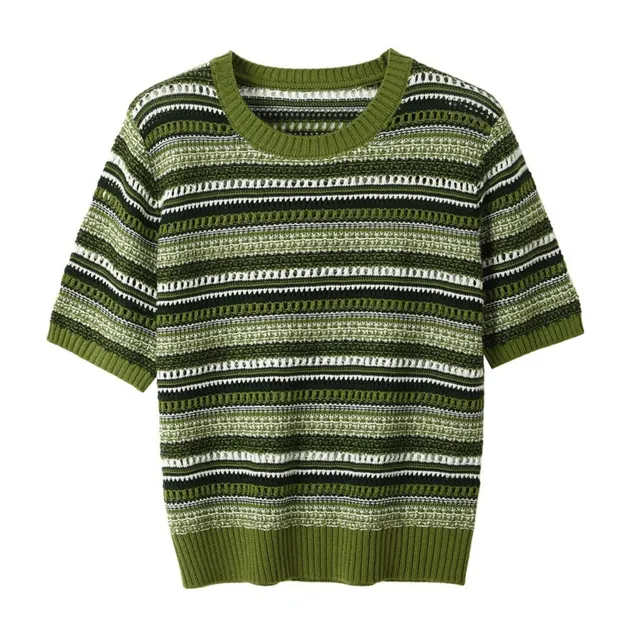
Ask the supplier to identify which written assumption supports a lower quote. A stock colour might look attractive at sample stage and sell out before production. Ask the supplier to confirm whether the stock is reserved, until when, and at whose cost. If the material changes, request a new swatch before you commit to the bulk order. A repeat that depends on a stocked trim needs the same check.
Keep your sales and cost decisions separate from the mill’s minimum. If a second style lets you use a common yarn booking but adds development, fit approval and packaging, compare the entire order with a smaller range focused on the strongest style. Ask the factory to quote both scenarios using the same delivery assumption. In each, record the first material commitment, the sample fees and when the size or colour quantities become firm.
What a shared material system can and cannot combine
Our merino crewneck capsule used a shared yarn quality and coordinated rib, while styles were knitted in multiple gauges. A shared yarn made the range cohesive. It does not establish that the project paid one setup charge or that one quantity minimum covered all the styles. Use the example to ask which stages your supplier can share and which still need their own approval and price.
When two styles use the same yarn, ask the factory whether the yarn quantity is booked across the combined consumption or by individual style. Compare a matching rib that can use a common approved colour with a trim or cable that still requires a separate sample. Ask whether the company can hold spare yarn for an agreed reorder window and how unused stock is accounted for when the window ends.
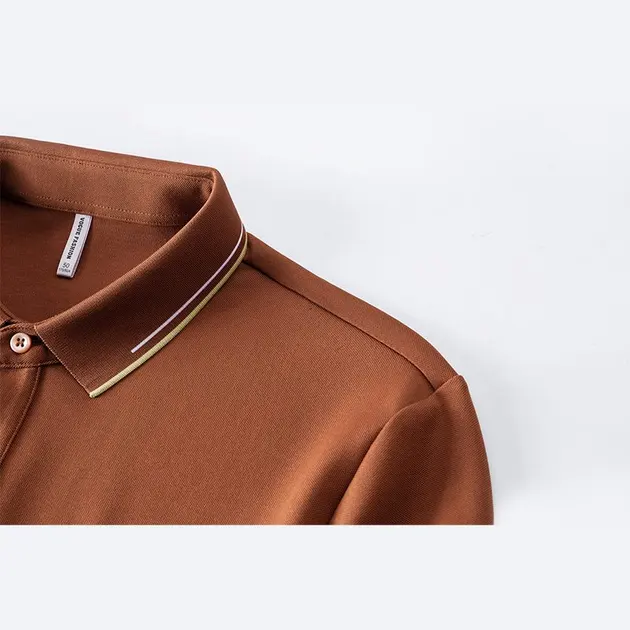
Our published private-label programme treats the swatch, fit and pre-production sample as separate decisions. As a public retailer-side example, the J.Crew vendor quality manual puts its own pre-production sample approval ahead of bulk. Confirm which sample gates apply to your order and leave time for an alternative colour or yarn to be reviewed if the original option fails.
Use the minimum order calculation guide to document how the volumes were calculated. Carry the costs into the first order budget, including material you pay for but cannot sell in the first run. If you need to stage a launch, write which styles are trialled first, when you will decide to reorder, what happens if the original yarn is no longer available, and whether the approved references are retained. A second order protects cash only when the conditions for making it are known.
How to compare a phased launch with a combined booking
For a phased launch, ask for the unit quote and material booking for the initial style, and ask which later commitment would be required if you reorder. For a combined booking, ask the factory to show the total yarn purchase, each style’s minimum and the separate costs of fit and finishing. In both cases, make clear whether the quote covers packaging, sample replacements and any storage of leftover materials.
Then test the reorder assumptions. If a colour is popular, can you buy the same lot again? Where repeat dyeing is likely, keep a colour reference and agree when a fresh swatch is needed. If the factory can reserve yarn, record whether you pay when it is reserved or when it is used. If the yarn is unique to the capsule, tell the supplier who can authorise using the remainder for a different style.
Record when each decision becomes firm. The colour schedule, knit setup, trim purchase and packed quantity can have different deadlines. Choose the offer that fits the cash and launch plan once those commitments are visible. Ask for the revised quote to identify which approval or date must move if you cut a colour before bulk.
Plan the reorder before you launch
Ask your manufacturer how long a repeat order takes and whether the yarn can be held or reserved. If the first drop sells through, you want a production slot — not a new development cycle. Confirm the approved sample, yarn reference and packing specification will be stored.
A realistic low-MOQ brief
- One to three styles, one yarn family, two to four colours.
- Horssle Knit’s published private-label starting point is 300 pieces per style for many programmes. Obtain the amount for your yarn, colour split and construction before committing.
- Stock yarn or a clearly quoted dye-lot minimum.
- A sample budget and a schedule showing yarn availability, each approval and the date that can still move.
- A reorder plan with a defined repeat lead time.
FAQ
Can I split a style minimum across several colours?
Ask the factory to price the actual split and say which minimum applies to each colour. A per-style quantity and a dye lot minimum can both apply.
Does a shared yarn mean I can combine styles into one MOQ?
It may help with yarn procurement. Confirm if each style has its own knitting, finishing or packing minimum before you rely on a combined quote.
Should I reserve yarn for a repeat order?
Ask about the available lot, reservation period, storage cost and who owns the remaining cones. The right choice depends on the risk of a shade change and how much stock you can carry.
Send your capsule quantity split for a quote. Include the styles, colours, expected delivery and which elements can change if a supplier minimum is higher than your plan.
Working on a knitwear project?
Let’s talk yarn, gauge and timing.
Send a reference or tech pack and we will come back with a practical development route.

