
Use this carded cotton vs combed cotton comparison to check what each T-shirt quote specifies and decide which jersey to approve for bulk.
Last updated: November 26, 2026
Combed vs Carded Cotton T-Shirts: What Should the Buyer Verify?
Combed and carded cotton T-shirts differ in fibre preparation. Combing adds a step after carding that removes more short fibres and neps, which can produce a cleaner yarn. A buyer can verify preparation in the mill’s yarn record, then compare matched samples for the surface, durability and print result the garment needs.
Both routes can produce a cotton jersey T-shirt. Compare the yarn evenness and visible surface, then judge abrasion and print results on the finished fabric. Record the spinning method separately: a yarn can be ring-spun whether the fibre was combed or carded only.

Why a smooth sample can mislead
A smooth showroom sample tells you how that piece was finished. Softening and calendering can make a carded jersey feel smooth, while a firm knit can make a combed jersey feel less soft. If the mill cannot link the sample to a yarn record, keep the preparation claim open until it can.
Horssle Knit’s cotton T-shirt development includes a fabric swatch and a fit sample. Our programme description also records that we keep the approved sample, fabric reference and packing specification for repeat orders. Buyers can use that same reference trail to compare a replacement lot against the original approved jersey.
What Combing Actually Changes
Carding opens and disentangles the cotton and forms it into a loose strand called sliver. Combing removes additional short fibres and neps before spinning. The result can be a more even, less hairy yarn. The strength and surface still depend on the fibre and spinning setup, as a Uster comparison of carded and combed yarns illustrates with knitted reference samples.
Fibre length can affect how much fuzz works up to the surface with wear. Twist, spinning method, knit and finish also change how a jersey pills. If pilling is a release criterion, agree a test method and target with the lab and review the result for the actual finished fabric.
Combing does not change cotton into a different fibre. Two garments can carry the same cotton percentage and use different preparation routes. List fibre composition and yarn preparation in separate fields so that a composition report is used to confirm the claim it actually measures.
Surface, Hand and the Finishes That Hide the Difference
Softening agents, enzyme washes, calendering and a tight knit can make a carded fabric feel smooth. Use a yarn record to verify preparation. Compare the finished fabrics after agreed wear or laundering checks to assess how they will perform.
A combed jersey can show a cleaner face and clearer stitch definition. A carded jersey may show more surface hair, depending on the spin and finish. When approving a change for a reorder, compare the replacement against the retained sample under the same light, then repeat the affected performance checks.
| Point | Combed cotton | Carded cotton |
|---|---|---|
| Yarn preparation | Additional short fibres and neps removed before spinning | Carded without the extra combing step |
| Surface | Can show a cleaner face at comparable construction | May show more surface hair, depending on spin and finish |
| Strength at the same count | Can benefit from longer retained fibres | Depends on fibre, spin and twist |
| Pilling | Check the finished fabric against the agreed test | Check the finished fabric under the same conditions |
| Print behaviour | A cleaner surface can help fine detail | Check fuzz and small lettering on the actual fabric |
| Suits | Consider for fine jersey and fine print detail | Consider wherever the approved fabric meets the brief |
Read the table as a set of tendencies. A well-finished carded jersey can look excellent and wear well for a season, and a badly knitted combed jersey can still pill. The point for a buyer is not which yarn wins; it is which claim is being made and whether the sample supports it.
Printing: Where the Yarn Shows Through
Surface hair can interfere with fine edges and small lettering. Compare the actual jersey and base colour using the intended artwork, dimensions and print method. Ink choice, deposit and process settings also affect edge quality and how the printed area feels.
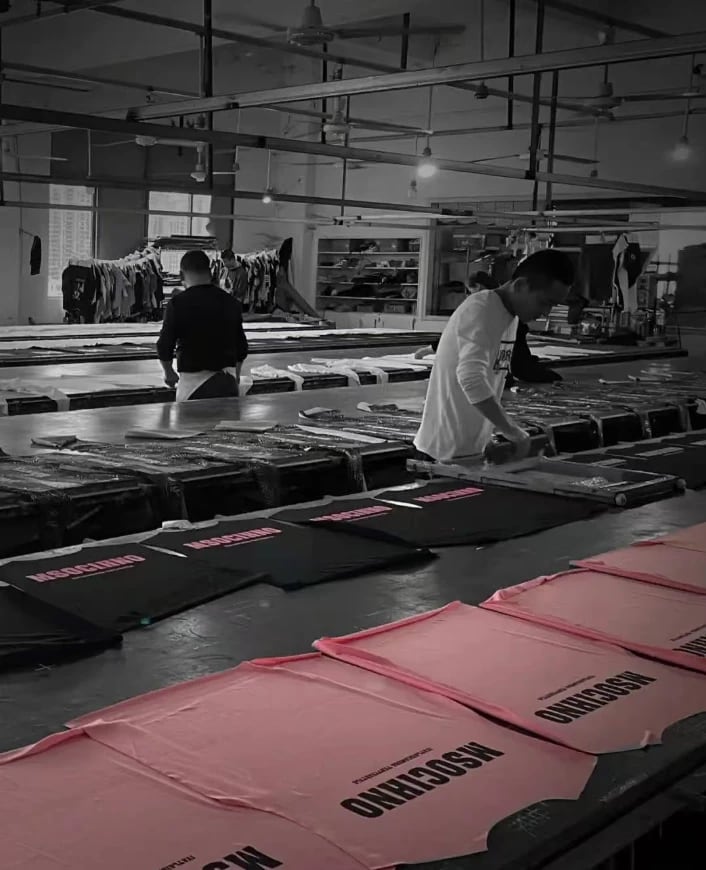
Run the print trial on the fabric you plan to book. A logo with small type can reveal edge loss that is hard to see on a solid block. Use the same artwork across both candidates. Our T-shirt print artwork requirements show what to include with the proof.
The same logic applies across the range. The large body panels of a custom oversized T-shirt make surface variation easier to see. For a custom gym T-shirt, pick a check that reflects the laundering and abrasion expected for that programme.
Documents and Tests, Not Thumb and Forefinger
Record the labelled fibre percentages separately from the preparation route. The composition report supports the percentage claim, and the mill’s yarn record can identify how the fibre was prepared. Link the yarn lot to the fabric lot so the record relates to the jersey being approved.
OEKO-TEX Standard 100, for example, certifies articles against a limit-value standard and names the materials and processes in scope. It does not certify that a yarn was combed. A GRS claim covers recycled content rather than spinning preparation. Buyers who read the scope instead of the logo avoid most of the confusion, and they can quote the certificate number and the article reference when their own customer asks.
For an in-house comparison, agree a care cycle and the number of washes with the supplier. Keep an unwashed control. Examine the same areas under the same light, note surface fuzz and pilling, and keep the washed samples with the approval record. If the purchase order calls for a rated pilling result, commission the agreed lab test separately.
What to resolve before booking the jersey
Quoted material. Ask the mill to list the preparation route, spin, yarn count and ply for each option. Book both trials with the same count system, fibre blend, knit, target weight and finish where practical. Write any remaining difference next to the result so the buyer can tell what the comparison actually shows.
Sample identity. Mark each unwashed control, washed piece and strike-off with the same fabric reference and its lot. A hand-feel or print score only helps a purchase if it can be traced to the option on the quote. For what a composition report can support, see our guide to fibre content verification.
Bulk release and substitutions. Separate your requirements from preferences. For a shirt built around small lettering, mark which stroke must stay intact. If pilling is a priority, agree the surface result and check it after the agreed treatment. Record what must be repeated when the supplier substitutes a spinning method, finish or fabric lot.
Price and available quantities. Ask each supplier to price the same approved print and finish. Check whether the fabric is available in the intended colours and quantities and whether a second type of jersey would change the sampling bill or production booking.
How to make a price comparison you can act on
Put the two mill options into the same approval sheet and keep separate columns for what the supplier declared and what your inspection found. The following checks work for a repeat style as well as a first order. Leave a requirement open if the supplier can show a finished sample but cannot yet tie it to the yarn or fabric lot on the quote.
| Decision | Evidence to record | When to hold approval |
|---|---|---|
| Yarn preparation | Supplier yarn description and lot matched to the fabric booking. | The quote says “combed” but the booked yarn is unidentified. |
| Wash appearance | Unwashed control and washed comparison under the agreed conditions. | The pieces were finished or washed under different conditions. |
| Print approval | Same artwork and size on each quoted jersey. | The proof was made on a stock shirt instead of the production fabric. |
| Replacement lot | Current lot details and a comparison with the retained reference. | The new lot misses the approved hand, colour or surface requirement. |
For example, if the carded and combed quotes come with different finishes, the result tells you which offered fabric meets the brief. It cannot isolate the effect of combing. If the business case for paying more rests on combing itself, have the mill match the finishes and repeat the comparison. If both fabrics meet the same acceptance criteria, compare confirmed availability and the quoted cost of the finished shirt.
What to Put in the RFQ
An RFQ for a T-shirt programme should state the yarn preparation, the yarn count, the fibre, the knitting gauge, the finish, the print method and the wash test the buyer expects. Where the buyer cannot state the count, a reference garment plus a target fabric weight gives the mill something concrete to match.
Ask the mill for comparable samples and a quote that names which differences it could not hold constant. If a replacement yarn is proposed, ask which evidence will be repeated before the new fabric is accepted. The same method helps when two fabric suppliers describe their jerseys using different names.
Bulk, Inspection and Reorder
Bulk should follow the approved fabric and inspection plan. Horssle Knit’s published cotton T-shirt programme lists 300 pieces per style as the starting minimum, with fabric and decoration among the factors that may change the quote. Confirm the quantity, approval milestones, production dates and inspection criteria for the actual order.
Keep the yarn lot record alongside the approved sample. A reorder knitted from a different lot of the same yarn can shift in shade and in surface, and the buyer who compares records notices that before the cartons leave, not after they arrive.
FAQ
Is combed cotton always better than carded?
Choose the finished jersey that meets the brief. A combed yarn can suit a smooth, fine-print surface. A carded jersey can also pass the buyer’s hand, wash and print requirements. Review options tested under the same conditions before paying for the difference.
Can I tell combed from carded by touch?
Touch alone cannot establish the route. Finishing can make a carded jersey feel smooth. Ask for the mill record to identify the yarn, then use matched washed samples to decide which result you will accept.
Does combing change the fibre content?
Combing changes the fibre preparation before spinning. If both options have the same blend, their fibre percentages stay the same. A composition test measures the blend, while the yarn record supplies evidence of the preparation.
What is the minimum order and lead time?
Ask for the minimum on the exact fabric, colour and decoration. The published cotton tee programme starts at 300 pieces per style. Confirm the sampling and production schedule after the mill has identified the yarn and the buyer has agreed the sample approvals.
Sources: OEKO-TEX Standard 100, EU Regulation 1007/2011, Intertek testing, Higg, US CBP informed compliance, The Woolmark Company.
Request a cotton T-shirt swatch review. Share the competing fabric quotes, target weight and print file so the supplier can check which samples are comparable.
Working on a knitwear project?
Let’s talk yarn, gauge and timing.
Send a reference or tech pack and we will come back with a practical development route.

