
A tighter twist does not make a better yarn. It makes a different yarn: firmer, smoother, less reflective, and less forgiving of a careless stitch. Whether it is better depends entirely on the fabric the buyer is trying to make, which is why the question belongs in front of a swatch rather than in a conversation about softness.
Yarn twist knitwear hand feel is usually discussed as if softness were a single dial. It is not. Twist changes the surface, the liveliness of the knit and the way the garment behaves after washing, and those three effects do not move in the same direction. A buyer who asks for “softer” without saying which of the three matters will get a sample that solves one problem and creates another.
Yarn twist knitwear hand feel: what the sample should show
Yarn twist knitwear hand feel comes from three visible things: how the yarn surface catches light, how the knit springs back when stretched, and how the fabric changes after a wash. Ask to see those on one swatch in the intended stitch before approving a yarn.
The decision path is short. Decide the surface first, then the liveliness, then the wash behaviour, and only then write the yarn specification. Taking them in that order keeps the conversation concrete, because each step can be judged on a physical sample rather than on a description.
Why a tighter twist is not automatically better
Twisting a yarn binds the fibres together. More twist means a denser, smoother thread that pills less and shows stitch definition more sharply. It also means a firmer hand, a yarn that resists compression and a fabric that can feel dry against the skin, which is not what every knitwear brief wants.
Low twist goes the other way. The yarn is loftier, softer and warmer, and it blooms slightly after finishing, which gives the fabric a halo and a softer edge. The trade is a surface that pills more readily and a stitch that can lose definition, particularly in a fine gauge where there is less fibre to hide behind.
Most knitwear sits between the two, and the useful question is not which end of the scale is superior but which end the garment needs. A cashmere crewneck sold on softness and a merino polo sold on a clean surface are asking the yarn for opposite things.
Surface: the first thing a buyer sees
Surface is where twist announces itself. A high-twist yarn knits into a smooth face with clear stitch columns and a slight sheen; a low-twist yarn knits into a softer face where the stitches blend and the light scatters. Photographs flatter both, so the comparison has to be made in the hand and at an angle to a window.
Ask for the same stitch in both yarns. A rib flatters a low-twist yarn and hides the definition that a high-twist yarn would show, so a comparison across two different structures proves nothing about the yarn. The controlled comparison is one structure, two twists, same colour.
| Twist level | Surface | Liveliness | After washing | Suits |
|---|---|---|---|---|
| Low | Soft, slightly haloed, stitches blend | Lofty, compresses easily | Blooms, may pill at friction points | Soft sweaters, loungewear, brushed finishes |
| Medium | Even face, moderate definition | Balanced spring and drape | Holds shape, mild surface change | Most knitwear, cardigans, fine-gauge tops |
| High | Smooth, clear stitch columns, light sheen | Firm, resists compression | Stable, resists pilling | Structured knits, polos, crisp summer yarns |
Liveliness and stitch definition
Liveliness is what a knitter means by spring: the yarn’s willingness to return after being stretched. A medium twist usually gives the most useful balance, enough body to hold a cable or a rib without the fabric feeling stiff, and enough softness to drape at the hem.
Stitch structure changes the answer, which is why gauge sits next to twist in any development conversation. A yarn that feels lively in a 7-gauge rib can feel flat in a 16-gauge jersey, because the finer the gauge, the more the fabric depends on the yarn’s own body rather than on the depth of the stitch.
The practical test is compression. Squeeze the swatch, release it, and watch whether it returns immediately or stays compressed. Then stretch it gently across the width and see whether the stitches open into holes or slide back. A yarn that opens and does not recover will do the same at a cuff, a neckband or a hem, and the garment will look tired before it wears out.
What washing does to twist
Twist is not fixed at the cone. Washing relaxes the yarn, and the amount of relaxation depends on the fibre, the twist level and the finishing route. A high-twist wool can relax into a slightly softer fabric after the first wash, which is often welcome; a low-twist lambswool can bloom into a fuzz that changes the surface completely.
That is why the swatch comparison should include a washed sample. Ask for one swatch washed and pressed to the care instruction the garment will carry, and compare it with an unwashed one under the same light. The difference is the change the customer will see after the first laundry cycle, which is the only comparison that matters commercially.
The comparison has to be made in one structure
A controlled yarn comparison holds everything except the yarn constant: same stitch, same gauge, same colour, same finishing. It is more work than sending three cones, and it is the only version of the comparison that produces a decision a buyer can defend.
Ask for the swatches to be labelled with the yarn count, the twist direction and the number of plies, and keep them with the approved sample. Those three details are what a mill will ask for when the order is placed, and a buyer who cannot supply them is relying on the supplier to reconstruct the yarn from a photograph.
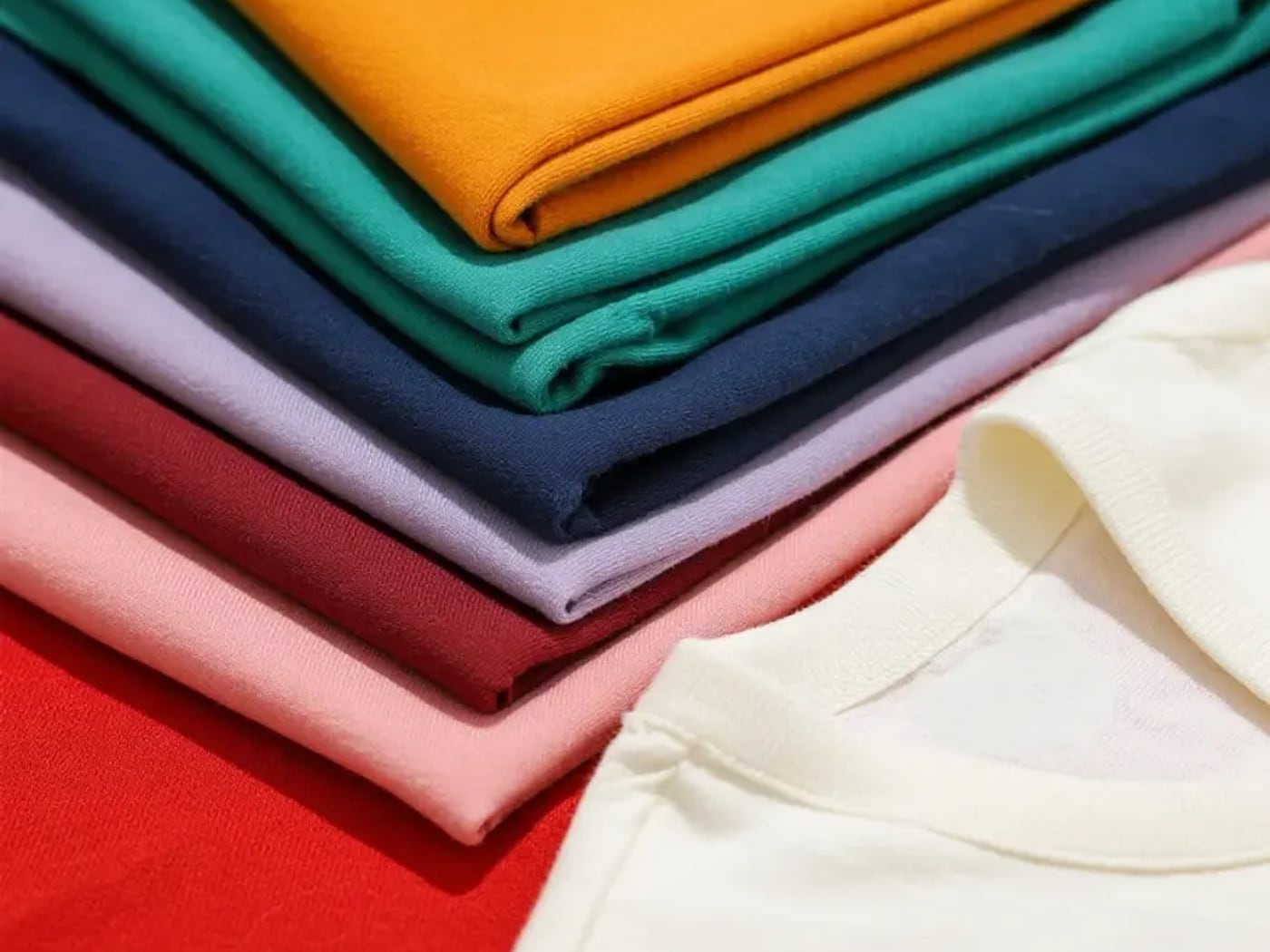
Keeping the swatches in a labelled library is what makes the next season cheaper. A buyer who can pull last year’s approved swatch can ask a mill to match it rather than describe it, and the mill can price against a physical reference instead of an adjective.
What to ask to see
Five items cover the decision, and each one is a physical object rather than a claim.
| Item | What it proves |
|---|---|
| Two swatches in one stitch, two twists | The surface difference, visible and touchable |
| A washed and pressed swatch | How the yarn relaxes in the customer’s hands |
| A stretched-then-released swatch | Whether the knit recovers at cuffs and hems |
| The yarn label with count, ply and twist direction | What to specify when the order is placed |
| A garment sample in the chosen yarn | How the twist reads at scale, in a silhouette |
None of those takes long to produce, and together they replace a season of adjectives. The merino sweater and cashmere sweater routes use the same swatch discipline, because the fibre sets the range and the twist sets the position inside it.
Writing twist into the specification
The specification needs the fibre, the count, the ply and the twist direction, plus a reference swatch that both sides have signed. Without the reference, the words describe a yarn family rather than a yarn, and the mill is free to supply something within the family that knits differently.
Attach the swatch to the tech pack and refer to it in the purchase order. When a yarn is substituted, the substitute has to be compared against the signed swatch in the same stitch, and the comparison recorded. That single discipline prevents most of the disputes that begin with “it looked different in the sample”.
If the yarn decision is still open, send the intended stitch, the target hand-feel and the quantity to the knitwear team and ask for the comparison swatches before the yarn is booked.
FAQ
Does higher twist mean a longer-lasting garment?
It usually means less pilling and better shape retention, which reads as longer life. It also feels firmer, and a customer who bought the garment for softness may not agree with the trade.
Can we change twist without changing the yarn count?
Yes, and the fabric will change. Twist and count interact, so a like-for-like comparison keeps the count constant and changes only the twist, then checks the result in the same stitch.
Why do two yarns of the same count feel so different?
Because count describes the thickness of the thread, not its structure. Ply, twist direction and fibre diameter do the rest, and each of them can be varied independently.
Should the swatch be washed before approval?
Yes. Twist relaxes in the wash, and the surface after one cycle is closer to what the customer receives than the surface on the cone.
Sources: The Woolmark Company on wool fibre specification, OEKO-TEX Standard 100 on restricted substances, Intertek on textile testing, Control Union on certification scope, and EU Regulation 1007/2011 on fibre names and labelling.
Working on a knitwear project?
Let’s talk yarn, gauge and timing.
Send a reference or tech pack and we will come back with a practical development route.

