
The shade that disappears from a mill’s programme is easy to deal with. You notice it, you choose a replacement, you tell the buyer. The expensive problem is the shade that comes back half a tone off, passes every check you run on the day, and only shows itself when a customer puts this season’s cardigan next to last season’s in the same wardrobe.
Stock yarn color continuity is a wearer’s test, not a lab’s. Two navy sweaters on the same shelf, bought eight months apart, are supposed to be the same navy, and a difference that looks like nothing on a swatch card looks like a mistake on a body.
Stock Yarn Color Continuity: The Questions Buyers Ask
Stock yarn colour continuity means being able to reorder the same shade in a later season and get a result the customer accepts as identical. It depends on whether the shade is held as a stock programme, how each dye lot is recorded, and what the mill will commit to when the shade is discontinued.
Those three questions decide more than the colour card does, and they are worth asking before the first order rather than at the reorder.
Is This Shade Actually Held, or Just Printed?
A colour card shows what a mill can dye, not what it holds. Ask which shades sit in a standing programme, which are dyed to order, and which are shown for reference only. The answer changes with the season, so ask again before each development cycle rather than relying on last year’s answer.
There is a second trap in the card: the shade is often shown on one substrate. A colour that is stable on a woollen-spun yarn can shift when it is dyed on a worsted count, and the same reference then produces two different garments that both carry the same colour name.
Ask, too, whether the shade is available across the yarn counts and gauges you need. A colour held in a fine count may not be held in the count the pattern calls for, and substituting the count to keep the colour changes the gauge, the hand and the finished measurements.
What the Mill Records for Each Lot
Continuity lives in the records. A mill that can tell you the dye lot, the dyeing date, the substrate and the recipe reference for a shade can repeat it far more reliably than one that can only say “it is our navy”.
| Record | What it gives you | Where it should live |
|---|---|---|
| Dye lot number | The exact batch behind a delivery | Packing list and purchase order |
| Substrate and count | Which yarn the shade was dyed on | Yarn specification |
| Recipe reference | How the shade was matched | Mill file, quoted on reorder |
| Approved swatch | The physical reference, not a screen | Sealed swatch card |
| Light source | Whether the match was checked in daylight | Approval note |
How Close Is Close Enough Between Lots?
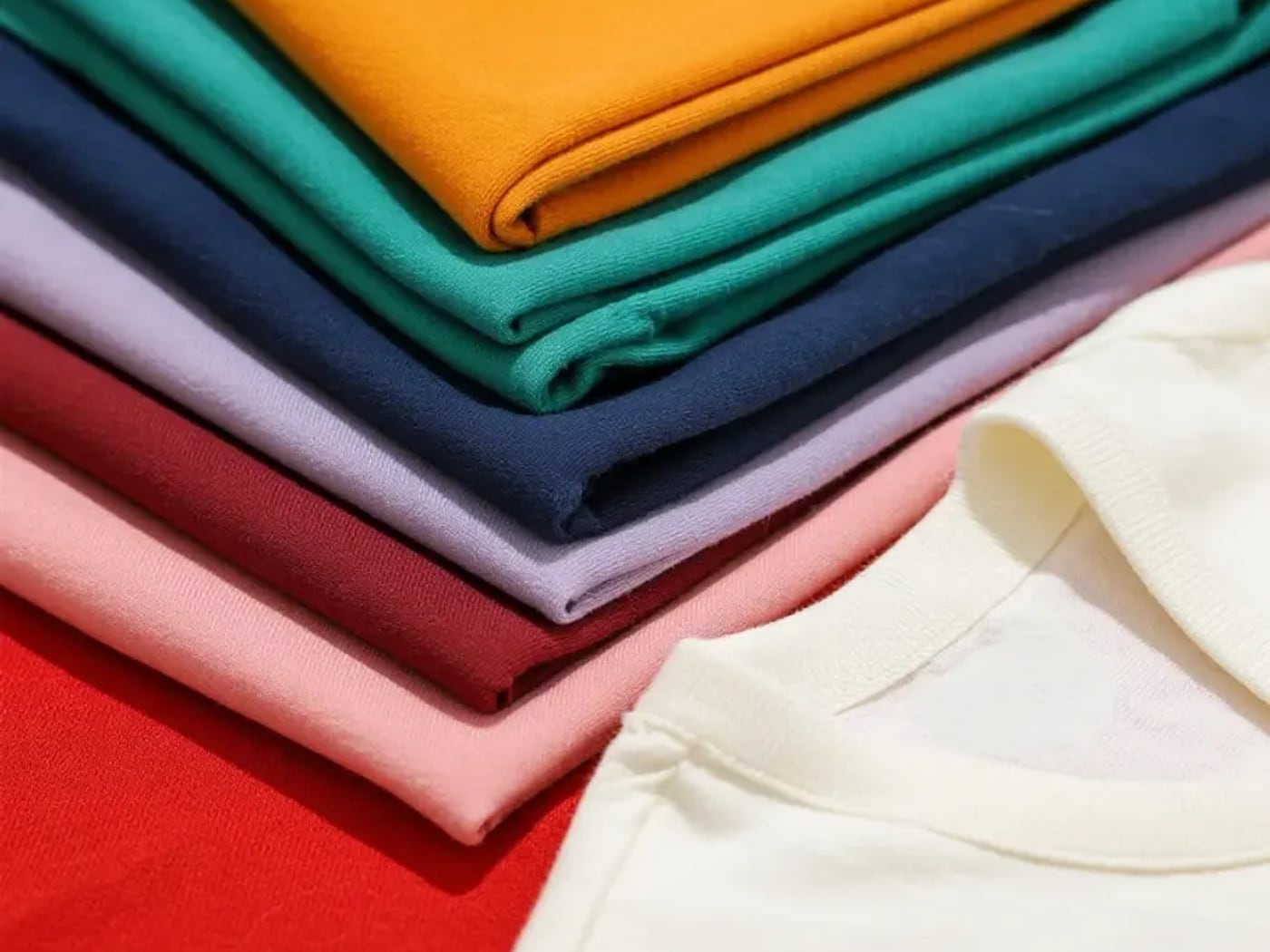
Textile colour is never identical between dye lots, and pretending otherwise sets up a dispute. What matters is whether a difference is visible when two garments are worn together, and that is a judgement the buyer has to define before the order rather than after the complaint.
The practical answer is a tolerance agreed on a physical swatch: this much shift is acceptable, this much is a reject. Two buyers can set different bands on the same shade and both be right for their market, because one sells in a boutique with a colour story and the other sells separates.
What Happens When the Shade Is Discontinued
Every stock shade has an end date, and the buyer who plans for it keeps the range alive. Ask what the mill will do when the shade is dropped: hold a quantity, dye a final lot, or offer a nearest match with a defined difference.
A nearest match is often the right answer, provided it is tested rather than assumed. Request a swatch of the replacement dyed on the same substrate, compare it with the sealed card under two light sources, and decide whether the range can absorb the shift in the styles where the shade appears.
Which Fibres Make Continuity Harder
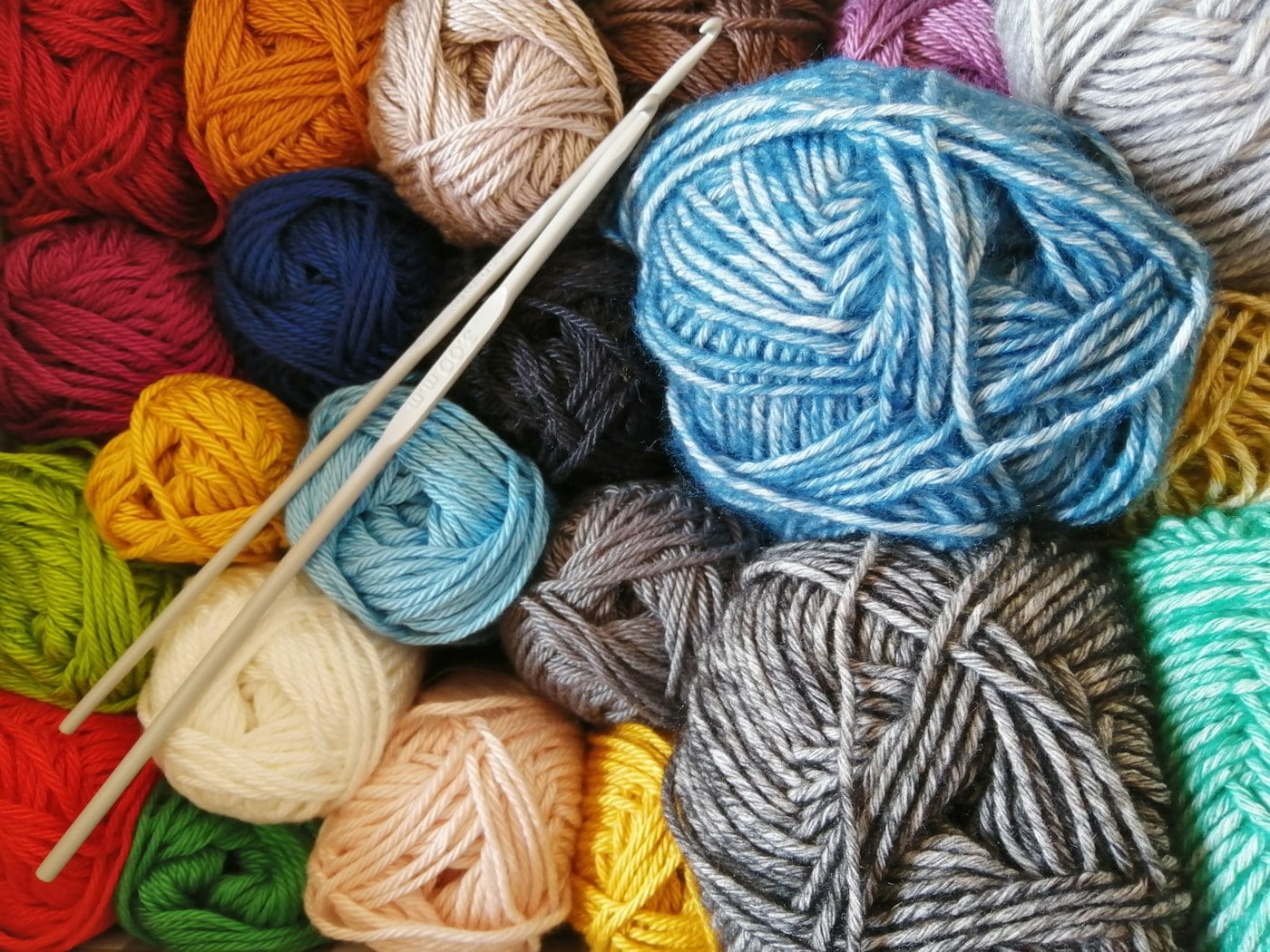
Fine merino takes dye evenly and repeats well, which is why a merino sweater programme can hold a shade across seasons with modest effort. Cashmere is less even, because the fibre’s natural tone varies and the dye has to cover it, so a cashmere sweater in a pale shade is harder to repeat than the same shade in wool.
Gauge matters too. A shade on a fine gauge looks denser and darker than the same shade on a chunky gauge, so a colour approved on one yarn cannot simply be moved to another without re-approval. The gauge and hand feel notes explain why the same colour reads differently across counts.
Practical Routes to Continuity
| Route | How it works | Continuity risk | Suited to |
|---|---|---|---|
| Stock programme shade | Held by the mill, dyed in repeated lots | Low while the shade stays in the programme | Core basics sold every season |
| Custom lab dip | Matched to your reference and dyed per order | Medium; each lot is a new match | Signature colours and seasonal stories |
| Package-dyed yarn | Yarn dyed to a recipe before knitting | Lower for large runs, higher for small ones | Programmes with volume per shade |
| Nearest-match substitution | Closest available shade when one is dropped | High unless tested against the sealed card | Continuity of a style, not of a shade |
What a Replenishment Order Actually Tests
A reorder is a test of three things at once: whether the shade still exists, whether the yarn count still exists, and whether the mill can dye the same result on a different substrate if either has changed. Most continuity failures come from the second question, because a count can be discontinued quietly while the colour remains in the programme.
Ask for the reorder to be confirmed in writing against the original specification, including the yarn count and the dye recipe, and ask which of the three has changed. A supplier who answers that question in a sentence is easier to work with than one who simply confirms the colour.
What to Write Into the Replenishment Clause
Put the shade reference, the substrate, the approved swatch and the acceptable shift into the order, and say what happens if the shade is unavailable. A clause that names a replacement route is worth more than a promise of indefinite availability, because the mill can honour the first and cannot honour the second.
A small stock of the yarn held against future orders is another route, and it only works if the storage is dry and the yarn is protected from light. Yarn that has sat in a warm room for a year can age unevenly, and the first cone is not always the colour of the last.
Keep the sealed swatch. When a reorder arrives, compare it with the swatch under daylight and under the light the product is sold in, and record which one you used. That record is what turns a colour argument into a measurement.
Keeping the Range Alive
Continuity is a range decision as much as a colour decision, and it belongs in the same conversation as the knitwear range plan. A range built on eight stock shades can be replenished for several seasons; a range built on eight bespoke dips has to be re-matched every time, and each re-match is a small risk. Many brands run both, with the bespoke shades on the statement pieces and the stock shades on the carry-over basics.
Keep a record of which shades were used in which season. When a customer asks why this year’s cardigan looks slightly different from last year’s, the answer is a dye lot and a substrate, not a shrug, and the record makes it a one-line reply rather than an investigation.
That split also helps the buyer explain a shift to a customer. A carry-over basic that matches last season is a promise kept; a statement colour that moves slightly between drops is a design decision nobody notices.
FAQ
Can a mill guarantee an exact colour match between lots?
No, and a mill that promises one is promising something the dyeing process cannot deliver. What can be agreed is a tolerance tested on a physical swatch and checked under named light sources.
Should we hold stock of a shade we use every season?
It depends on the volume and the storage. Holding yarn protects continuity but ties up material, and a shade held too long can age. Ask the mill what it will hold and for how long before you decide.
How do we compare a reorder against the original?
Against the sealed swatch, in daylight and under the selling light, with both samples on the same substrate. Comparing a garment to a screen never settles anything.
Does a stock shade cost more than a custom dip?
Usually less, because it is dyed in larger runs and needs no matching. The saving is in the dyeing route; the trade-off is that you choose from the shades the mill holds.
Sources: The Woolmark Company, OEKO-TEX Standard 100, Control Union, Intertek, Higg, EU Regulation 1007/2011.
Working on a knitwear project?
Let’s talk yarn, gauge and timing.
Send a reference or tech pack and we will come back with a practical development route.

