
The tee passed the fit review and failed in the gym. The shoulder seam opened under a loaded press, the side seam twisted after the third wash, and the fabric clung where it should have released. None of those faults were visible on a hanger.
The gym t shirt fabric and fit decision comes down to four choices: the knit structure, the range of movement at the shoulder, the seam type, and what the fabric does when it is wet. Each can be checked on a sample, and each fails in a different way.
Gym T Shirt Fabric and Fit: What the Sample Has to Prove
A gym t shirt has to prove three things on the sample: that it moves with the shoulder through a full range without pulling, that the seams survive load and washing, and that the fabric handles sweat and dries. A garment that passes a fit review and fails any of those is a return.
The order below follows the decisions rather than the fabric catalogue: session, structure, fit, seams, then tests. Getting the sequence right matters, because a seam cannot rescue a structure that holds water.
Start With the Session, Not the Fabric
The session decides everything downstream. A weighted session in a warm room, a spin class in a cold one, and a walk to the office in the same tee are three different briefs, and a fabric chosen for one will disappoint the others.
Ask what the wearer does, how long the session lasts, how much they sweat, and whether the shirt is worn home afterwards. A tee that is worn for an hour and washed immediately can be heavier and more absorbent than one that has to stay comfortable on a train.
Recovery time matters too. If the tee is worn twice between washes, odour and drying become the deciding factors rather than stretch. If it goes straight into the machine, the fabric can carry more weight and more cotton.
Fabric: Stretch, Recovery and Drying
Stretch comes from the structure or from elastane, and the two behave differently. A rib or an interlock gives mechanical stretch that recovers without elastane; a jersey with elastane stretches more but can relax with heat over time.
Drying is where the fibre choice shows. Cotton absorbs and holds moisture, which feels cool at first and heavy afterwards. Polyester moves moisture to the surface and dries quickly, but can feel clammy in still air. A blend is a compromise, and the compromise is usually visible in the drying time rather than in the hand.
Weight matters as much. A light jersey dries faster and clings more; a heavier one feels substantial and takes longer to dry. The right answer depends on the session, not on a preference for a number.
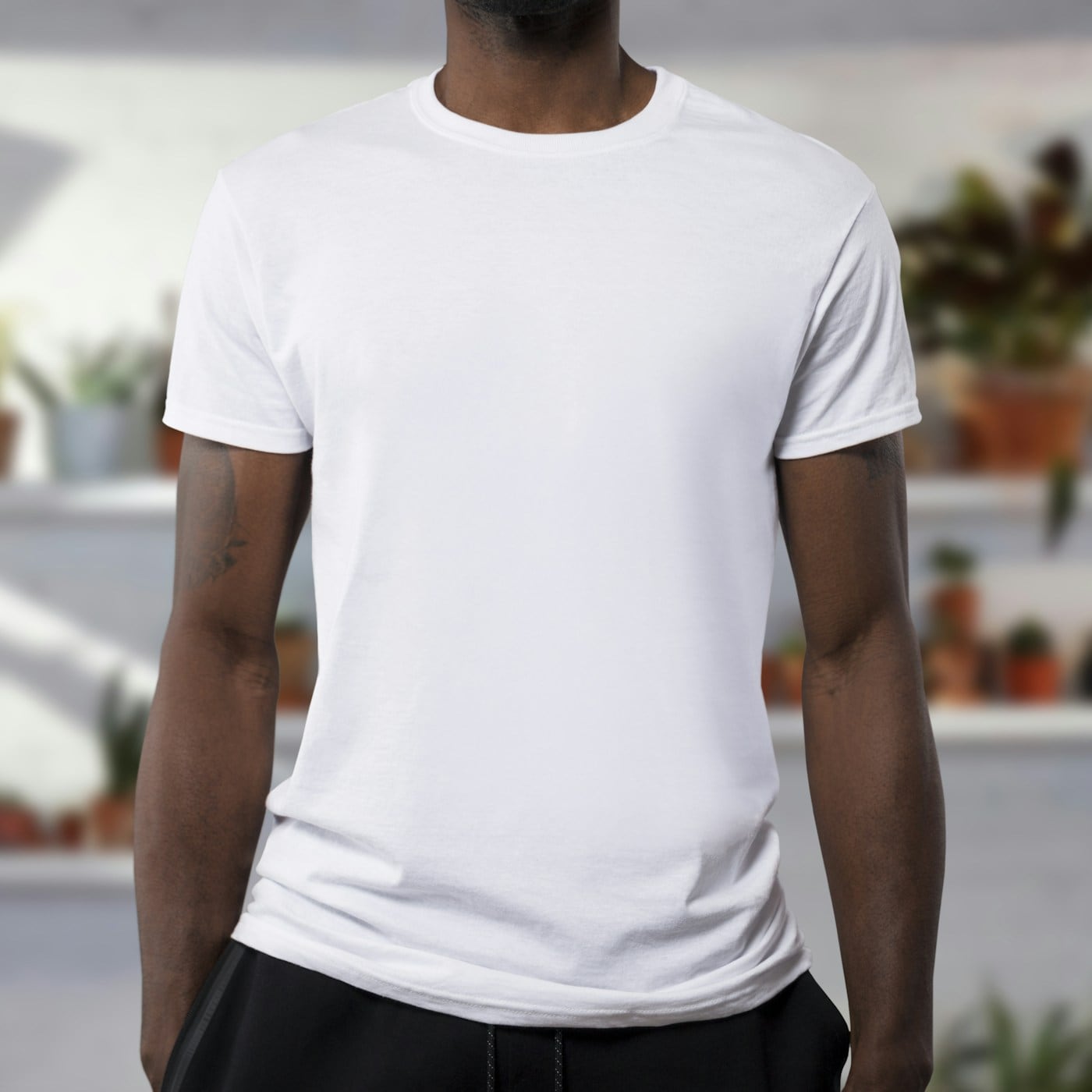
Fit: Where a Training Tee Fails
Range of motion is decided at the armhole. A high, close armhole restricts the shoulder; a low, open one allows movement but exposes the body when the arms go overhead. The sample review should include the movements the session repeats: reaching overhead, pressing, rowing, sprinting arms.
Shoulder construction matters here too. A raglan sleeve moves more freely than a set-in sleeve because there is no shoulder seam to pull across the joint, which is why many training tees use one. If the style uses a set-in sleeve, check the armhole depth against the movement.
Length and hem decide whether the tee stays put. A hem that rides up during a session is a fit problem, and a boxy tee cut long enough for a streetwear programme is not automatically right for training.
Seams and the Stress Points
Four seams take the load: the shoulder, the armhole, the side seam and the hem. A standard overlocked seam is fine for a promotional tee and weak for a garment that will be pulled over the head and stretched across the back.
Flatlock and coverstitch seams lie flatter and reduce chafing under a strap. A gusset at the underarm, or a side panel cut on the length, reduces the pull that twists a side seam after washing. Check the seam by pulling it across the grain, not by looking at it.
The hem is the other stress point. A narrow hem on a light jersey can wave when the fabric recovers, and a twin-needle hem on a stretchy fabric can crack if the thread has no give.
Thread choice is part of the seam, not a purchasing detail. A textured polyester thread stretches with the knit; a cotton-wrapped thread does not, and a seam sewn with the wrong one will break before the fabric does. Ask what the sample was sewn with and keep the same thread in bulk.
The Comparison Table
Four structures cover most training briefs, and they differ in ways a wearer can feel.
| Structure | Stretch and recovery | Drying | Where it works |
|---|---|---|---|
| Single jersey, cotton | Low mechanical stretch | Slow | Low-sweat sessions, retail look |
| Jersey with elastane | High stretch, good recovery | Medium | Movement-heavy training |
| Interlock | Moderate, stable | Medium | Structure and opacity |
| Mesh or eyelet | Moderate | Fast | Hot rooms and high sweat |
Read the table by session. A hot-room session pushes towards mesh; a strength session with a lot of shoulder movement pushes towards elastane; a brand that sells the tee as everyday wear may choose interlock and accept slower drying.
Two rows are about feel rather than performance. A mesh tee looks technical and reads as gym wear on the street; an interlock looks like a fashion tee and behaves like one at the shoulder. The brand position decides which is acceptable.
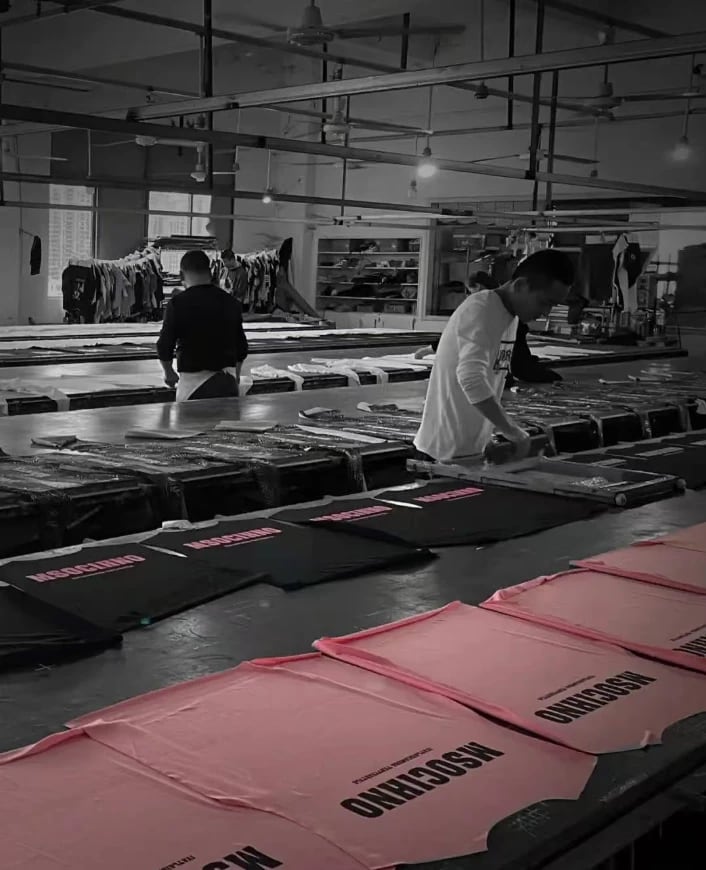
Testing Without Exaggerating Claims
A wicking or quick-dry claim needs a method behind it. Agree the test with the lab before the label is written, and quote the result rather than the adjective. A lab such as Intertek can run the standard methods, and the report is what supports the claim if a buyer asks.
Shrinkage, pilling and colourfastness are the three tests that decide whether the tee survives its first month. Wash the sample at the care-label temperature, dry it as instructed and measure it again, because a training tee is washed more often than a fashion tee.
Fibre and care labelling are separate commitments. EU Regulation 1007/2011 sets the fibre names and the content statement for that market, and the care instruction has to match the wash test you approved. A claim on the tag that the fabric cannot support is a complaint with a paper trail.
Run the wear test with the people who will train in the shirt, not with the office team. Fifteen minutes of the actual session will surface a seam that rubs, a shoulder that pulls and a hem that rides, and none of those appear in a fitting room.
What to Put in the Brief
Write the session, the fibre and the structure, the armhole construction, the seam type, the hem finish and the tests you expect. Then add the movement list the sample will be checked against, so the fit review has a standard rather than an impression.
Add the number of washes the tee has to survive and the care conditions it will meet, so the lab test and the care label describe the same garment rather than two ideas of it.
Sampling at Horssle Knit runs 7–12 days after fabric and tech pack approval, and bulk typically takes 20–35 days after sample approval, with a 300-piece minimum per style. A wear test inside the sample window is the least costly way to find a shoulder that pulls before the order is placed.
Keep the approved sample and the test report together. The T-shirt range shows how the same structure behaves across fits, and the report is what turns a sample into a specification someone else can repeat.
FAQ
Is cotton or polyester better for a gym tee?
It depends on the session. Cotton feels cooler in dry air and dries slowly; polyester dries fast and can feel clammy in still conditions. A blend is often the practical answer for a mixed training programme.
Do we need elastane for a training tee?
Not always. An interlock or a rib gives mechanical stretch without it. Elastane adds range and recovery, and it also adds a fibre that relaxes with heat, so test recovery after washing.
How do we test a wicking claim?
Agree a standard method with the lab and test the finished fabric, not the yarn. Quote the result on the specification, and keep the report with the approved sample.
What seam should a gym tee use?
Flatlock or coverstitch at the shoulder and armhole reduces chafe and lies flatter under a strap. The side seam matters as much, particularly on a light jersey that can twist after washing.
Sources: OEKO-TEX Standard 100, EU Regulation 1007/2011 on textile fibre names, US CBP informed compliance publications, Intertek for test methods, and Higg for facility indexing.
Working on a knitwear project?
Let’s talk yarn, gauge and timing.
Send a reference or tech pack and we will come back with a practical development route.


