
A substitute yarn that matches the ticket exactly can still change the garment, because the ticket describes the yarn rather than the fabric it becomes. Composition and count can align while twist, fibre length and finish quietly move the handle, and the wearer feels the result before anyone reads the specification.
Substitution is normal. Mills discontinue colours, lots run out, and a programme that cannot absorb a replacement cannot be planned. What separates a managed substitution from a lost standard is the comparison that happens before the replacement is approved, and the record that survives it.
Substitute yarn approval process: the short answer
A substitute yarn approval process compares the replacement with the original on five points: fibre composition, count and ply, twist, colour and the knitted sample, then the wash behaviour. Approval is a written re-confirmation against the approved garment, not a check that the two tickets match, because a ticket is a description rather than a result.
Those five points cover what a wearer can feel and what a buyer will be asked about later. Anything outside them is a detail that can be settled by asking the mill.
Matching the ticket is not enough
Two yarns can share a composition, a count and a ply and still knit into different fabrics. One may be spun from longer fibre, twisted harder, or finished with a softener that changes the surface. The garment made from each will weigh the same and measure the same, and it will not feel the same.
That is why the approval is against the garment rather than the paper. A ticket comparison is the first filter, not the decision, and a programme that stops at the filter discovers the difference in bulk.
The five points of comparison
The table is the check we run when a mill offers an alternative.
| Point | What to compare | What changes if it differs |
|---|---|---|
| Composition | Fibre and exact percentage split | Label claim, handle, care instruction |
| Count and ply | Count in Nm or tex, and the number of plies | Thickness, drape and yarn consumption |
| Twist | Turns per metre and direction | Surface, pilling and how crisp the knit reads |
| Colour | The dip and the dye route | Shade, and how it behaves in a different light |
| Wash | Shrinkage and surface after the care cycle | Dimensions and the handle the customer keeps |
Each row can pass on paper and fail in the garment, which is why the sample sits beside the table rather than after it.
Composition and count: the visible differences
Composition is the first thing to fix because it is the one that becomes a legal claim on a label. A substitute that shifts the percentage of a fibre changes what the care label may say, and the label change is a separate approval with its own evidence.
Count and ply come next. A finer count gives more length per kilogram and knits thinner; a different ply changes the roundness of the yarn and how it fills a stitch. A replacement that matches the resultant count but changes the ply can knit a fabric of the same weight with a different surface, and that is often what a buyer notices first.
Twist and finish: the invisible differences
Twist is the parameter most often missing from a substitution discussion, and it is the one that moves hand feel most quietly. A firmer twist reads drier and resists pilling; a softer one gives the rounded handle many knitwear buyers want and a surface that fuzzes sooner. If the original ticket did not record twist, the substitute cannot be compared on it, and the only evidence left is the knitted sample.
Finish is the same story. A yarn finished with a softener feels different from the same yarn without it, and the difference survives the first wash less than the buyer expects. Where the original was finished, the substitute should be finished the same way, or the comparison is between two different products.
Knit it before you judge it
The comparison that matters is two swatches at the same gauge, same stitch, same finishing, side by side. A yarn judged on a hank tells you about the yarn; a yarn judged in the fabric tells you about the garment.
Knit both, then handle them blind. A three-person panel against the approved sample removes the expectation that the substitute will be worse, which is a real bias when the substitution was forced by availability. Note which one each person preferred and why, rather than only which one passed.
Record the gauge and the stitch on both swatches, because a comparison made at two gauges is not a comparison at all. Photograph them together under the same light and keep both swatches with the style file rather than in a drawer, so the next person to ask the question can see what was compared.
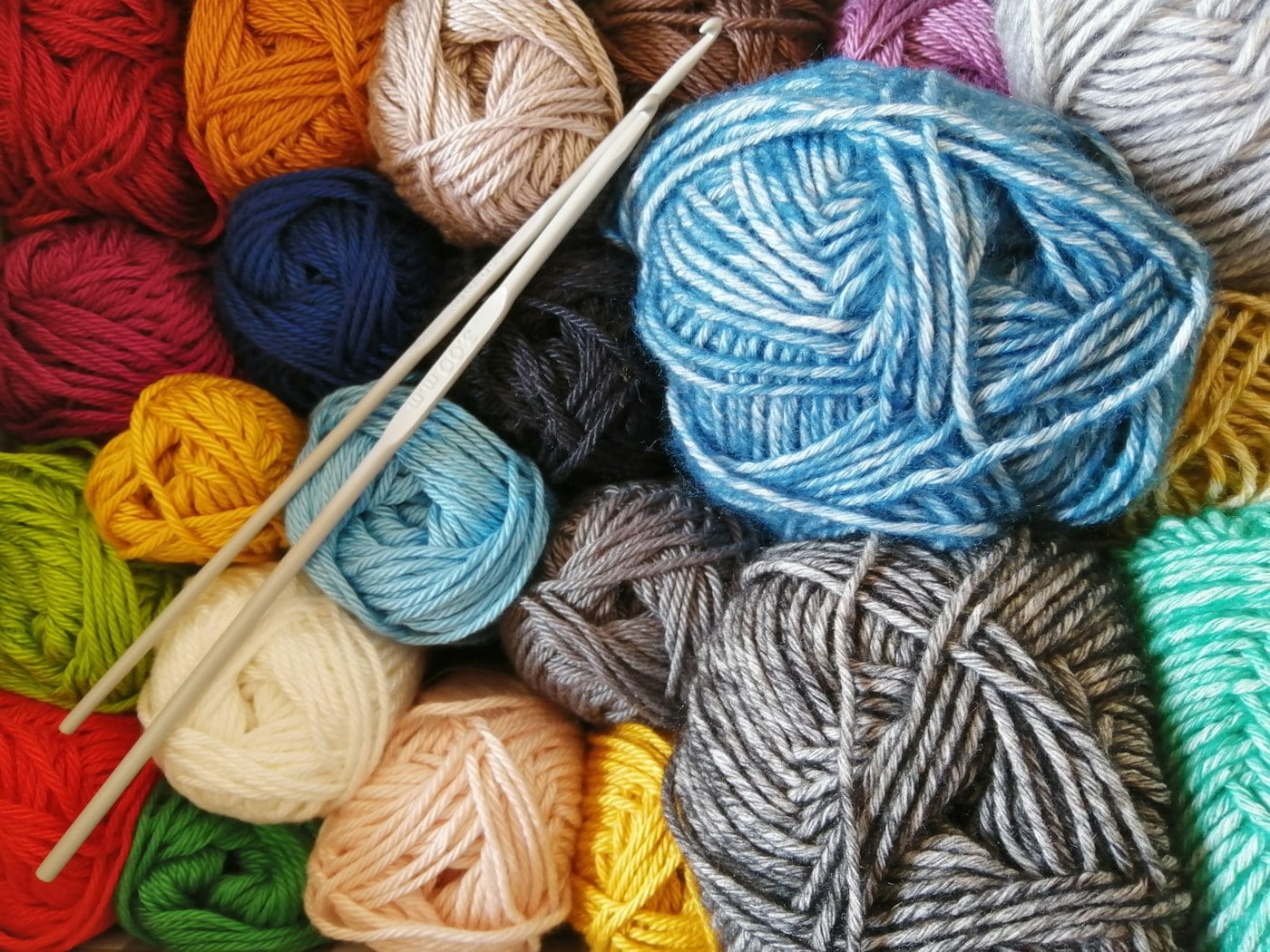
Colour: the substitute’s dye route
A substitute yarn is a new dyeing proposition. The same colour reference on a different fibre or a different count will not produce the same shade, and the dip has to be approved again rather than carried over from the original.
The dye route matters as well. A yarn-dyed substitute behaves differently from a piece-dyed one across a range, and the lab dip is judged under the same light sources as the original so the comparison is fair. Where the colour sits next to a trim or a second component, check the substitute against that component as well as against the standard.
Wash it, then decide
Wash both swatches the way the care label instructs, dry them the same way, and compare again. Shrinkage, surface change and the way the knit recovers are the three things that appear after a wash rather than before it, and they are exactly the things a wearer will notice.
A merino programme and a cashmere programme are the strictest tests of a substitution, because both fibres are bought for their handle and both change visibly if the fibre length or the finish moves. If the substitute passes there, it will usually pass in a more forgiving yarn.
Writing the re-approval
The decision needs to be a document rather than an email. Record the original yarn, the substitute, the five comparisons, the swatch photographs and the wash result, then sign and date it, and attach the file to the style.
That file is what makes the next order consistent. Without it, a later supplier sees a style with two yarns in its history and no way to know which one the approved sample was made from.
Where substitutions go wrong
Three failures repeat. A substitution approved on the ticket without a knitted sample. A colour carried over from the original yarn. And a decision recorded in an email chain that nobody attaches to the style.
A substitution is also a schedule decision rather than only a yarn decision. Sampling runs 7–12 days after fabric and tech pack approval, and a substitute judged on a fresh swatch starts a fresh approval, so a replacement discovered late in development costs one of those windows.
Bulk production typically runs 20–35 days after sample approval, and a yarn change after that approval is a change to a run that has already been booked. The least costly substitution is the one found before the bulk yarn is ordered; the most expensive is the one discovered when the first production garment comes off the line and does not feel like the sample.
Each is a comparison failure rather than a supply failure, and each is cheap to prevent with the table and a swatch. The atelier files an approved substitute with the original sample so the standard travels with the style rather than with the person who approved it.
FAQ
Can a substitute be approved without a new sample?
Only when the change is genuinely below the surface, and even then a knitted swatch should be compared. If the composition, count or twist moves, the garment is a new approval rather than a substitution.
What if the original yarn is no longer available at all?
Then the substitute becomes the new standard, and the brief, the label and the care instruction are re-confirmed against it rather than against the old file. The record should say clearly which yarn the approved sample was made from.
Does a substitute need a new lab dip?
Yes. A colour is a result of a fibre, a count and a dye route, so a new yarn needs a new dip approved under the same light sources as the original standard.
Who should sign the re-approval?
The buyer, because the buyer owns the handle and the fit, and the factory, because the factory owns the process that will make it. One signature is a decision; two make it a standard.
Sources: The Woolmark Company, OEKO-TEX Standard 100, Control Union, Intertek, Higg and EU Regulation 1007/2011.
Working on a knitwear project?
Let’s talk yarn, gauge and timing.
Send a reference or tech pack and we will come back with a practical development route.

