
A hotel does not buy one polo. It buys a small collection of them, one per role, and the differences between those roles are the specification. The front desk polo is judged in a photograph and at close range; the poolside polo is judged after a shift in the sun; the housekeeping polo is judged at the end of a season of washing.
Designing the range as a single style in several colours is how hotel resort polo uniforms end up suiting one department and failing the rest. The useful starting point is the role, not the logo.
Hotel resort polo uniforms: the short answer
Hotel resort polo uniforms are specified by role: the wear conditions, the fabric, the colour, the logo placement and the care all follow from where the garment is worn. Start with a role matrix, then choose one fabric family and one trim standard so the range still reads as one uniform.
The matrix is what keeps the range coherent. Without it, each department buys what it likes, and the lobby shows it.
Front desk and poolside are not the same polo
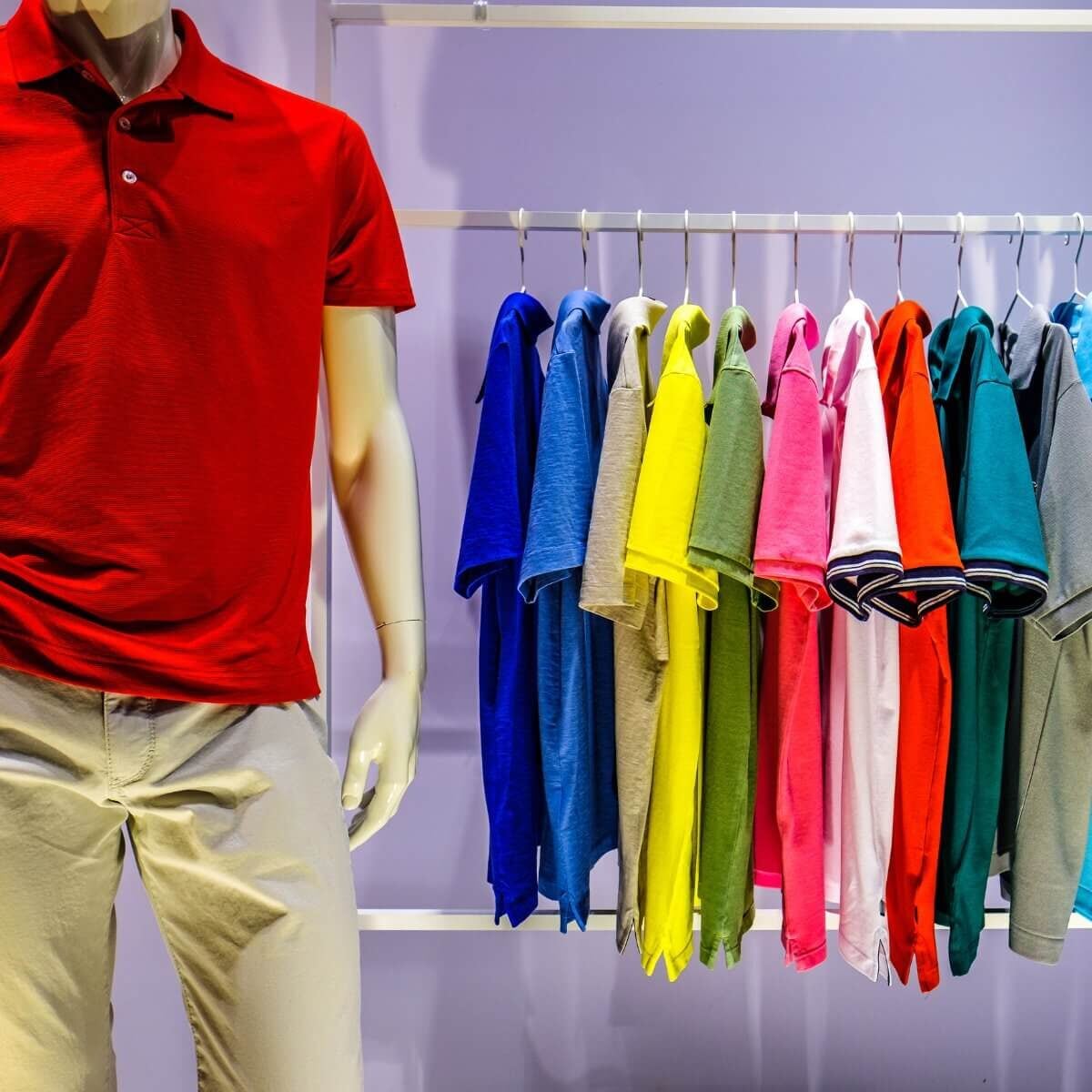
A front desk polo is worn indoors, under lighting, and seen at conversational distance. It needs a collar that holds its shape, a placket that lies flat, a colour that photographs well and a fabric that resists the crease of a long shift. A poolside polo is worn outdoors in sun, may be wet, and is seen at a distance; it needs to handle UV, salt or chlorine exposure and repeated washing, and it can carry a bolder colour because nobody is reading a name badge next to it.
Those two sets of conditions point at different fabrics, and the same pattern can be developed in both. That is the useful shape of a uniform programme: one silhouette, two or three fabric routes, one colour story.
The role matrix
Build the matrix before the first sample. Each row is a role, and each column is a decision the role forces.
| Role | Wear conditions | Fabric direction | Care reality |
|---|---|---|---|
| Front desk | Indoors, close range, photographed | Pique with a firm collar | Frequent light washing, pressing |
| Food and beverage | Indoors or terrace, spills, movement | Pique, darker colours | Frequent washing, stain risk |
| Housekeeping | Indoors, bending, close to surfaces | Durable pique, easy care | Heavy washing, abrasion |
| Poolside and spa | Outdoors, sun, water, chlorine | Performance knit, colourfast | Rinse and wash, UV exposure |
| Golf and activities | Outdoors, movement, sun | Performance knit, stretch | Frequent washing, odour control |
The care column is the one that decides most of the cost of ownership, and it is the column most often left out of a uniform brief.
Fabric: pique and performance
A pique polo is the default for indoor roles because the texture hides a crease, the collar holds, and the fabric looks right under interior lighting. A performance polo is the default for outdoor roles because it handles moisture, dries faster and keeps its colour in the sun.
The trade-off is real. Pique reads more formal and feels heavier; performance fabric reads more technical and can look shiny under the wrong light. A property with both a lobby and a beach club usually needs both, and the two should share a colour standard so the staff look like one team from a distance.
Weight is the third variable. A heavier pique photographs better and hides more, and it is warmer for a lobby in winter; a lighter knit dries faster and suits a humid climate. Match the weight to the building’s climate and to the length of a shift rather than to the season’s look book, and put the figure in the specification so a repeat order can be compared.
Colour across the roles
One colour programme, several fabrics, is the hardest part of a uniform range. The same colour on a pique and on a performance knit will not match exactly, because the fibres and the dye routes differ, and the difference shows most in the lighter shades.
The practical approach is to approve a colour per fabric against the same standard, then check all the fabrics together in the light where they will be seen. If the range must match exactly, choose a darker colour, where small differences are less visible, rather than a pale one where they are not.
Logo and placement across roles
A logo polo is the most photographed item in a uniform range, and placement has to work for every role at once. The chest is the standard, and it should sit at the same height on every size and every role so staff standing together look consistent.
Embroidery is the usual method for a hotel mark because it survives repeated washing and reads as a permanent part of the garment. The sample should be checked on a wearer and washed, because the backing and the placement both matter more than the artwork file suggests. Where a role needs a name badge or a pin, allow space for it and check that the embroidery does not crowd it, then check the placement again on the largest size, where the pocket line sits closest to the mark.
Sizing and distribution
Uniform sizing is a distribution problem as much as a fit problem. Build a size set from the actual staff measurements, not from an assumption about a standard size, and add a fit trial in the departments that move most.
Then plan the packing. Boxes or bags by department and by size make the delivery usable; one mixed carton makes the receiving team repack everything. Mark the outside with the department, the size and the quantity, and keep the packing list line for line with the carton marks.
Replenishment and turnover
Hospitality staff turn over, and a uniform programme that cannot be replenished becomes a mismatch within a season. Keep the approved fabric and colour on file, and ask how a repeat order will be matched rather than assuming it will be identical.
Two practical points help. Order a small reserve of each size in the first run, so a new starter can be dressed without waiting for a production cycle. And keep the logo file and the placement specification with the style, so a top-up order can be made without re-approving the mark.
Ask for a repeat order to be quoted at the same time as the first order. A supplier who prices the top-up in advance has thought about continuity; one who treats it as a new project has not, and the difference appears when a second season needs the same polo in a hurry.
The specification checklist
- Role and wear conditions, written per row of the matrix.
- Fabric direction per role, with the collar construction named.
- Colour standard per fabric, checked together in the light of use.
- Logo file, placement, size and embroidery backing.
- Size set from real measurements, plus a fit trial.
- Packing by department and size, with matching carton marks.
- Care instruction that matches the wash the property will use.
Seven lines, one page, and the range becomes something a supplier can quote and a housekeeping manager can receive. The golf polo programmes for resort activities follow the same logic with a different fabric, and the same checklist applies to both.
Where uniform programmes go wrong
Three failures repeat. One fabric for every role, which suits the lobby and fails the pool. A colour approved on one fabric and applied to another. And packing mixed by carton rather than by department, so the delivery arrives as a pile rather than a uniform.
Each is a specification decision taken too early or not at all. A role matrix and a per-fabric colour approval close all three, and they cost a meeting rather than a season of complaints.
FAQ
Should every department wear the same polo?
Only if every department works in the same conditions. A single fabric usually means one role is uncomfortable and another is under-protected. One silhouette in two fabric routes keeps the look while serving both.
Can we match a colour across pique and performance fabric?
Closely, but not exactly, because the fibres and dye routes differ. Approve the colour per fabric against one standard, check them together in the light of use, and choose a darker shade where the difference matters.
How many sizes should a hotel stock?
Enough to cover the real spread of the staff, plus a reserve in the middle sizes. Build the set from measurements rather than from a standard chart, and keep a small reserve so a new starter can be dressed quickly.
Which logo method suits a hotel polo?
Embroidery, for most properties, because it survives repeated washing and reads as permanent. Check the sample on a wearer and after a wash, since backing and placement matter as much as the artwork.
Sources: OEKO-TEX Standard 100, EU Regulation 1007/2011, Intertek, Higg, US CBP and The Woolmark Company.
Working on a knitwear project?
Let’s talk yarn, gauge and timing.
Send a reference or tech pack and we will come back with a practical development route.

