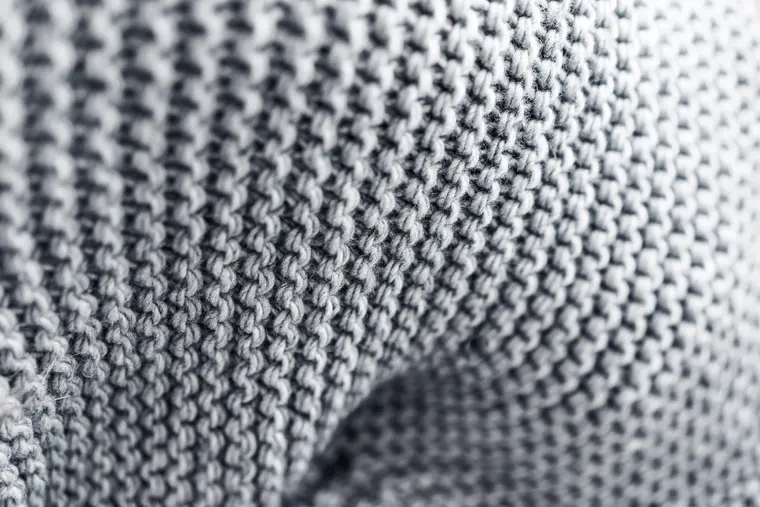
Two quotes, same factory, same week: a crewneck sweater and a button-through cardigan, both 100% cotton, both knitted. The buyer assumed the cardigan would clear customs under a different code because it opens at the front. It does not. Both sit in the same HS heading, and the line that changed the duty was not the closure — it was the fibre.
This is one of the few places where a small classification detail is worth real money, and where the intuitive answer (different garment, different code) is usually wrong.
What the HS actually does with knitwear
Heading 6110 of the Harmonized System covers “jerseys, pullovers, cardigans, waistcoats and similar articles, knitted or crocheted”. Sweaters and cardigans are named in the same heading. The six-digit subheadings below it are split by fibre, not by whether the garment has buttons.
| Subheading | Fibre | Typical products |
|---|---|---|
| 6110.11 | Wool | Wool sweaters, cardigans, pullovers |
| 6110.12 | Cashmere (Kashmir) goats | Cashmere sweaters and cardigans |
| 6110.19 | Other animal hair | Alpaca, mohair and similar |
| 6110.20 | Cotton | Cotton sweaters, cardigans, knit tops with sleeves |
| 6110.30 | Man-made fibres | Acrylic, polyester, viscose blends |
| 6110.90 | Other | Remaining fibre compositions |
So the first classification question is not “sweater or cardigan” but “what is the fibre composition by weight”. A cotton cardigan and a cotton sweater share a subheading. An acrylic cardigan and a wool sweater do not, and the duty difference between those two lines can be larger than the difference between any two garment types.
Where garment type does matter
Two places, both below the six-digit level.
- National tariff lines. The EU’s TARIC and the US HTS add digits that can split by garment type, gender or knit type. The rate you actually pay may differ between statistical suffixes, even though the six-digit code is the same.
- Origin and preference. A free trade agreement may set a product-specific rule that treats pullovers and cardigans the same, or requires a change in tariff classification that depends on the subheading.
That is why two shipments with the same six-digit code can pay different duty: one was classified under an 8- or 10-digit line with a different rate, or one claimed a preference the other did not.
The fibres that move the rate most
| Composition | What changes | What to watch |
|---|---|---|
| 100% cotton | Own subheading | Blends with a small synthetic content can move the line |
| Cotton-polyester blend | Classification by the fibre that predominates, per the section notes | A 50/50 blend needs the rule applied carefully |
| Wool or fine animal hair | Separate subheadings; often different duty | “Merino” is wool, not a separate subheading |
| Man-made fibres | Usually the highest duty band | Viscose, acrylic and polyester all fall here |
| Mixed with metal thread or elastane | Can change the classification logic | Small percentages can still matter |
Verify the current rate in the official schedule for the destination market rather than relying on a rate quoted in an article, including this one: tariff schedules change, and preferential rates depend on documentation.
Why this shows up as a DDP problem
Under DDP the seller clears the goods, and the buyer often never sees the code. If the classification is optimistic — a cotton cardigan declared under a cheaper line, or a blend declared as a single fibre — the exposure sits with whoever is named on the entry, and the correction can arrive months later.
That is the same mechanism described in our DDP duty allocation guide: the price bundles the duty, but the liability does not bundle with it. If you are choosing between FOB and DDP, the first-order comparison covers the trade-off.
How to check a code before the order ships
- Get the composition by weight from the yarn specification, not from the marketing name.
- Identify the six-digit subheading from the fibre, using the HS explanatory notes where the blend is close.
- Check the national line in the destination tariff, including any statistical suffix that splits by garment type.
- Ask the factory which code it will declare, and compare it with yours. A difference is a conversation, not necessarily an error.
- Keep the reasoning — composition, subheading, national line — in the order file, so a later query can be answered without reconstructing it.
The blend trap
Blends are where most classification disputes start. A 60/40 cotton-polyester sweater is not a cotton sweater for tariff purposes if the rule points to the predominant fibre, and a 50/50 needs the section notes applied rather than a guess. The same garment can also be classified differently if a lining, a coating or a trim changes its essential character.
The invoice description has to match the code
A correct HS code on an invoice that describes the goods as “knitted garments, assorted” is still a query. The description should name the garment and the fibre in the same words the classification assumes: “women’s knitted cotton cardigan” supports 6110.20; “assorted knitwear” supports nothing. If you want the checklist for the rest of the document, our guide to the commercial invoice and packing list covers the fields that customs actually reads.
If the design uses a fibre mix to hit a price, check the duty consequence at the same time. A cheaper yarn can be more expensive at the border.
FAQ
Do sweaters and cardigans have different HS codes?
At the six-digit level, usually not: both fall under 6110. Differences appear at national tariff lines, where garment type can affect the statistical suffix and sometimes the rate.
Does the fibre or the garment type decide the duty?
The fibre decides the subheading, which is where most of the rate difference sits. Garment type can matter at the national level, but it is secondary.
Can a 5% elastane content change the code?
It can, depending on the section notes and the national line. Small percentages are not automatically irrelevant; check the rule rather than assuming.
Who is liable if the code is wrong under DDP?
The party named on the customs entry carries the customs liability. The contract may allocate the cost to the seller, but it does not change who the authority pursues.
Sources: WCO HS nomenclature, UK Trade Tariff, and US CBP duty guidance.
If you are quoting a knitwear order and the classification is still open, send the composition and the destination. We will tell you which line we would declare and why, before the goods are packed.
Working on a knitwear project?
Let’s talk yarn, gauge and timing.
Send a reference or tech pack and we will come back with a practical development route.