When you learn how to store cashmere sweaters, pay particular attention to the last wear of the season. A small mark inside a cuff or a seam that still feels cool and damp can be missed when the sweater is folded quickly into a drawer. Start getting it ready for storage while you have time to inspect and dry it.
Last updated: November 24, 2026
How to store cashmere sweaters
Check the sweater for soil and clean it as the care label directs. Once the knit is fully dry, fold the body and sleeves without stretching them, support the folded garment on a shelf or in a clean container, and keep it in a dry, dark place. Inspect the garment and storage area periodically.
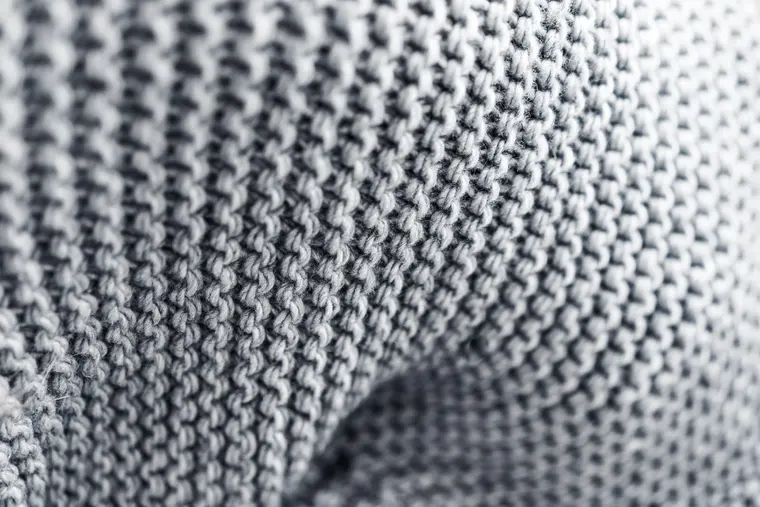
Prepare the sweater for storage
Open the sweater in good light and look at the neckline, underarms, cuffs and any pocket. Check both sides of the fabric for marks, loose loops or existing holes. Take a quick picture of anything you want to monitor. A picture taken before storage helps you identify new damage when you bring the sweater back into use.
Use the cleaning and drying method on the care label. Cashmere blends and embellished knitwear can have different requirements, and a sweater with buttons or decorative trim needs attention at the joins. Feel along the cuffs and seams after drying, because the thicker areas can take longer than the unbroken body. Woolmark’s wool garment care guidance provides a practical reference for handling delicate knits during washing and drying. For an individual cashmere sweater, the label and the maker’s garment-specific instructions are the place to start.
When you put the sweater away, make the next inspection easy. Position it near the top of the stack, with the garment label accessible. Make a note of which shelf or box holds items that are wool, cashmere or blends. At the first check, lift the sweater out and look at the side that faced the shelf as well as the surface that was visible. Inspect the folds, the underside of the collar and the storage corners. If a neighboring garment shows damage, examine the whole group before moving any of it back into the everyday wardrobe.
Before the first wear after storage, open the garment on a clean surface and let it air. If a shoulder sits unevenly, refer to the original shape before tugging at it.
Fold it so the knit supports its own weight
Lay the sweater flat. Bring the sleeves in across the body so that no cuff sticks out of the fold. Fold the body loosely to fit the shelf, avoiding a hard crease through a raised cable, button or other trim. Use a wider shelf or box if the sweater only fits when you roll it tightly.
The Canadian Conservation Institute’s textile storage guidance explains why flat support helps protect textiles from the stresses of hanging and sharp folds. You can apply the same principle at home by putting the cardigan down on a shelf, moving heavier clothes off the top and giving broad collars room to lie flat. An everyday sweater needs practical support and a clean storage space.
Choose a dry container and check what is inside
Use a clean drawer or a clean container that protects the sweater from dust. If the container closes, dry the garment completely before you close it. Keep it out of bright light and away from places with persistent damp. Clean shelf corners and behind nearby furniture before putting the sweater away. Keep worn clothes waiting for cleaning out of the same container.
Inspect the sweater and its surroundings when you rotate the seasonal wardrobe. If you find fresh holes, webbing, or live insects, separate the item from other animal-fiber garments and check the rest of the drawer and closet. University of Minnesota Extension’s clothes moth identification guide can help you check what you found. The shape of a hole by itself is a poor basis for identifying the cause. A snag can start at a zip, jewelry clasp or drawer edge.
Brands adding storage advice to a card for custom cashmere sweaters should confirm it against the final garment. Check the cashmere development checklist for what to approve at sampling and use the care label symbol guide to keep cleaning instructions consistent with the label.
Questions about keeping cashmere in storage
Should I hang or fold cashmere?
Fold it for seasonal storage. Give the fabric room to settle and support the whole sweater. A narrow hanger can concentrate body weight at the shoulders over time.
Can I put cashmere into a closed box?
Start with a clean box and a fully dry sweater. Use a box with enough room for the sweater to lie without tight compression, and open it at intervals to inspect the contents.
What if I find a new hole when I take it out?
Isolate the garment until you look at the surrounding textiles and check for insect activity. A knitwear repairer can help distinguish a loose loop from missing yarn and assess what can be repaired.
Working on a knitwear project?
Let’s talk yarn, gauge and timing.
Send a reference or tech pack and we will come back with a practical development route.


