Use a cooled print and a later check on the same fabric lot to distinguish immediate show-through from dye migrating into the ink. A screen printer on Reddit was trying to understand how to use a polyester dye blocker. Buying the blocker settles only one part of that decision. Start by confirming what went wrong: whether the ground was visible through the print as soon as it cooled, or whether the printed surface developed a tint after the heat process. Keep the original sample and record when the change first appeared.
Last updated: November 28, 2026
Why did white ink take on the garment color?
Compare the print after cooling and after a hold
Look at the sample as soon as it has cooled, and again after the agreed hold period in consistent light. Note whether the color change stays around a thin or missed part of the design, or appears across a solid area. Check the garment color, fiber specification, finish and dye lot where those records are available. Those observations narrow the next comparison. Timing can guide the next check. A tint that is already present after cooling can still warrant a migration trial, and delayed tint alone does not prove the cause.
Avient’s performance-wear print guidance describes how dye from polyester fabrics can migrate during decoration and discusses inks selected for this risk. Its screen printing test-procedure overview describes product testing before production. Ask your decorator to use the method, hold conditions and assessment appropriate to the proposed ink system. Record the actual times used rather than promising that a specific number of hours will clear every fabric.
Set up a same-lot comparison for the next strike-off
Use cut pieces or sample garments from the same color and lot. Ask for the current approved or baseline ink stack and the proposed production stack on adjacent pieces. Preserve which trial received which underlayer. Keep the design, the fabric and the other relevant process variables as comparable as the trial permits. Where the ink systems specify different cure conditions, record those differences and follow each supplier’s instructions. An altered temperature or drying method can change both migration and ink cure, so an unexplained switch makes the result harder to interpret.
Assess the two pieces after cooling and again after the agreed hold. Photograph them together with a white reference under the same light. Ask for prints of the intended solid and fine-detail areas. An extra layer can change how the mark feels, how well it stretches or how the edge looks. Avient’s Wilflex blocker product guidance is for specified ink systems. Have the decorator check compatibility and cure before changing the production stack or introducing a different ink chemistry.
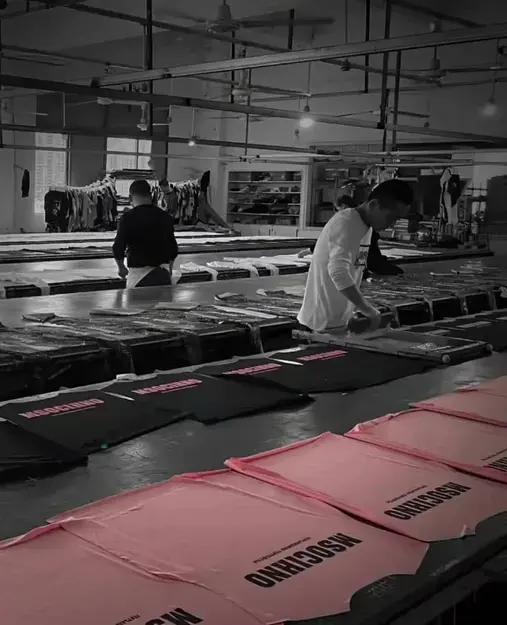
What we check before approving the printed garment
Retain an undecorated fabric piece with the trial records. Compare the front and back of that reference with the trial garments if the color shift appears only in one area. Record the actual face on which the decoration was applied, especially if the fabric has different surfaces.
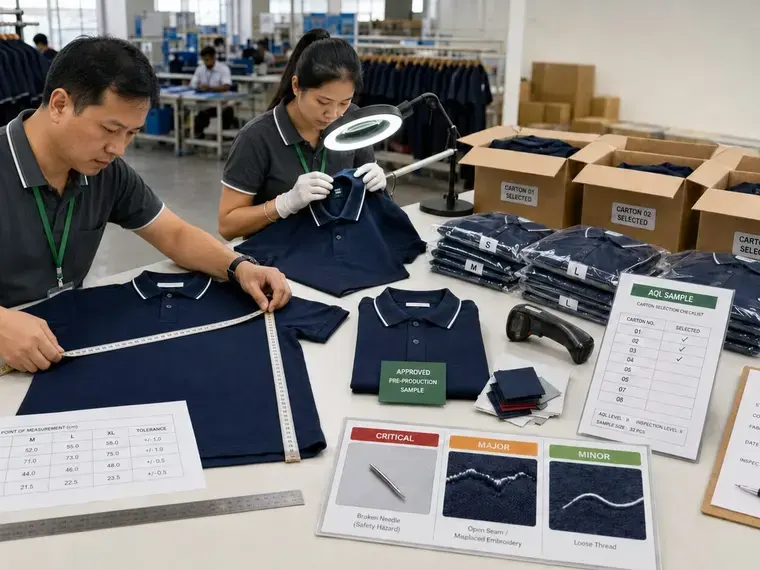
In our custom logo T-shirt program, we check a physical decoration sample on the intended garment before bulk. Bring the background fabric and decoration together at that checkpoint. For a light print on a performance fabric, submit both trial surfaces to the buyer and retain the accepted sample with its ink and fabric references. If the desired print changes, rerun the relevant check before transferring approval to another fabric.
For neighboring dark cotton and polyester styles, agree which issue the buyer actually sees. Our black T-shirt underbase guide covers the problem of a dark background visually showing through. The time-and-lot comparison here concerns a print that changes after processing. Check both when a design includes dark fabric and light ink.
What to ask if the print still fails
The colors look different only in photographs
Put the prints side by side under the same light and bring a physical reference. Camera exposure can make two white inks appear different. Preserve the photo as a record of the paired observation and describe what the eye can see in that setting.
The blocker improves the color but the logo feels heavy
Ask for a sample that uses the same artwork and fabric with the proposed adjustment. Assess color, stretch and hand together. If the wear position needs to flex, pull the fabric gently in that direction within the agreed sample check. A sample approved for color alone does not settle hand or appearance on stretch.
The reorder uses another dye lot
Ask for a new comparison when the fabric lot or finish changes and the decoration is sensitive to color migration. Preserve a reference piece from the accepted run so the new result can be seen alongside it.
Send the print and fabric references
Share the fabric lot or sample, artwork, current ink approach and photos taken just after cooling and after the hold. Send your print sample notes.
Working on a knitwear project?
Let’s talk yarn, gauge and timing.
Send a reference or tech pack and we will come back with a practical development route.