Wet-finish a small swatch in the same dark and light yarns to see whether the light stitches stain before immersing the sweater. A knitter on Reddit had reached the first blocking and asked whether a color-catching sheet would keep the darker yarn from bleeding into the lighter band. First look for an offcut or leftover yarn from the same lots. A sheet that picks up color, or colored water in a basin, tells you that color moved into the water. The more important question is whether it deposited on the light yarn where the colors actually touch.
Last updated: November 28, 2026
What can you check before getting the sweater wet?
Compare a mixed swatch with an unchanged light reference
Make a small section containing both colors, as placed on the garment. A stripe or band should touch the lighter fabric at the same boundary. If the same yarn carries behind a pale motif, include enough of the pattern to reproduce that structure. Keep an untreated light offcut aside and label it. Where yarn is scarce, make the smallest test that includes the join and leaves a small unchanged reference.
Use a procedure compatible with the yarn or finished product care instructions. Record the water, detergent if used, handling and drying conditions. Once dry, compare the light yarn in the treated swatch with the unchanged light reference in consistent light. Check the contact points and an area further from the join. Examine the face and reverse. A dark float that shows between pale stitches without leaving color on the yarn calls for a construction check. A tinted pale stitch next to a dark area, compared with an unchanged reference, is a different observation.
Decide what a color-catching sheet can establish
If you want to assess a laundry aid, test a second comparable swatch with the aid and record any differences. A domestic comparison can show what happened on those pieces in those conditions. It does not establish the performance of a larger knit, a different dye lot, or a different care process. If the result matters for a finished range, confirm the procedure with the supplier or lab and preserve a physical sample in each relevant color combination.
ISO 105-C06 covers resistance of textile colors to domestic and commercial laundering. ISO 105-X12 covers resistance to rubbing and staining other material during rubbing. Ask the lab which exposure represents the buyer’s use. A sweater can be checked for wet-care transfer and for friction separately. For US care language, see the FTC’s Care Labeling Rule. The retail instruction needs a reasonable basis for the finished item, including details that can affect care.
How we check a two-color jacquard reference
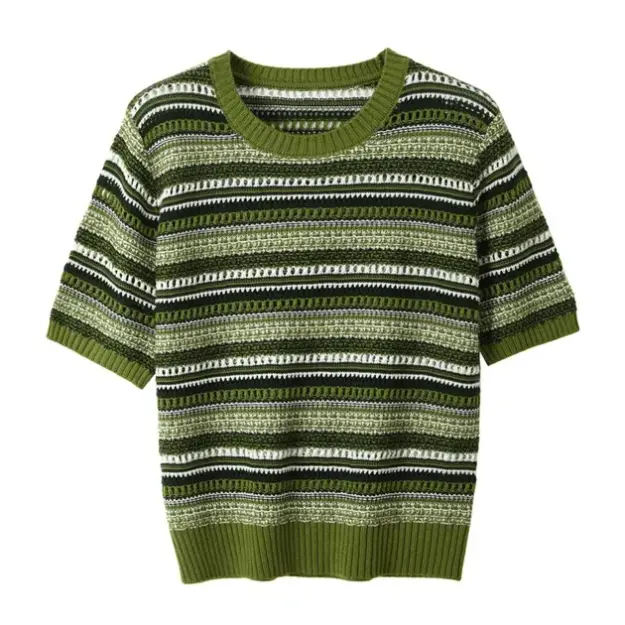
Our custom jacquard sweater development starts with yarn and artwork choices and checks a physical knit reference before going into garment approval. When the brief includes a pale band or contrast motif, specify that the yarns in the care sample have to reproduce the planned contrast and contact. Check where rib, body fabric and trims meet. Those joins can sit together in use or washing even when the main design does not.
Ask for the color mapping and production yarn references on the report, together with the method and conditions. Keep a known acceptable sample beside the next trial. Our colorfastness test selection guide explains which formal exposure belongs to different complaints. The mixed swatch gives you a useful way to identify the precise contact and lot you want the lab to investigate.
Keep the fabric condition with the record. A wet pale yarn can look darker than its dry counterpart. Wait for both reference and sample to dry before deciding whether the mark remains. Use the same light to check the outer face the customer will see and the side that contacts pale material.
What to do if the first comparison is unclear
The bath was colored but the dry light band looks unchanged
Document both observations and keep the swatch. Inspect the join and the pale area under consistent light. For an order where one staining incident would make the style unwearable, confirm the result on the production-intended combination with the agreed lab method and acceptance criteria.
The first swatch left a visible mark
Pause before using the same treatment on the sweater. For your own garment, check what care methods the yarn allows, or ask a suitable textile care professional. For a development sample, revise the color or lot that failed and repeat the mixed comparison before approving the style. If change is impossible, discuss whether an alternative design or a supported care instruction can meet the buyer’s needs.
The sleeve stripe and body motif use different yarns
Include both combinations where they can touch pale material. Approving one stripe doesn’t cover a similar-looking shade in a different yarn or trim.
Send the exact color combination
Share the yarn references, a photo of the contrast area, the intended care and any result from an untreated versus treated comparison. Send your jacquard color and care brief.
Working on a knitwear project?
Let’s talk yarn, gauge and timing.
Send a reference or tech pack and we will come back with a practical development route.