
Use these nine questions to choose a knitwear manufacturer and decide which supplier has shown enough evidence to commission a paid sample.
Last updated: November 26, 2026
Price per piece matters, but it is a poor first filter. Before you compare quotes, use these nine questions to understand how a factory actually works.
1. Are you knitting, or coordinating?
Some suppliers are trading companies that place your order with a knitting floor. That is not automatically a problem, but you should know who controls the sample, the yarn booking and the quality decision. Ask where the knitting, linking and finishing happen, and who signs off the pre-production sample.
2. Which gauges and yarns do you work with every week?
Ask which machine gauges the supplier regularly runs and which yarns it can book for your window. A shop that handles coarse cables and a fine-gauge specialist may have different equipment and finishing experience. Ask for a recent sample made with a structure comparable to yours.
3. What is the real MOQ?
MOQ is usually a function of yarn dye lots, machine time and finishing setup — not an arbitrary number. Ask whether the minimum applies per style, per colour or per yarn. Then ask what changes if you consolidate colours or use a stock yarn.
4. How will we approve hand-feel?
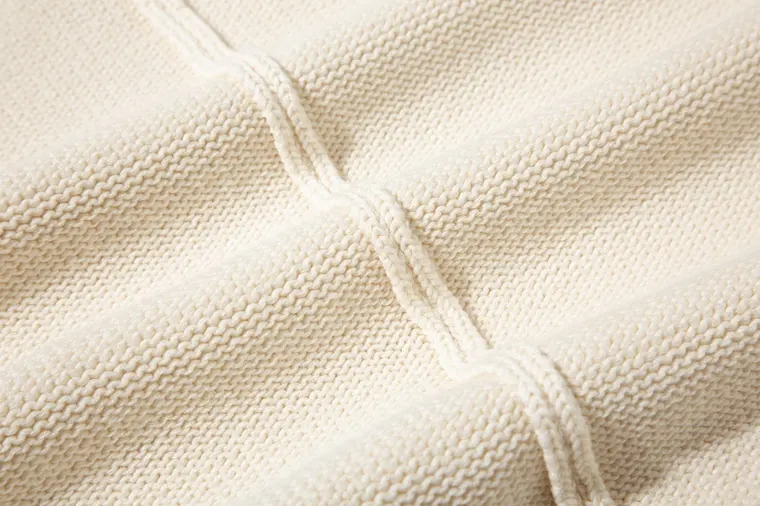
Approve touch, body and surface on physical knit material. Ask whether a separate swatch is included or whether you will review those features on a finished sample. Confirm the colour reference and whether the sample and bulk will use the same yarn lot.
5. Who owns the pattern and tech pack?
Clarify ownership of measurements and artwork supplied by each side. List which pattern files or programs the supplier will deliver and what the buyer may use on later runs. Agree confidentiality and reuse in writing. WIPO guidance on supplier IP explains how to handle existing assets and work developed for the order.
6. What is the sampling timeline — and what can delay it?
Ask for the timeline from approved brief to swatch, and from swatch approval to fit sample. Then ask what commonly causes delays: yarn availability, artwork files, trim sourcing or approval feedback. A realistic partner will name the bottlenecks rather than promise a perfect date.
7. How is bulk quality controlled?
Ask about yarn checks, first panels, in-line measurements and the final inspection plan. Ask who can stop the run if results drift and whether you receive a report and pictures. Agree the sampling method, defect definitions and acceptance criteria for the product.
8. Which certifications and tests can you support?
List any retailer, legal or voluntary programme requirements separately. If you want to make a claim under OEKO-TEX®, GRS or RWS, ask which material, product and supplier documents support that specific claim before approving the yarn.
9. What happens after the first order?
A good first order is a prototype for a repeat order. Ask how the factory stores your approved sample, yarn references and packing specification. Will the second run use the same yarn lot? How are reorders scheduled around peak season?
The best signal is not a polished catalogue. It is a supplier who asks about your customer, your hand-feel target and your launch date before quoting a price.
Red flags worth noticing
- A quote that arrives without any question about yarn, gauge or quantity.
- No agreed physical reference for approving hand-feel before bulk.
- Vague answers about who owns the production floor.
- MOQ, lead time and price that change repeatedly without explanation.
- Reluctance to put sampling and approval steps in writing.
What would make you approve or hold the sample order?
Send shortlisted suppliers the same design revision and quantity split. Ask each one to answer in the same form: quoted option, evidence they can provide, and any open decision that changes the cost or date. If one bidder allows a stock yarn while another includes custom dyeing, keep both quotes open until you understand how each option meets the brief. The unit prices alone cannot tell you that.
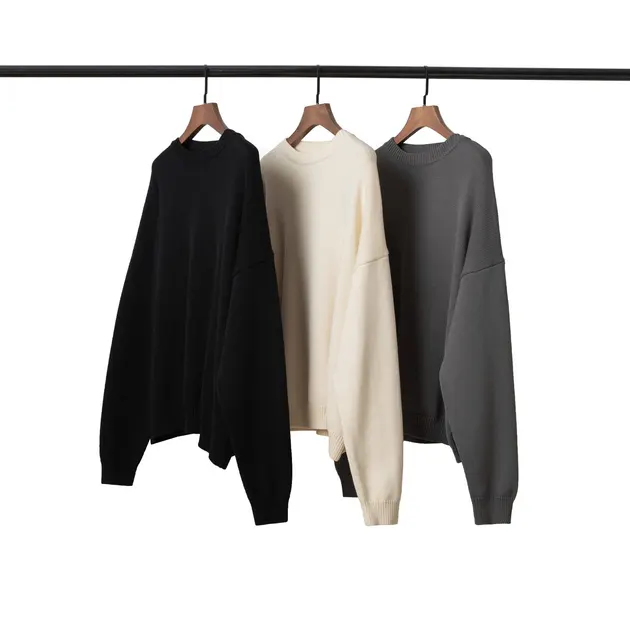
| Buying concern | Ask the supplier to show | Hold if |
|---|---|---|
| Material and minimum | Yarn reference and whether a minimum applies by style, shade or yarn booking. | The offered yarn or quantity split is still unclear. |
| Sample scope | Which swatch, fittings, revisions and courier charges are included. | The quote leaves it unclear which approval sample you receive. |
| Fit and quality | Measurement points, tolerances and a retained sample or inspection reference. | No one can describe what a pass looks like for your style. |
| Responsibility and timing | Who owns each step and what starts the sample or bulk clock. | The date assumes material is ready but no one has confirmed it. |
| Files and repeat orders | Revision identifiers, deliverable formats and record-retention terms. | A repeat is quoted without knowing which material and fit will be reused. |
Look at what each piece of evidence can establish. A machine list tells you where a candidate might run. A physical comparison shows how that candidate yarn and construction work together. A written production quote tells you what the factory is offering for that specific order. If the quote has a yarn substitution allowance, name any characteristics that still require buyer approval, such as blend, surface, weight, shade or the specified finishing route.
A commercial answer needs an approval trigger. Ask whether the supplier starts sampling when a brief is received, when the yarn is booked or when a separate fee is paid. Ask when a fit correction restarts lead time, and whether the factory’s dispatch date includes inspection and packing. Mark who responds to questions about shape or colour. Without a named approver, a sample can reach the buyer on time and wait long enough to move the bulk schedule.
Read a supplier’s route against a documented production example
Our private-label knitwear development describes reviewing yarn, gauge and hand on a swatch, then fit and the pre-production standard in later steps. The published Cable-Knit Holiday Collection shows another checkpoint: the first production panels were reviewed for stitch clarity before the run went ahead. For a cable programme, you can ask the factory to show who evaluates that first panel and which approved physical reference they will use.
That question works for a supplier coordinating several workshops as well. Ask which entity must correct a rejected panel, where corrected samples are sent and who authorises the bulk restart. If an outside finisher changes the hand or dimensions, agree which physical piece returns to the buyer. The organisation matters because it controls when a decision is recorded and who can enforce it.
Agree whether the shipment sample should use the production shade and final label. For a retailer programme, give the supplier the intended markets and which checks the retailer will request. Describe which records belong with the lot in the fibre content verification guide. In the first production budget, associate each test or sample with its own quote line so an optional check cannot silently disappear when you compare prices.
When the supplier returns a sample scope, read it in order, from material booking through fit, labels and dispatch. Flag one unresolved assumption at a time so each answer can change a decision. If you accept a shade alternative or a different finish for the first sample, write down whether it is approved for bulk or only accepted for the prototype. Keep rejected variants distinct from the final reference.
Finish by asking who holds the approved sample after delivery. If the brand intends to repeat the style at a different site, ask which files, test reports and finished measurements can be shared and what must be developed again. Have the factory list any change that would trigger reapproval, including a change of yarn quality, pattern site, finishing house or a material substitution. Check those points before the first purchase order, when both parties can still reflect them in the price and handover terms.
What to include in your first message
You do not need a perfect tech pack. A reference image, target quantity, size range, yarn direction and delivery date are enough to start a useful conversation. If you have a sample, describe what you like and what you would change.
FAQ
Should I request the same sample from every supplier?
Ask for comparable evidence on the same brief. If the available yarns differ, record which requirements each candidate must meet and which options are still open.
What if a supplier will not share another brand’s paperwork?
Ask for a blank form, anonymised example or a record for your own sample. You need to understand the process and approval reference without seeing another buyer’s confidential information.
Can I pay for development before a bulk quote is final?
Confirm what the sample fee buys, the acceptance criteria and the assumptions behind any preliminary bulk quote. Keep permission to review the final quantity, terms and price when the development choices are settled.
Send your brief for a sampling scope review. Include the style, destination market, intended yarn, target quantity by colour and when you need an approved sample.
Working on a knitwear project?
Let’s talk yarn, gauge and timing.
Send a reference or tech pack and we will come back with a practical development route.


