
Two briefs arrive in the same week. The first asks for a soft merino crewneck in ivory, twelve gauge. The second is a set of merino sweater sourcing specifications: fibre diameter band, count and ply, gauge, stitch, finished weight per size and a pilling requirement. Both describe one sweater, and only the second can be quoted without a conversation, sampled without a surprise and checked on arrival without an argument.
The first brief is not careless. It is written in the language a buyer uses with their own team, and most inquiries arrive in it. The gap is that a factory prices yarn, machine time and finishing, and none of those words appear in the sentence.
Merino sweater sourcing specifications: the short answer
A merino sweater specification needs six fields: fibre composition with a mean diameter band, yarn count and ply, gauge, stitch, finished weight per size, and a pilling requirement. Those six decide hand feel, drape and price before a sample is cut. A brief without them can be quoted, but not compared.
None of the six is a formality. Each closes a question that otherwise reopens at the sample review, when the garment already exists and the answer is expensive.
The file that started this page
The programme began with three lines: merino, ivory, twelve gauge. Sampling was quoted against them because there was nothing else to quote against. What came back was merino, ivory and twelve gauge, and it was not the sweater on the mood board. It sat flatter, felt drier at the neck, and weighed less than the reference the buyer kept in a drawer.
None of that was a factory failure. Two yarns can both be merino, both be spun to the same count, and still knit into garments that feel unrelated. The difference sits in parameters that never reached the brief.
Fibre diameter, count and ply: three parameters, one feel
Mean fibre diameter decides prickle, because finer fibres bend more easily at the skin. The mean is not the whole story: a yarn with a wide spread of diameters feels harsher than its average suggests, so ask for a band rather than a single figure, and for a coefficient of variation where the mill reports one.
Fibre length decides how the yarn behaves after knitting. Longer fibres spin into smoother, stronger yarns with fewer ends standing off the surface. Short fibres work loose under abrasion, and that loose fibre becomes pilling. Two yarns of equal diameter and different length are different products.
Count and ply describe the yarn: a count in Nm is metres per gram, so a finer count gives more length per kilogram, and a 2/28 Nm yarn is a twofold yarn from a 28 Nm single. Twist is the quiet parameter. Firmer twist reads drier and resists pilling; softer twist gives the rounded handle many buyers want in a crewneck, at the cost of surface stability. A cashmere programme trades those same parameters against a different fibre.
Gauge and stitch: why one yarn knits two different sweaters
Gauge counts needles per inch. At twelve gauge the stitches are small and the cloth is dense; at seven gauge the same yarn becomes an open, heavier fabric with a different drape. A buyer who names a gauge without a finished weight has specified the machine, not the garment.
Stitch structure moves hand feel and yarn consumption together. Plain knit is the leanest. Ribs use more yarn and pull the garment inward. Cables and links are hungrier still, because the stitch paths are longer and the machine runs slower, which is why a cable panel changes the cost conversation and not only the look.
Panel construction belongs here too. Fully fashioned panels are knitted to shape, so cutting waste falls and edges come out clean. Cut-and-sew panels are quicker to assemble and throw yarn away at the table.
What a merino specification should state
Six fields, plus the documents that prove them. This is the table we send before quoting a merino programme.
| Field | What to write | What it decides | Proof to request |
|---|---|---|---|
| Fibre composition | 100% merino wool, or the exact percentage split | What the label may say | Composition statement with the yarn lot |
| Mean fibre diameter | A band, not one figure, for example 18.5–19.5 micron | Softness and prickle at the neck | Mill test report on the yarn lot |
| Yarn count and ply | Count in Nm with ply, for example 2/28 Nm | Yarn thickness and consumption | Yarn ticket and lot reference |
| Gauge | Needles per inch, for example 12gg | Stitch size, weight and drape | Approved sample and swatch |
| Stitch structure | Plain, rib, cable or links, with panel placement | Hand feel and yarn consumption | Sealed swatch at the agreed gauge |
| Finished weight | Grams per garment by size, with a tolerance | Warmth, cost and shipping weight | Weight sheet signed with the sample |
| Pilling requirement | Method, cycle count and rating scale | Surface stability in wear | Test report on the bulk yarn |
| Certification | RWS, OEKO-TEX Standard 100 or GRS by requirement | The claim you are allowed to make | Scope and holder of the certificate |
Rows six and seven are the ones that get skipped, and the ones that decide whether a range survives a winter. A tolerance of about right cannot be inspected, and a pilling requirement of good cannot be tested.
Reading the yarn claim in front of you
Merino is a fibre description tied to diameter, not a brand and not a proof of quality. A yarn can be wool without being merino, and a blend can carry a small percentage of merino and reach you as a merino blend. The percentage is what belongs on the label and what the specification should fix.
Certification needs the same discipline. We can source OEKO-TEX Standard 100, GRS and RWS yarns by requirement, with traceability documents where available, which is a statement about the yarn rather than about the whole product. Ask for the scope and holder, and for a transaction certificate that names the lot.

Sample checks that catch the wrong yarn
The sample is the only place where a wrong yarn is still inexpensive to correct. Weight, measurements, hand and surface are all checkable before bulk, and each one maps to a field in the table above.
| Check | How it is done | What a failure looks like |
|---|---|---|
| Weight per garment | Weigh pieces from the sample lot against the sheet | Lighter than target: thinner yarn or looser stitch |
| Measurements | Measure at the agreed points, relaxed and after hanging | Growth at the body or sleeve, or a neck that opens |
| Hand panel | Three people, blind, against the sealed reference | A handle that reads drier or flatter than the standard |
| Pilling | Agreed method and cycles, rated on the agreed scale | A surface that fuzzes before the cycles finish |
| Wash stability | Domestic wash cycle, dried flat as the care label states | Shrinkage, felting or a changed handle after one wash |
| Colour fastness | Rubbing and washing against a multifibre strip | Bleeding onto trims or onto a lighter panel |
| Composition | Laboratory verification of the declared split | A percentage that does not match the yarn ticket |
The hand panel is the check most often skipped, and the only one that compares the garment to what the buyer wanted rather than to a number.
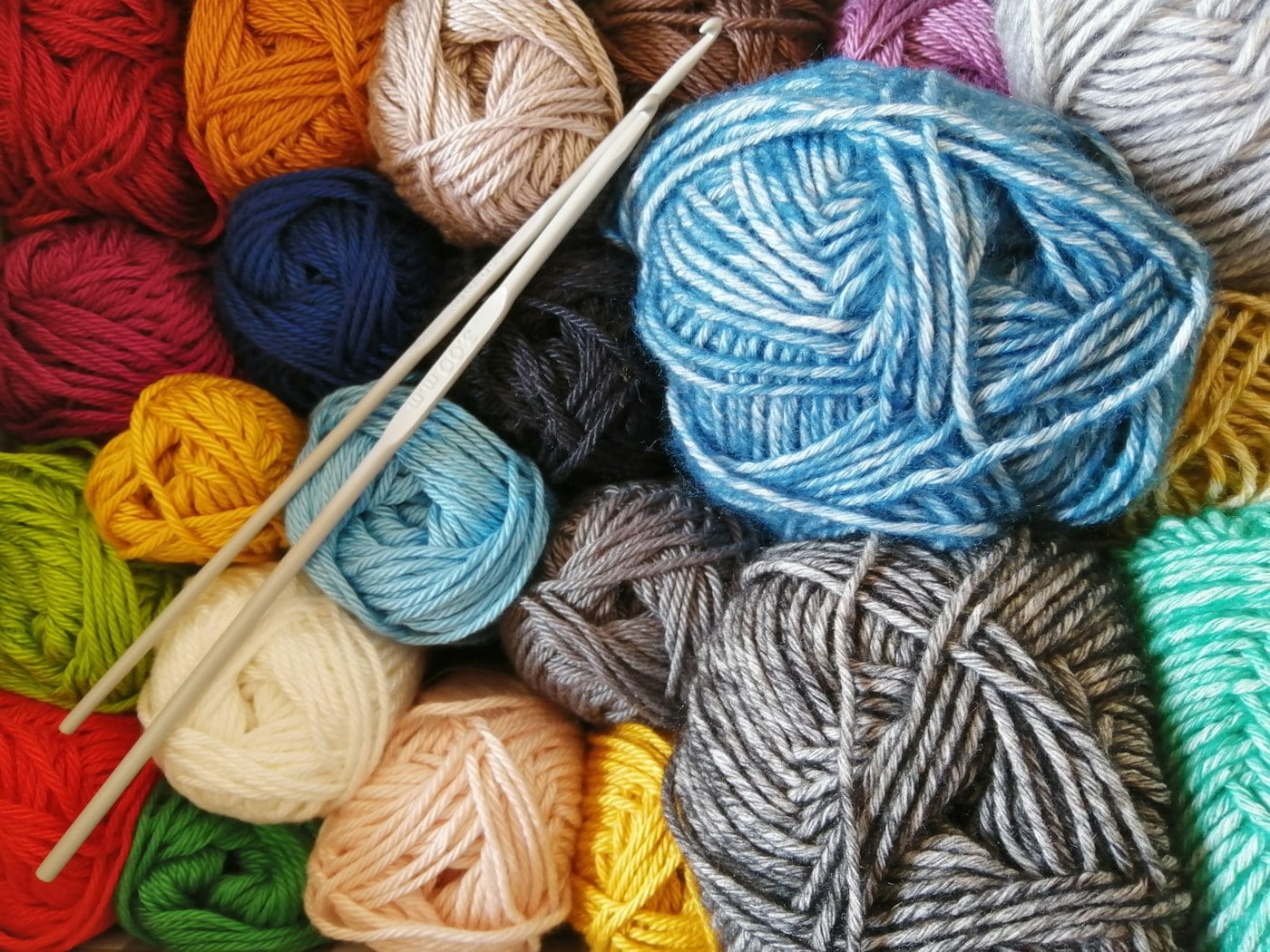
Finishing is where merino handle is made or lost
Finishing can undo a correct yarn. Washing and softening lift the fibres and give the garment its rounded handle; push too far and the surface is half-pilled before the first wear. Pressing and steaming set the shape and flatten the stitch. Drying under tension decides whether the panel returns to its measured width.
That is why the care claim belongs beside the specification. A garment tested to one wash cycle, labelled for another and sold into a market with its own care expectations is a claim waiting to fail.
What the retrospective changed
Three things changed, and none of them was a new machine. The brief now arrives with six fields and the proof behind them. The buyer keeps a sealed reference garment, so a hand panel compares against a standard rather than a memory. Comments come back in one batch with measurements, so a revision round stays one window instead of three.
The timing arithmetic is published: sampling takes 7–12 days after fabric and tech pack approval, and bulk production typically takes 20–35 days after sample approval. Both windows start at an approval, which is why an incomplete brief is expensive. At 300 pieces per style, the sample is the only cheap place to be wrong. The crewneck development page covers neckline and rib proportions if the shape is still open, and a style with a quantity is enough to start.
FAQ
Is 100% merino better than a merino blend?
Not automatically. A blend can add durability, change the drape or lower the cost of a yarn, and some blends handle better than a weak pure yarn. What matters is the percentage and the purpose: state both in the brief and let the sample decide.
Can a mill match a yarn from a photograph?
No. A photograph cannot carry diameter, length, twist or stitch density. Send the garment, or better a sealed swatch knitted at your gauge, and the yarn can be matched to something physical.
What does 2/28 Nm mean on a quote?
It describes the yarn, not the sweater: a twofold yarn spun from a 28 Nm single. It tells you the thickness and roughly the metres per kilogram. It says nothing about fibre diameter, which is the field that decides how the garment feels.
Do we need a Woolmark licence to sell merino sweaters?
Only if you want to use the Woolmark mark. Merino is a fibre description, and a sweater can be sold as merino without a licence. The licence governs the logo, and its conditions are separate from your fibre claim.
Sources: The Woolmark Company, OEKO-TEX Standard 100, Intertek, EU Regulation 1007/2011, Higg and Control Union.
Working on a knitwear project?
Let’s talk yarn, gauge and timing.
Send a reference or tech pack and we will come back with a practical development route.

