
Two sweaters on the same rail, the same chest measurement, and nothing else in common. One has the shoulder seam well down the arm, a body that ends at the hip and a sleeve that stacks at the wrist. The other is a regular crewneck graded up two sizes. The first reads as oversized; the second reads as borrowed, and the difference is proportion rather than size.
The comparison is the whole brief, and oversized sweater development is mostly a question of weight: the garment is built around its own mass, and mass is the parameter most briefs leave out. A pattern can be redrawn in an afternoon; a yarn and a gauge that hang the way the design needs take a sample round to confirm.
Why the retrospective starts with weight
What follows is a reconstruction of a common development rather than one client’s story. The first sample was a regular crewneck graded up: chest wider, length longer, sleeves lengthened but not widened. It measured as intended and looked like a mistake, because the yarn had not changed and the fabric could not carry the volume.
The retrospective finding was simple and unpopular: the block was not the problem, the fabric was. A mid-gauge merino at that volume hangs limp, and no amount of pattern adjustment makes a light fabric behave like a heavy one. The rebuild started from the yarn and worked back to the chart.
Oversized sweater development: the parameters that hold
Oversized sweater development is a weight problem before it is a measurement problem: the garment’s own mass pulls it down, so length, shoulder drop and sleeve width have to be set together with the yarn, the gauge and the finished weight. A chart alone describes a sweater standing still, and an oversized one never does.
Order matters. Choose the yarn and the gauge, knit a panel at the intended width, hang it, and measure the droop before the pattern is graded. The chart then describes what the fabric actually does rather than what the drawing hopes for.

Gauge, stitch and the volume
Gauge sets how much yarn sits in a centimetre. A 3-gauge sweater at the same chest measurement has fewer, thicker stitches and a heavier panel than a 12-gauge one, so the volume comes from the yarn rather than from the width. That is why an oversized sweater in a chunky gauge can look generous at a modest chest measurement.
Stitch structure adds to the effect. A cable panel is denser and heavier than a plain knit at the same gauge, so a cable sweater needs its own chart even when it shares a yarn with a plain one. Ask for the panel weight, not just the gauge number, and hang the panel before you grade it.
Droop: what the garment does to itself
Droop is the length a knitted panel gains when it hangs under its own weight. It depends on the yarn, the gauge, the stitch structure and the finished weight, and it is why an oversized sweater measured flat and measured worn are two different garments. A panel left hanging overnight can be longer in the morning.
Measure it. Knit a panel at the intended width, hang it from the shoulder line, and measure the length at the start and after a day. The difference is the droop you have to subtract from the pattern, and it is the number that turns a chart into a garment that hangs as drawn.
Shoulder drop and the volume it creates
A dropped shoulder moves the armhole down the arm and widens the body at the same time, because the sleeve head occupies space the chest used to. That is why a deep drop makes a sweater look bigger without changing the chest measurement, and why the drop has to be decided before the sleeve width.
Deeper drops suit heavier yarns, which hold the line instead of collapsing into it. Shallow drops suit fine gauges, where the volume comes from the body rather than from the shoulder. A merino sweater and a cashmere sweater at the same chart can therefore need different drops, because the fibres hang differently.
Body length, ribs and the hem
Length is decided by the hem, and the hem is decided by the rib. A wide rib with a firm tension holds the body where it is put; a soft rib lets the garment drop another few centimetres over a day of wear. The rib tension belongs in the specification, not in the sample room’s judgement.
The same logic applies at the cuff. An oversized sleeve that is meant to stack needs a cuff that holds it; a cuff that relaxes turns the stack into a straight tube. Specify the finished circumference and the rib depth, and check both after a wash rather than before.
| Parameter | What it controls | Where it shows |
|---|---|---|
| Garment weight | How the fabric hangs and how warm it wears | The whole silhouette, especially the hem |
| Gauge and yarn | Droop, density and surface | Length after a day on a hanger |
| Shoulder drop | Where the sleeve starts and how wide the body reads | The shoulder line and armhole |
| Body length | Where the hem sits | Hip, thigh, or the top of the pocket |
| Sleeve width | Stacking and ease through the arm | Cuff and forearm |
| Rib tension | Whether the hem and cuff hold | After the first wash and after a week |
Six parameters, one garment. The table is also a checklist for the sample review: if a sample looks wrong and the chart matches, one of these six is the reason, and the weight row is the one most often missing from the brief.
Garment weight as a specification
Ask for the finished garment weight rather than only the fabric weight. A sweater’s weight depends on the panel area, the yarn and the stitch, and it is the number that predicts how the garment will hang and how warm it will wear. Two sweaters at the same fabric weight can differ in garment weight by a third.
Record the weight per size, not once for the style. An oversized small and an oversized large use different amounts of yarn, and a range that holds only one weight will hang inconsistently across sizes. Weigh the sample on a kitchen scale and write the figure into the specification.
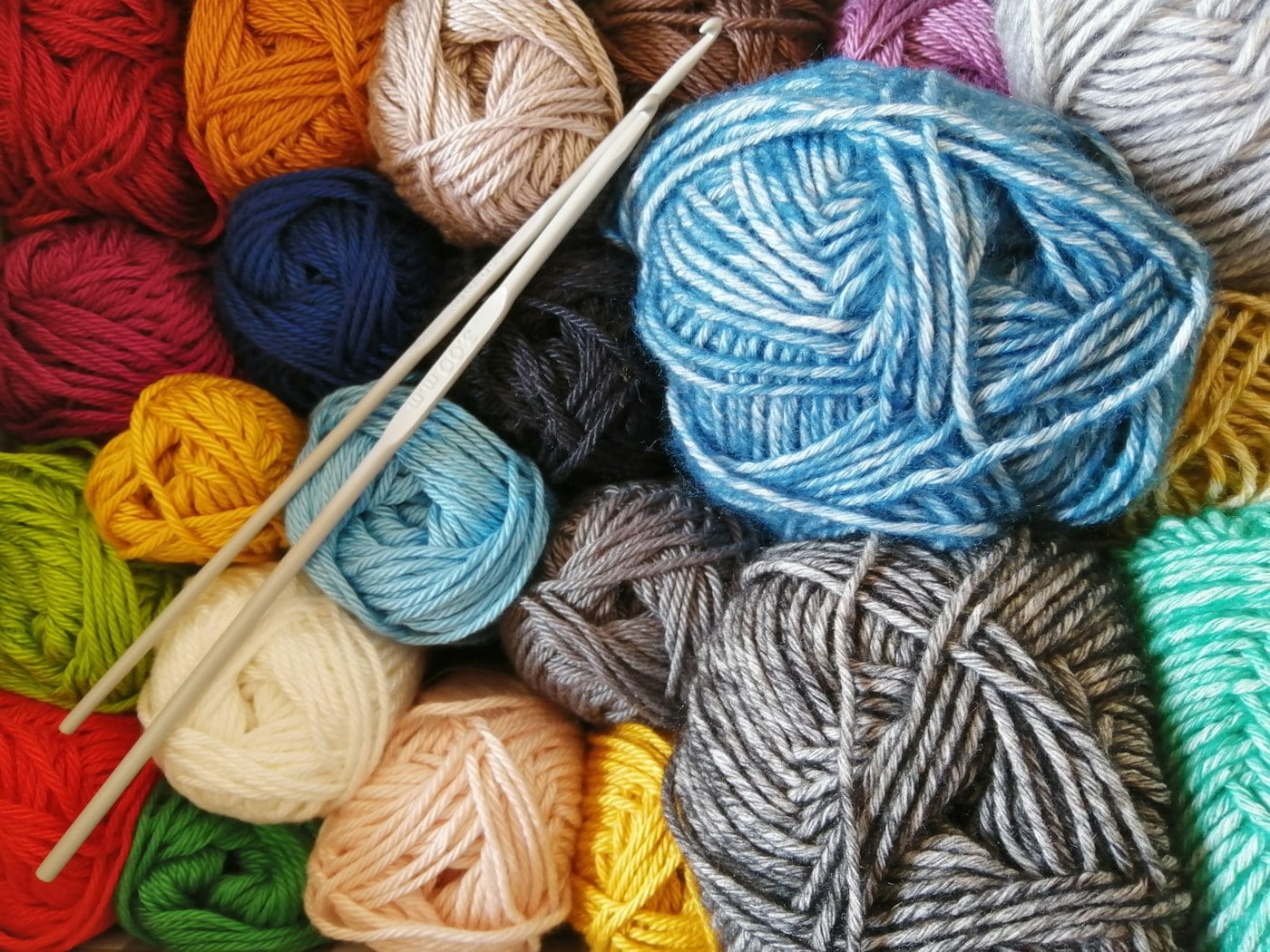
How to weigh a sample and what to do with the number
Weigh the finished garment rather than the fabric. A kitchen scale is enough, and the figure belongs per size, before and after the first wash. The change between the two is water, fibre relaxation and shrinkage, and it is the most useful single predictor of whether the hem will hold through a season.
Treat the weight as a control rather than a target. If the sample is heavier than the brief and the droop is right, the brief was wrong. If the weight matches and the droop is wrong, the yarn or the gauge is wrong, and no pattern change will fix it. Write both numbers into the specification so the next development starts from evidence instead of memory.
What the rebuild changed
The second programme kept the sketch and changed four things: a heavier yarn at a lower gauge, a deeper shoulder drop, a shorter body with a firmer rib, and a wider sleeve with a matching cuff. The chest measurement barely moved. The garment read completely differently.
That is the useful lesson from the retrospective. Oversized is a relationship between weight, drop, length and rib, and a chart can only describe the outcome once the fabric has been chosen. A crewneck rebuilt this way keeps its proportions through a wash cycle; the graded-up version did not.
Sampling runs 7–12 days after fabric and tech pack approval, bulk production typically 20–35 days after sample approval, and inspection to AQL 2.5. A minimum of 300 pieces per style applies, and the colour split matters more on sweaters than on cut-and-sew, because each colour is a yarn dye lot and a dye lot is a commitment.
FAQ
Can an oversized sweater be made from the existing block?
Rarely without a rebuild. The block can supply the neckline and the armhole shape, but the drop, the body length and the sleeve width all change, and the yarn usually changes with them. Treat the existing block as a starting point.
How much droop should I allow for?
Measure it rather than guess. Hang a panel at the intended width for a day and compare the length. The figure depends on the yarn and the gauge, so it belongs in the sample record rather than in a rule of thumb.
Does a heavier sweater always look more oversized?
No. Weight supports volume, but a heavy garment with a shallow drop and a long body reads as a big regular sweater. The silhouette comes from the drop and the length as much as from the weight.
Why does the hem grow after a few wears?
Because the rib relaxes and the body weight pulls through it. A firmer rib tension and a slightly shorter body compensate, and the pair should be checked after a wash rather than on the sample table.
Sources: The Woolmark Company on wool specification and licensing, OEKO-TEX Standard 100, Intertek textile testing, EU Regulation 1007/2011 on textile fibre names, Higg facility indexing, and Control Union certification.
Working on a knitwear project?
Let’s talk yarn, gauge and timing.
Send a reference or tech pack and we will come back with a practical development route.

