
Two documents carry an RWS claim: a scope certificate that says which operation is certified to what, and a transaction certificate that says which wool went into this order. A brief that asks for “RWS wool” without naming both leaves the buyer with a requirement nobody can verify and a label nobody can defend.
An RWS wool knitwear sourcing brief has to state the standard version, the yarn’s certification route, the documents required at each stage and the wording permitted on the label. Those four items are the whole brief, and they are usually written after the sample rather than before it.
RWS wool knitwear sourcing brief: what has to be in it
An RWS wool knitwear sourcing brief has to state the standard version, the yarn’s certification route, the documents required at each stage and the wording permitted on the label. Without those four, a buyer has a requirement that cannot be verified and a claim that cannot be defended.
The order matters less than the completeness. A brief with a version, a route and a document list can be quoted; one that says “sustainable wool preferred” cannot be quoted at all, and the mill will price whatever it has.
What the standard covers, and what it does not
RWS is a voluntary standard for wool production and its chain of custody, and it is owned by an external body rather than by a mill or a brand. The exact requirements, the audit process and the wording a certified operation may use are defined by that body and by the certification bodies that audit against it, so the current text should be checked before a brief is written or a label is approved.
What the standard does not do is certify a factory, a collection or a brand. It certifies operations along a chain, and the chain has to be traceable from the farm or the wool source through the spinner, the knitter and the finished garment. That is a distinction buyers get wrong in both directions: assuming a certified yarn makes the whole product certified, and assuming an uncertified factory cannot work with certified yarn.
The practical position for a brief is to ask what can be sourced, with documents, rather than to assume a capability. The atelier can source RWS wool by requirement with traceability documents where available, and the brief should be written to test that rather than to assume it.
| Document | Who issues it | What it proves | When to ask |
|---|---|---|---|
| Scope certificate | The certification body | Which operation is certified and for which standard version | At supplier qualification |
| Transaction certificate | The certification body, via the supplier | That the specific wool in this order is covered | With the order confirmation |
| Material declaration | The spinner or mill | Fibre composition and the source of the certified wool | With the yarn order |
| Test report | A laboratory | The property being claimed, to a stated method | Before bulk |
The two documents that do the work
The scope certificate answers a structural question: is this operation certified, for this standard, at this version, and does the scope cover the processes it performs? A certificate that covers trading but not knitting is not evidence for a knitting operation, and the scope line is the part to read.
The transaction certificate answers a transactional question: does this specific shipment of wool carry the certified content? It is issued against a transaction, so it arrives with the order rather than with the catalogue, and asking for it at the invoice stage is usually too late to fix a gap.
Both have validity dates. A certificate that expired before the order was placed does not cover the wool, and a brief that asks for “a certificate” without a date will receive one that is comfortably out of date.
Writing the requirement into the brief
The brief is a document the mill and the factory both read, so it should read as a requirement rather than a preference.
- Name the standard and the version the buyer is working to, with the date checked.
- State the certified content required and whether it applies to the whole garment or a component.
- List the documents required at supplier qualification, at order confirmation and before shipment.
- State the wording permitted on the label and in marketing, and who approves it.
- State what happens if the documents cannot be supplied: substitution, delay or cancellation.
Step five is the one that changes behaviour. A brief that says documents are required but does not say what happens without them is a request, and requests are met when convenient.
The brief should also name a date by which the documents must arrive. A deadline turns a document request into a planning input, and it gives the buyer a reason to follow up that is about the calendar rather than about trust.
Matching the yarn to the product
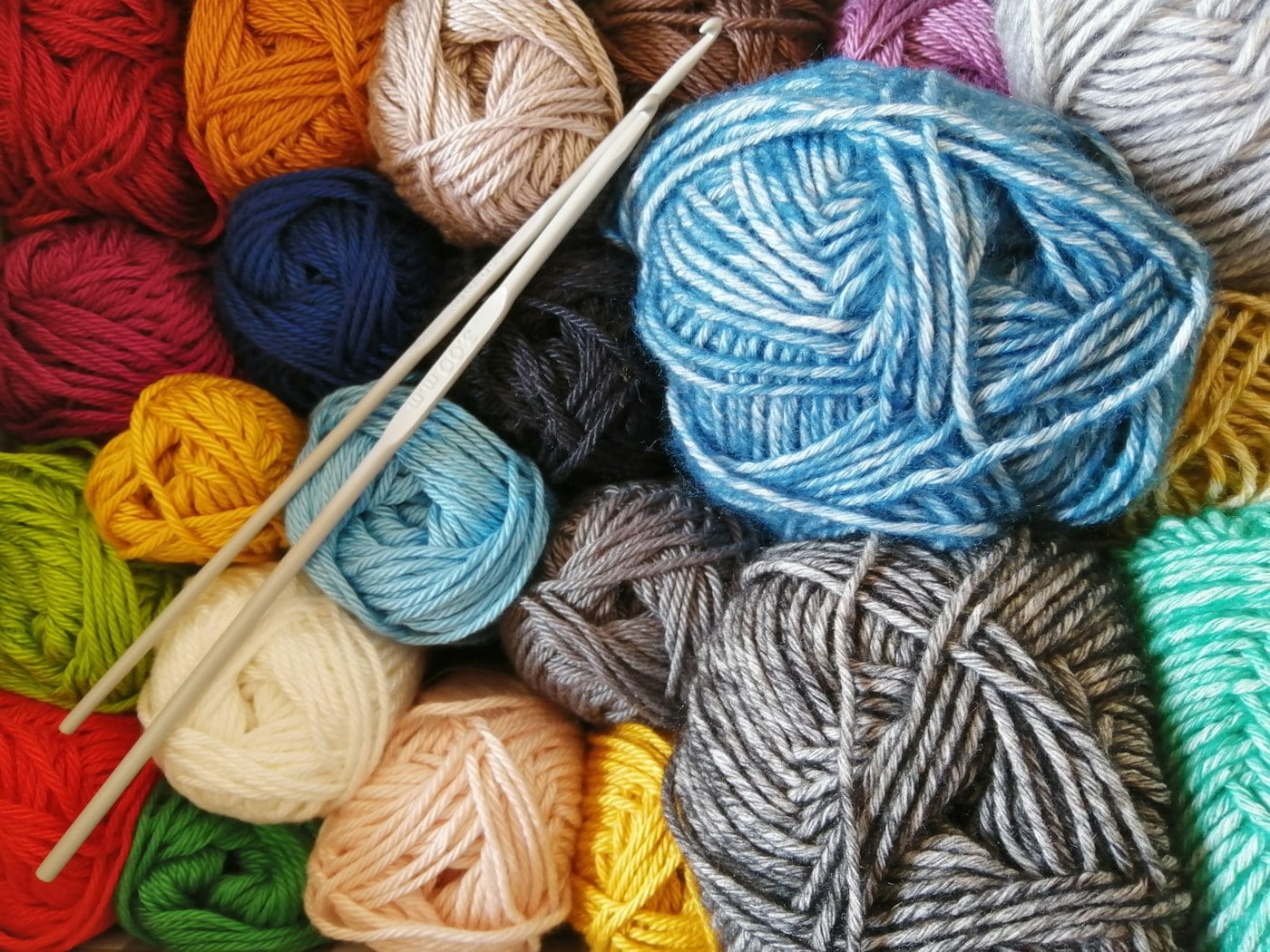
A certified yarn still has to knit. Merino certified to the standard behaves like any other merino of its count, ply and twist, and the gauge decision does not change because of the certificate. What changes is the supply: not every count and colour is available in a certified route at every moment.
That makes the yarn selection a joint decision between the product and the paperwork. A colour that only exists in an uncertified quality forces a choice between the shade and the claim, and the choice is cheaper to make at the brief stage than after the lab dip.
The sampler can settle it quickly. Ask for the certified yarn and the nearest conventional quality side by side, in the same stitch and colour, and judge the hand before the brief is locked. If the two are indistinguishable, the decision is about documents; if they are not, the decision is about the product.
Claims and wording permissions
The wording is not the buyer’s to invent. A standard owner defines how a certified product may be described and what the label may carry, and the certification body confirms the scope. A phrase that sounds accurate can still be outside the permitted wording.
Write the approved wording into the brief and into the label specification, and keep the approval with the order documents. When the marketing copy is written later, it should draw on that approved line rather than on a description of the standard.
Where programmes break
Three failures repeat. The first is a claim written before the yarn was found, which then has to be walked back. The second is a transaction certificate requested after shipment, which arrives incomplete because the transaction has closed.
The third is a scope certificate read for its logo rather than its scope: the operation is certified, but not for the process the order needs. Reading the scope line takes a minute and prevents a season of assumptions.
Keep the documents with the order file rather than in a folder of supplier emails. The next season then starts from evidence instead of a search, and a buyer who changes role leaves the paperwork behind.
Timeline and the sampling window
Certification adds administrative time rather than production time. Sampling runs 7–12 days after fabric and tech pack approval, and bulk production typically 20–35 days after sample approval; neither window includes the weeks a document trail can take if it is requested late.
Start the documents with the yarn enquiry, not with the purchase order. That way the certificate and the sample arrive together, and the label wording can be approved while the sample is still being reviewed rather than after the bulk has shipped.
FAQ
Does RWS certification cover the factory?
No. It certifies operations along the chain, and each operation has its own scope. Ask which operation holds which scope rather than asking whether the factory is certified.
Can we use the RWS logo on the label?
Only within the standard owner’s rules and with the certification body’s approval. The permitted wording should be confirmed before the label is printed, not after.
What if the yarn is not available in our colour?
Then the choice is between the shade and the claim, and it belongs in the brief. A certified route may exist in a nearby shade, or the colour may need to move.
How long do the documents take?
It depends on the supplier and the certification body, so it is quoted per order rather than stated in advance. Request them with the yarn enquiry to avoid discovering the lead time at shipment.
If the requirement is still being scoped, send the product, the yarn and the intended wording to the knitwear team and ask which certified routes are available before the brief is finalised. The merino sweater and cashmere sweater programmes follow the same document discipline with their own fibre standards.
Sources: The Woolmark Company on wool fibre specification, Control Union on certification scope and chain of custody, OEKO-TEX Standard 100 on restricted substances, Intertek on textile testing, and Higg on environmental assessment.
Working on a knitwear project?
Let’s talk yarn, gauge and timing.
Send a reference or tech pack and we will come back with a practical development route.

