
The cardigan came back from the wash two centimetres shorter than the measurement on the sheet, with the shoulder seam pulled out of line. It had passed every check on the table, because nobody had washed it. That is the failure the approval sheet exists to prevent, and it is the one that costs a re-knit rather than a comment.
This sweater sample approval checklist is ordered by what a missed item costs. A yarn fault caught at the swatch stage costs a swatch; the same fault caught after bulk costs a re-knit, a new shipment date and a customer conversation. Reading the list in that order turns it into a commercial document rather than a form.
Sweater Sample Approval Checklist: What the Sign-Off Covers
A sweater approval checklist covers six things: yarn and colour against the approved swatch, gauge and garment weight, measurements on the size being approved, seams and linked edges, a wash test with re-measurement, and every trim and label on the garment. Sign the physical sample, not a photograph of it.
Six items, one signature. The signature is the commercial part: it converts a sample into a standard that a bulk inspection can be measured against, which is the difference between a reference and an opinion.
Where the Cost Sits in the Sequence
Sweater development has four natural checkpoints, and each one costs more than the last. A yarn or swatch error is corrected on the cone. A gauge error is corrected on the sample machine. A measurement error found at pre-production is corrected in a sample round.
The same measurement error found in bulk is corrected in knitted panels that have already consumed yarn and machine time, and it arrives with a shipping date attached.
A sample round also carries costs that never appear on the garment: the courier, the meeting, the delay to a photo shoot. Those are real, and they are small next to a bulk re-knit, which is why the checklist pushes as much as possible into the sample.
Swatch and Yarn: The Earliest Place to Stop
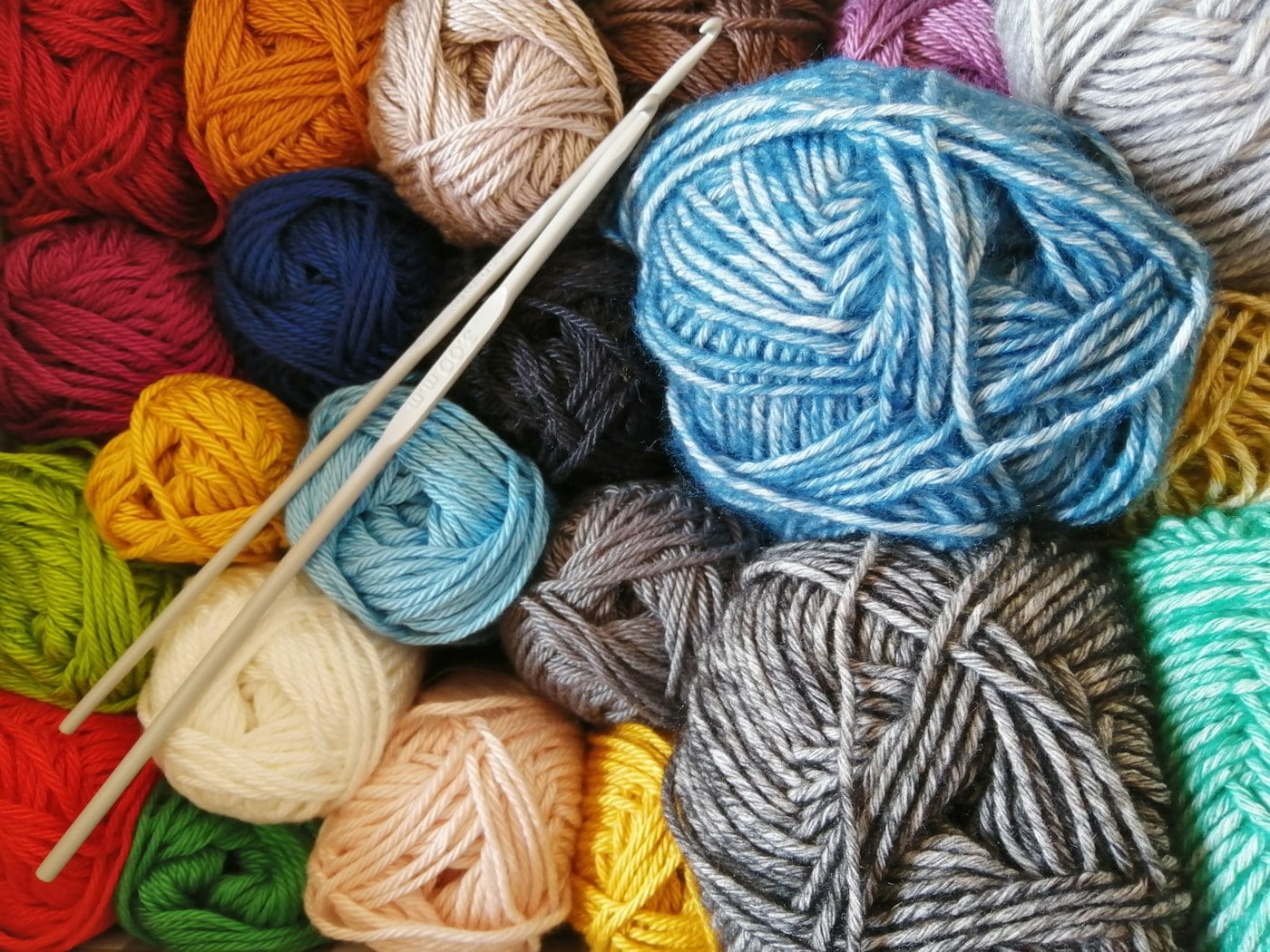
Start with the yarn, not the garment. The swatch should be knitted from the yarn that will be used in bulk, in the colour that will be used, on the machine that will knit it. A swatch knitted at a different gauge is a colour reference only, and a swatch dyed in a different lot is not a colour reference at all.
Record the yarn ticket: count, ply, fibre content and the spinner’s reference. If the customer needs Woolmark, RWS or GRS claims, the ticket is where the chain starts. Horssle Knit can source those yarns by requirement, with traceability documents where available, and the claim attaches to the yarn in that order rather than to the factory.

Gauge, Weight and the Numbers That Travel
Gauge is the machine setting; weight is what the customer feels in the hand. Record both, because two sweaters knitted at the same gauge from different yarns can differ in weight by enough to change the hand feel and the price.
Gauge is quoted as needles per inch and a half, so a 12-gauge machine knits a finer fabric than a 5-gauge one. Write the gauge number and the machine type on the sheet, because the same yarn knits differently on a flat machine and on a circular one.
Weigh the sample on a scale rather than trusting a specification. Garment weight in grams for a stated size is the simplest check a factory can repeat on a bulk run, and it catches yarn substitution earlier than any measurement on a chart.
Measurements on the Size You Approve
Measure the size you expect to sell most of, and one size either side of it. For a sweater that means chest width, body length, sleeve length from centre back, neck width, and the cuff and hem measured both relaxed and stretched.
Knitted trims have two states, and both belong on the sheet. A hem that measures correctly when relaxed can still be too tight to pull over the head, and a neckline that measures correctly when stretched can sit open on the hanger. Record the pair of numbers, not one.
Write tolerances as well as targets. A sweater that measures two centimetres under target and one that measures on target behave differently after a wash, and the tolerance tells the inspector which of them to accept.
Seams, Linked Edges and the Inside of the Garment
Turn the sample inside out. On a sweater the inside tells you more than the outside: linked shoulders and a hand-finished neckline sit flat, while overlocked or taped seams add bulk that shows through a fine gauge.
Run a hand along the shoulder and the armhole. A ridge you can feel through a shirt will be a ridge the wearer feels all day, and it is the kind of fault that a photograph never captures. Check that the linking thread matches the yarn and that the seam allowance has been trimmed.
The Wash Test and What It Costs to Skip
Wash the sample the way the care label instructs, dry it flat, and measure again after it has relaxed. Wool felts and cotton relaxes; both move, and the direction matters more than the size of the movement. A garment that grows in length can be shortened; one that shrinks below the tolerance cannot.
Wash one sample and keep one unwashed. The pair is the evidence in any later disagreement, and it is the only way to tell a bulk problem from a sample that was measured before it settled.
Trims and Labels: Sign the Physical Thing
Labels, buttons, care content and packaging are approved as objects. A woven label approved from a PDF can arrive with the wrong font weight, and a button approved from a photograph can arrive in a different shade. Sign the sample with the trims attached to it.
Ask for the care label artwork at the same time as the yarn ticket. The fibre content has to be fixed before the label can be approved, and a late label change delays the packing rather than the knitting.
Care content is a legal statement in most markets. EU Regulation 1007/2011 sets the fibre names and the content statement, so the care label has to match the yarn ticket rather than the range plan, and the wash instruction has to match the test you actually ran.
The Cost Ladder of a Late Catch
Put the checks in cost order and the reason for each becomes obvious.
| Check | Earliest point to catch it | What it costs later |
|---|---|---|
| Yarn and colour | On the swatch | A re-knit of the whole garment |
| Gauge | On the sample machine | New panels and a new sample round |
| Garment weight | On the sample scale | A yarn re-order and a new lot |
| Measurements | On the size set | Rework, then a re-knit |
| Seams and edges | Inside out, at the sample | Hand repair on every unit |
| Wash behaviour | Before the signature | A second bulk run |
The last row is the one buyers skip, and it is the one that ends programmes. A wash test on one garment costs a day; a shrunk delivery costs a season.
The same six checks apply to a cashmere sweater and to a crewneck, though the tolerances move, because the yarns behave differently in the wash.
When the sample passes, the sweaters programme moves into bulk with the approved sample kept at the factory as the reference on the line. Inspect to AQL 2.5 against that reference, and the checklist keeps working after the meeting ends.
FAQ
Do we need a pre-production sample if a fit sample is already approved?
Yes when the yarn, the gauge or the machine changes. A fit sample made in a stock yarn proves the shape, not the bulk garment, so the pre-production sample is made in production yarn and on production machines.
Can a sweater be approved from photographs and a measurement chart?
Not for weight, hand feel or seam bulk. Those three decide whether the garment feels like the range, and a photograph cannot carry them. Approve the physical sample and use the chart to confirm it.
How long does one sample round take?
At Horssle Knit, sampling runs 7–12 days after fabric and tech pack approval. A second round adds the same window again, which is why a wash test on the first submission is worth the day it costs.
What happens if the wash test fails?
Change the yarn or the finish and re-approve; do not widen the tolerance to fit the result. A tolerance changed at approval becomes a bulk complaint later, and the customer has the label as evidence.
Sources: The Woolmark Company, OEKO-TEX Standard 100, Intertek for test methods, EU Regulation 1007/2011 on textile fibre names, and Control Union for certification scope.
Working on a knitwear project?
Let’s talk yarn, gauge and timing.
Send a reference or tech pack and we will come back with a practical development route.

