Sweater vest fit over a shirt can look right with the arms down and change as soon as the wearer reaches for a keyboard or turns a steering wheel. The layer underneath matters. A soft, slim cotton shirt and a fuller shirt with stiff sleeves can make the same vest sit differently across the shoulders and sides.
Last updated: November 26, 2026
How do you check sweater vest fit over a shirt?
Check sweater vest fit over a shirt by fitting it over the intended shirt in the wearer’s size. Look at shoulder edges, armholes, the side line, and the hem with the arms relaxed, then repeat after a forward reach and a seated movement. Record the shirt and the motion before requesting a change.
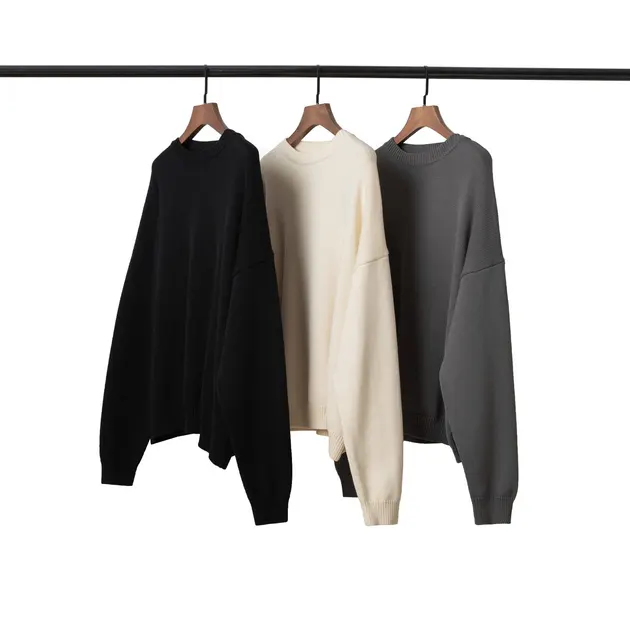
Choose the shirt that the sample must fit over
Use a shirt close to what the intended wearer will pair with the vest. Record the shirt’s size and cut and whether it will be tucked in. Note unusual features such as a large sleeve, a stiff collar, or a thick fabric. Photograph the shirt on the wearer before adding the vest. The photo gives the sample room a reference if the shirt later gathers or twists.
Use the same wearer and shirt when comparing revisions. If you want the vest to work across several shirts, use a defined second layer and record it separately. A movement that works in a light shirt but binds in a fuller one is useful evidence about the range of layering the garment can support. Woolmark’s workwear layering material treats each layer as part of a system. The fitting record should identify the actual layer that mattered for your sample.
Separate shoulder overlap from sleeve opening depth
Start with the shoulders. Check where each vest edge ends relative to the shoulder line you intended. If a vest hangs over the shirt sleeve more than expected, compare the shoulder location from the front and back before blaming the armhole. The shirt’s sleeve can look bunched when an edge sits on top of a fold even though the lower opening is roomy.
Then inspect the underside of the arm. Look for the shirt pushing out through a low opening or being caught under a binding that sits too close. Hold the vest lightly in its natural position and take a side photo. The fine-gauge knit top development guide covers armhole and neckline checks for a different wear setup. For a vest, keep the shirt in place while deciding whether the shoulder edge, opening depth, or binding is driving what you see. Woolmark’s garment care guidance explains why the finished garment’s care directions matter when repeating a fit check after washing.
Repeat the fitting with the wearer moving
Have the wearer reach forward, lower the arms, and sit down. Watch whether the shirt rises with the vest, the back pulls across the shoulder blades, or the hem fails to settle. Photograph the same front, side, and back views you took at rest. Note where a drag line starts and where it ends. If it only happens in a long reach, say so rather than asking to enlarge every dimension.
Send the record with the reference garment and size. Use the shoulder and armhole fit review to communicate which seam or point is involved. If the style will be laundered before fitting again, keep the conditions and resting state consistent and use AATCC’s garment dimensional-change method as a reference for formal home-laundering measurements. After drying, repeat the same wear actions. Bring these photographs and definitions to a discussion about your custom knitwear sample.
When the wearer sits, note whether the shirt catches under the vest hem or whether the two layers slide against each other. Smooth the shirt once and repeat. If the same wrinkle returns, mark the point where it starts and show the sample room both layers. Check whether the vest still covers the shirt at the planned hem line after a reach. A deeper armhole may not correct lost length when the whole back is being pulled up by the fit.
Questions about fitting a sweater vest
How much room should there be at the armhole?
Set room by the intended layer and action. The wearer should comfortably reach as intended, and the opening should hold the planned appearance with the arms down. Write where the shirt was pinched or exposed rather than applying a single allowance to every style.
What if the vest looks loose when worn alone?
Check it over the shirt specified for the range as well. If the garment is designed for both uses, document both fits and agree which is the approval condition for each proposed change.
What do I change first when the shirt sleeve bunches?
Locate the contact point. The shoulder edge, bottom of the armhole, or binding can each affect the sleeve differently. Compare a front and side photograph at rest and during movement before asking the sample room to change a particular measurement.
Working on a knitwear project?
Let’s talk yarn, gauge and timing.
Send a reference or tech pack and we will come back with a practical development route.


