
The number that decides more first orders than the unit price is 300. That is the published minimum at Horssle Knit, per style, and it is the point where a buyer stops describing a garment and starts committing to one. From there the governing document is a purchase order: a description of goods both sides can be held to, not a summary of a conversation.
On the buyer side of that handover, a custom apparel purchase order checklist is less about paperwork than about closing the gaps a factory will otherwise fill with its own judgment. Every blank field gets answered by somebody, usually in the sample room, usually without telling you.
Custom apparel purchase order checklist: the short answer
A custom apparel purchase order checklist should fix six things before it is sent: the style number and its version, the approved sample it references, quantity split by size and colour, packing and labelling instructions, the inspection standard, and delivery terms. Anything left unwritten will be decided by whoever interprets the order last.
The sections below follow that sequence, because an order written out of order contradicts itself: a quantity that ignores the size ratio, a packing note that fights the carton mark.
Decision one: the style number and its version
A style number alone is not an identity. By the time bulk starts, most programs carry several versions of the same style: the first sample, a recut after a fabric change, a colorway added late. If the order names only the style, the factory will build the version it considers current, which may not be the one you approved.
Write three identifiers on every line: the style number, the version or revision code, and the date of the specification that version refers to. If your system has no version codes, use the date of the approved sample photo set.
This is also where you record what changed. One line — collar rib moved from 2×2 to 1×1 after the second sample — costs nothing and prevents a bulk run built to the old construction.
Decision two: which sample the order approves
The order should point to a physical sample, not an adjective. “Soft hand feel, relaxed fit” describes an intention; a sealed sample labelled with style, version, size and date describes a garment. Have the reference sample signed and kept by both sides, then name it in the order as the approval standard.
Sampling runs on a published clock: 7–12 days after fabric and tech pack approval, then bulk production typically 20–35 days after sample approval. Those windows hold only if the sample you approve is the sample the factory files. When a buyer approves from a photo and the factory records a different garment, the schedule slips and nobody can prove where.
Settle what the sample proves. A fit sample proves measurements and drape, not bulk colour or bulk shrinkage, and it does not prove that trims will arrive on time. Say in the order what stays open and who closes it.

Decision three: quantity, size ratio and colour split
Total pieces is the least useful number on the page. The factory cuts to a ratio, dyes to a colour split and packs to an assortment you specify. An order that says 300 pieces without a ratio pushes a buyer’s decision onto the production floor.
Write the size ratio per colour rather than one ratio for the whole order, because a colour that sells in one size curve rarely follows the same curve in another. Then state what happens if a colour falls short at dyeing: substitute, hold, or ship short. Silence gets you the factory’s default, which is usually the option that keeps the line moving.
| Order field | Entry that causes a dispute | Entry that survives production |
|---|---|---|
| Style reference | “Sweater, as discussed” | Style number, version code and date of the approved spec |
| Sample reference | “Match the sample we liked” | Sealed sample ID, size, date and both signatures |
| Quantity | Total pieces only | Pieces per colour and per size, with the ratio stated |
| colour | “Ecru, like last time” | Approved lab dip reference and the light source used to approve it |
| Packing | “Retail ready” | Polybag, hangtag position, size sticker, carton mark and count per carton |
| Inspection | “Good quality” | AQL 2.5, inspection stage and who attends |
Each row is a decision, not a formatting preference. The right-hand column is a set of facts someone can check at the end of the run.
Decision four: packing, labels and carton marks
Packing is where a correct garment becomes an incorrect shipment. A retailer’s floor-ready requirement usually includes a specific polybag, a hangtag position, a size sticker, a barcode and a carton mark carrying the order number. None of that is inferred from a tech pack, and none of it is standard across customers.
Attach the packing specification as a numbered document and reference that number in the order. If packaging is being developed in parallel, say so and fix the date by which artwork must be approved. An order that assumes artwork will turn up is an order that will be amended.
Label content is a compliance question as much as a design one. fibre content and care instructions have to meet the rules of the destination market, and the questions buyers ask before sampling tend to surface the same sticking points: origin marking, importer details and what the care label can legally claim. Put those in the label brief, not in a later email.
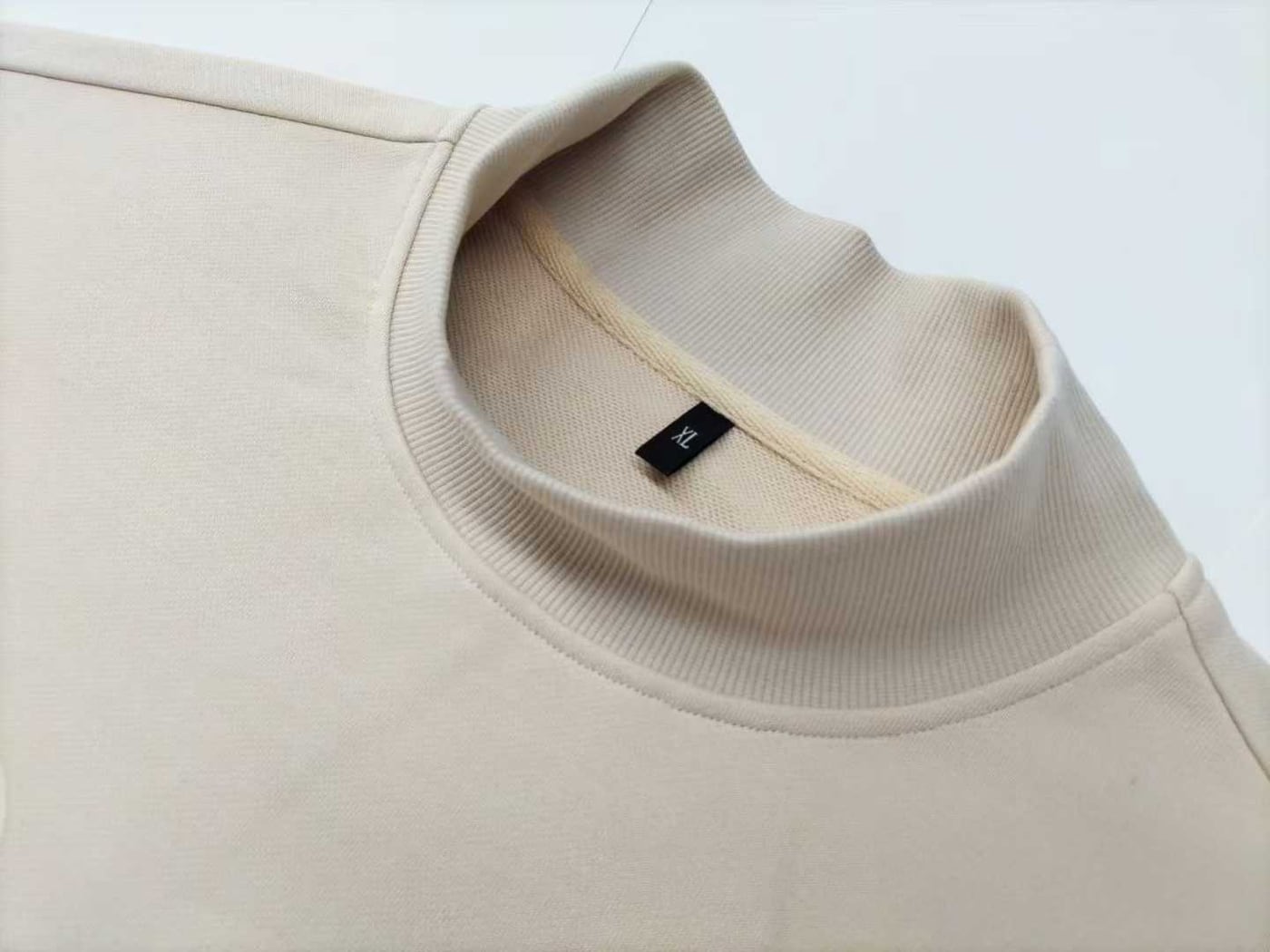
Which document governs which decision
Buyers often treat the tech pack, the sample and the order as three copies of one instruction. They are not, and most disputes begin where a buyer assumes a document covers something it never did.
| Document | What it governs | What it does not govern |
|---|---|---|
| Tech pack | Construction, measurements, materials and trim placement | Price, dates, packing or inspection |
| Approved sample | The physical standard bulk is compared against | colour of a different dye lot, or trim delivery |
| Lab dip record | The colour standard and the light it was approved under | Shade variation between separate dye lots |
| Purchase order | Quantity, packing, inspection standard and delivery basis | Construction details the pack never specified |
Read the rows together and a clean handover appears: the pack describes the garment, the sample proves it, the dip record fixes the colour, the order commits volume. Where a question falls between two rows, close it in writing before the order goes out.
Decision five: what the order leaves to commercial terms
Not every clause belongs in the description of goods. Payment schedule, Incoterms, liability for delay and the currency of the quotation are commercial terms both sides review and sign separately. Dropping them into a technical order makes the document harder to check and easier to dispute.
Keep the halves distinct. The product section says what will be made, how it is packed and inspected. The commercial section says what it costs, when it is paid and who carries risk. When an order mixes the two, the reply tends to address price and skip packing.
Certification claims belong in the product section, but only in the form the paperwork supports. A factory can source OEKO-TEX Standard 100, GRS or RWS yarns by requirement, with traceability documents where those are available. That is a different statement from saying a finished garment is certified, and no order or hangtag should blur the two.
How to amend an order without creating two versions
Amendments are normal. What causes trouble is an amendment that lives in an email while the original document stays in the factory’s system. Issue a revised version with a new revision number, state at the top what changed, and mark the earlier version superseded.
Two rules keep the record clean. No change is effective until it appears on a revision both sides hold. And when a change touches quantity, packing or delivery, confirm whether it also moves the schedule, because a carton change can push packing back by days while production is untouched.
FAQ
Does a purchase order replace a tech pack?
No. The tech pack describes construction, measurements and materials. The purchase order commits quantity, packing, inspection and delivery against that description. A factory needs both, and the order should name the tech pack revision it is built on.
Which sample should the order reference?
The sealed sample approved by the buyer, identified by style, version, size and date, with a signature from each side. Pre-production samples are usually the right reference because they use bulk fabric and trims rather than sampling stock.
Can quantity change after the order is issued?
It can, through a numbered revision agreed in writing. What should not happen is a change passed along in an email thread. Quantity drives material booking, cutting and packing, so it has to reach the same people who received the original order.
Should the order state an inspection standard?
Yes. Name the standard and the stage, for example AQL 2.5 at final inspection, and say who attends. Without a stated standard, acceptance becomes a matter of opinion at exactly the moment when nobody wants an opinion.
The order is a description, not a summary
An order written this way does more than protect a payment. It gives the sampling team something to check against, the cutting room something to follow and the inspector something to measure. It also shortens the quotation cycle, because a factory reading a complete order does not have to price assumptions.
Send the draft order with the tech pack rather than after the quotation. Our manufacturing services page sets out how sampling, bulk production and export packing fit together, and a project review will show which fields your brief is still missing.
Sources: OEKO-TEX Standard 100, EU Regulation 1007/2011 on textile fibre names, US CBP informed compliance publications, Better Work, Intertek and Higg.
Working on a knitwear project?
Let’s talk yarn, gauge and timing.
Send a reference or tech pack and we will come back with a practical development route.

