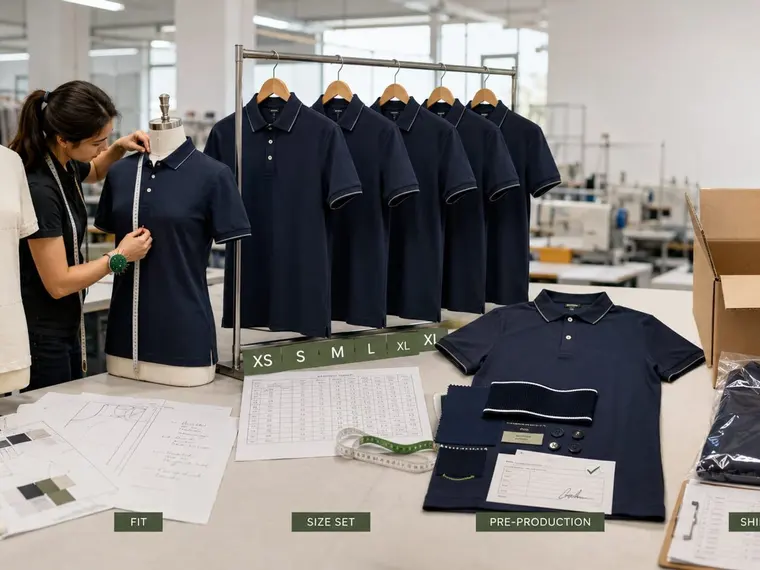
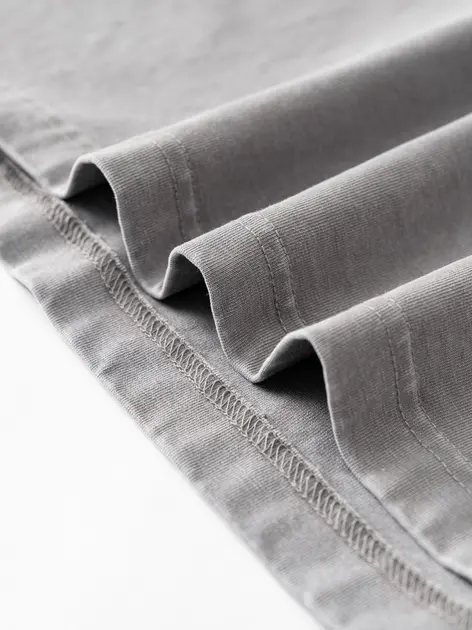
Use this FBA packaging checklist for private-label sweaters to approve a scannable unit and match the sweaters in each carton to the active US Amazon shipment.
Last updated: November 29, 2026
What is required for FBA packaging for private-label sweaters?
Check the prep instructions for your US listing before printing or packing. Approve a protected, sealed sweater unit with the required barcode readable from outside. Map every size and color to the seller’s identifiers. Then match final carton quantities and the shipment labels to the active Send to Amazon workflow.
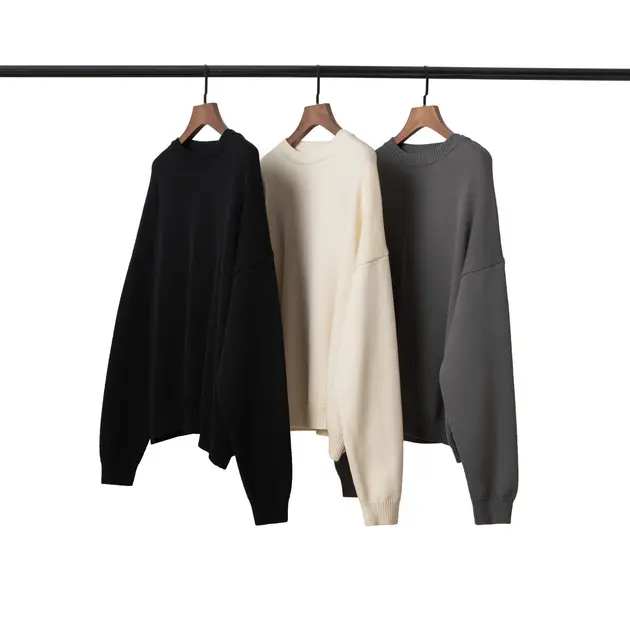
Start with one finished unit per approved variant
Decide which size and color the folded unit represents and how the operator can identify it without opening the bag. Approve the fold, protective wrap, and position of the label on a finished sweater. The US Amazon prep guidance lists apparel as a category needing protection and a scannable barcode. The separate Amazon US bagging requirements explain sealing, warning placement, and barcode visibility for applicable bags. Confirm the listing and current workflow instructions before sending the bag order to print.
Choose the actual bag size against the folded garment. A thicker knit may change the label position or create a fold through it. Put the proof on the packaged unit, scan it in the state in which the warehouse will receive it, and map the result back to the listing record. Save a reference for any variant that needs a different fold, bag, or barcode position. A barcode can scan correctly and still identify the wrong color or size.
What should buyers confirm before releasing the packing run?
Unit identity. Ask the seller to supply the applicable listing and inventory labels for each sellable variant. Match size, color, seller SKU, and the barcode the workflow requires. GS1 US clothing barcode guidance explains trade-item identification; Amazon’s workflow determines which identifier the seller must use for that shipment. If the seller supplies an Amazon barcode, ask which other barcodes must be covered under the applicable instructions. Keep the approved label file as part of the variant record.
Bag and brand information. Confirm which protective packaging and warnings apply. Keep the garment’s care and composition information correct for the destination. If there is a swing tag, verify it will stay with the right variant and will not interfere with scanning. Ask who can approve a packaging substitution if the originally quoted bag is unavailable. Use the purchase order packing checklist to record which proof and carton rules the factory should follow.
Carton counts and timing. Give the factory a packing matrix with size and color quantities. Have it record the contents of each carton as packed. The seller then reconciles that record with the active shipment, provides the applicable labels, and confirms which label goes on which box. Use Amazon’s US inbound carrier guide for the box-label step when that carrier flow applies. Follow the instructions shown for the seller’s shipment and method.
How a packing proof becomes a handoff record
In our published recycled cotton loungewear project, we applied multilingual care labels and barcode stickers at packing. That project illustrates the garment-to-label handoff. For FBA, add a seller-confirmed barcode source and a separate carton-to-shipment check. Our apparel barcode mapping guide covers the underlying variant matrix, and our private-label knitwear options describe where approved packing fits into the order.
Suppose a customer replaces one size in a charcoal sweater run after the first labels are sent. Hold the old labels for that size, confirm the new variant information, and recheck the affected cartons against the active shipment. Photograph or retain a correctly packed unit and the label reference. Ask the packing lead to record the cartons that were corrected, so the seller can see that the carton tally and the shipment labels cover the same goods.
Agree who prepares the final handoff file. Give the seller the carton identifier, size and color counts, and any approved packaging exception before the cartons leave the factory. Ask the seller to return the final shipment-to-carton mapping before labels are applied. If one carton is reopened for a count correction, check whether its content must be updated in the workflow. The handoff works when the physical carton and the seller’s shipment record show the same units on the day of dispatch.

Questions about sending sweaters to FBA
Can the factory reuse the barcode from my retail order?
Ask the seller to confirm which barcode is eligible for the active Amazon listing and shipment. Provide the approved label file again if the retail label should not be used.
Is a box label enough if the unit label cannot be scanned?
Check the two labels separately. The unit identifier tracks the packaged sweater. The shipment box label and contents record are for the inbound carton.
What should I do if I change the size split after packing?
Set aside the affected cartons and update the carton contents with the seller before applying any new shipment labels. Rescan a corrected unit before the goods are released.
Send your sweater variant and packing brief. Include the fold, label source, quantity split, and who will confirm the active shipment and box labels.
Working on a knitwear project?
Let’s talk yarn, gauge and timing.
Send a reference or tech pack and we will come back with a practical development route.