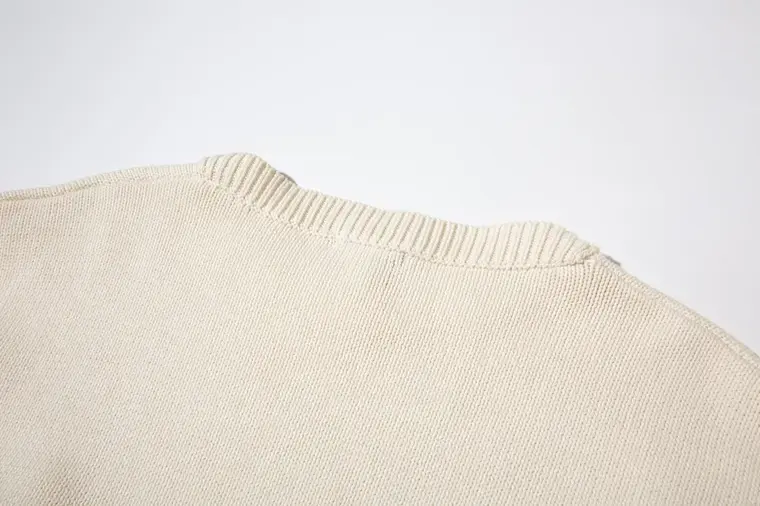
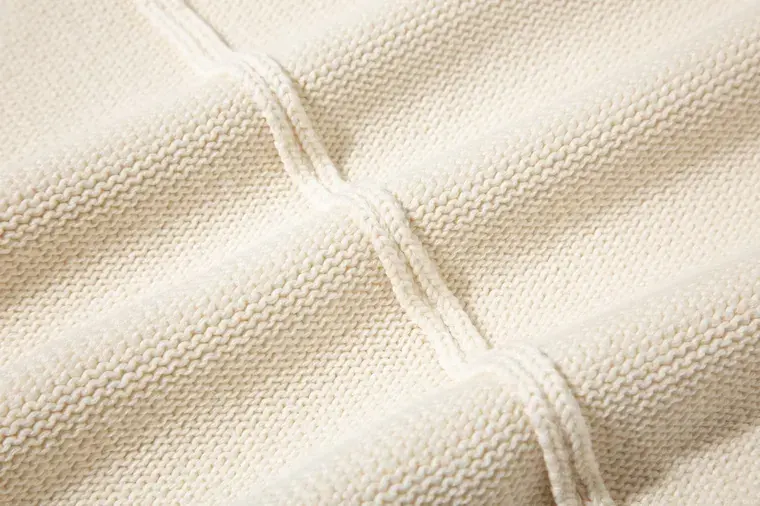
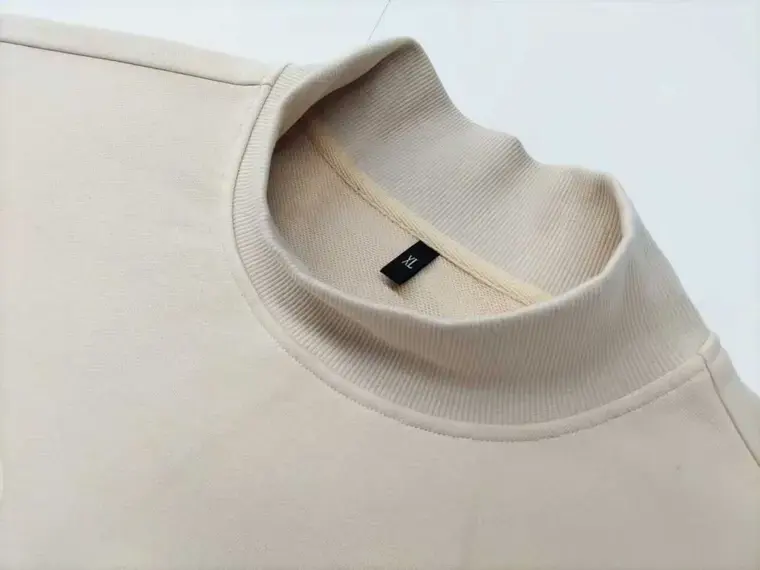
Decide whether your pajama brief needs a tailored woven shape or can use the stretch and drape of cotton jersey before you ask for a substitution. A sleepwear buyer on Reddit wanted a custom prototype in cotton poplin or cotton satin, with particular collar proportions, contrast piping and precise pocket placement. Suppliers offered to use standard styles. If those construction details are central to the product, changing to jersey is a development decision. Keep the original woven reference and ask for a separate knit sample to see what would change.
Last updated: November 28, 2026
When is cotton jersey a suitable change?
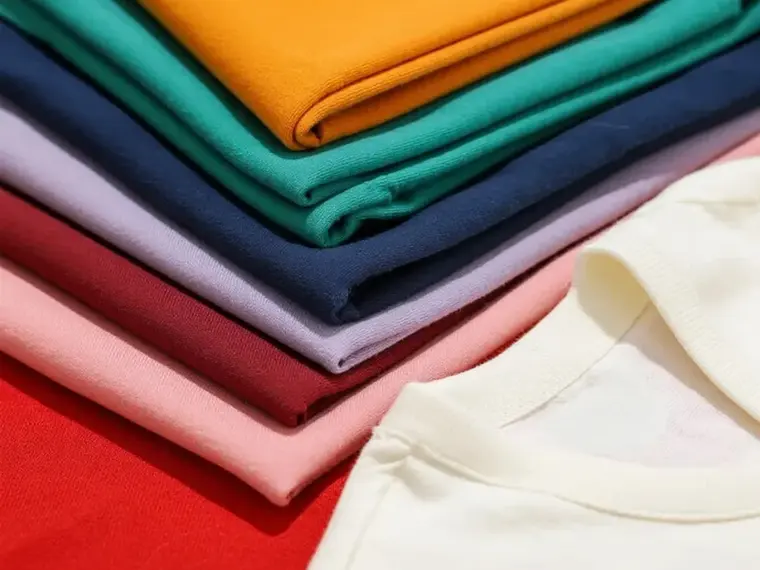
Decide which features must match the original
CottonWorks’ woven fabric reference explains the differences between plain, twill and satin weaves. A cotton poplin and cotton sateen may feel different, even if both are woven cotton. Cotton jersey uses a knit construction with a different way of moving and recovering. One material name cannot tell you how a small collar and a piped edge will look on the finished garment.
Start with the intended pocket, collar or front placket and ask whether it needs a crisp edge or a softer shape. Assess how it hangs at the shoulder. Look at whether the front edge needs to stay straight while the rest of the garment moves. If those exact details define the design, sample the specified woven cloth first. If the wearer wants easier stretch across the shoulder and hip, a separate jersey version can show how you might revise those details.
Compare a finished detail, not just a fabric swatch
Put the candidate swatches together in the intended colors and look at them under the same light. Check surface, drape and stretch recovery. Choose the collar or piped seam with the highest risk and ask for it to be sewn in both versions before approving the full garment. Use the same apparent piping size or preserve the reference for comparison. Note if the knit waves around the seam or if the woven sample feels restrictive in the same position.
ASTM D6193 covers stitches and seams and explains why the relationship between fabric and construction matters. Agree on the inside finish and seam allowance with the sample room. A seam that reads flat and neat on one fabric may look bulky on another. ASTM D737 addresses air permeability in textile fabrics. If air permeability is part of the brief, request comparable textile evidence. A fiber or weave name on its own does not establish the result or predict perceived warmth.
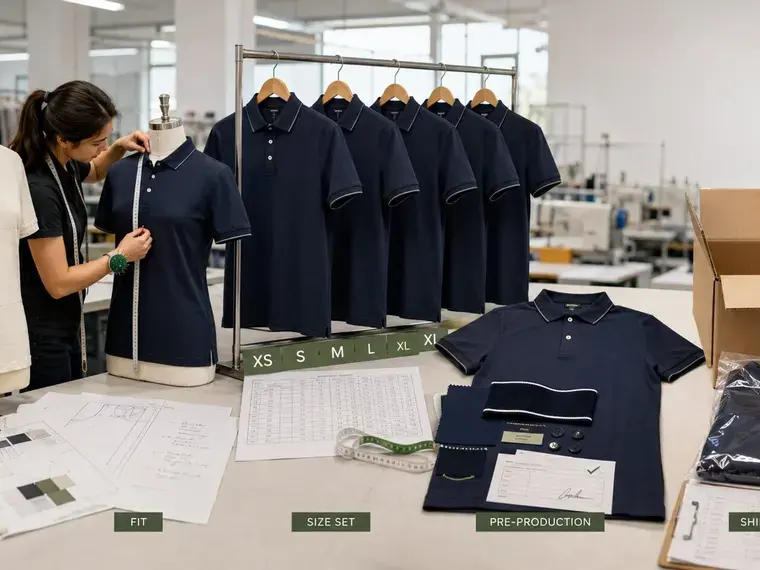
How we develop the knit version
Our custom cotton loungewear program describes jersey and other knit options, sample development and fit approval. If you are considering a jersey replacement, share the woven reference, the intended movements and the trim decisions first. Specify the same proposed care when the fabrics allow it. Review a physical knit sample against the desired ease and appearance. Ask a supplier to confirm separately if your brief still requires woven poplin or sateen.
The modal versus cotton loungewear article covers a fiber comparison. This choice starts with fabric construction and how it handles the trim. If the first jersey sample shifts the pocket opening or changes the collar roll, save that observation before clearing the new material. Specify which feature must stay proportionally the same across sizes.
Review how the piping looks where the collar curves and meets the shoulder. A swatch can feel right in the hand but still form waves around a tight turn. If an alternate tape or seam method improves the sample, preserve that exact construction in the trim page of the brief. Repeat the review on the finished garment after the planned wash and drying conditions so you can see any change that wasn’t apparent on the first sample.
Label the two samples and mark the same point along the collar edge in their before-and-after photos. Record which sample shows a difference in the exposed piping width or a new ripple along the join. If a visible change remains after the knit has dried and rested, request an updated neckline assembly before the next full garment. Keep the unchanged woven reference in the file so the revised piece has a comparison.
Questions to settle before choosing a replacement
Both swatches have a similar weight
Try each on the curved neckline or placket first. Cloth at a similar weight can drape differently or need a different seam allowance. Look at the area with the most layers from the outside and inside, then compare after the care stated in the brief.
The supplier only has a standard jersey pattern
Ask for a sample with the changes you want documented before treating the stock style as your new reference. A commercial option may be suitable if fit and trim are open to change. Approve it against the same physical reference points you asked to see in the original design.
You care more about fit and motion than the exact collar
Define those priorities on the fit model and name which details can change. You might accept a softer collar or a different seam where it gives the desired movement. Keep the decisions in the size and construction draft.
Share the detail you need the new fabric to keep
Send the current fabric, collar or piping photo, expected fit and planned care. Send your knit sleepwear development brief.
Working on a knitwear project?
Let’s talk yarn, gauge and timing.
Send a reference or tech pack and we will come back with a practical development route.