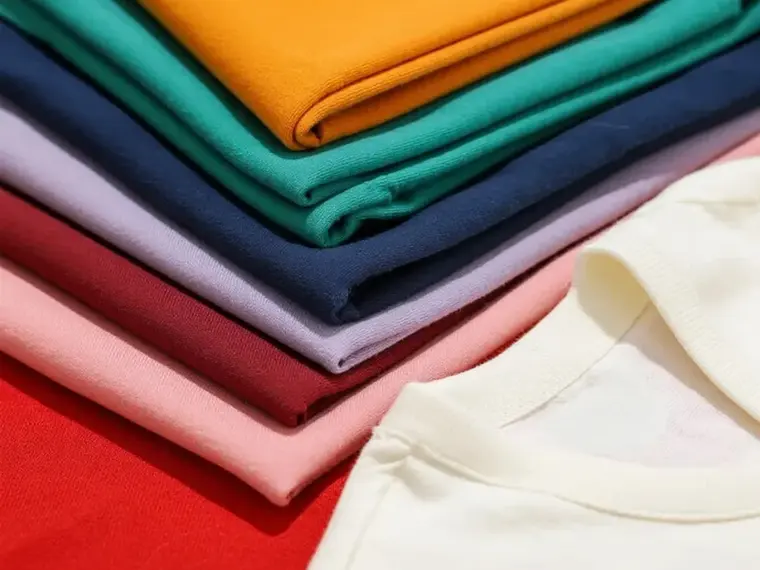
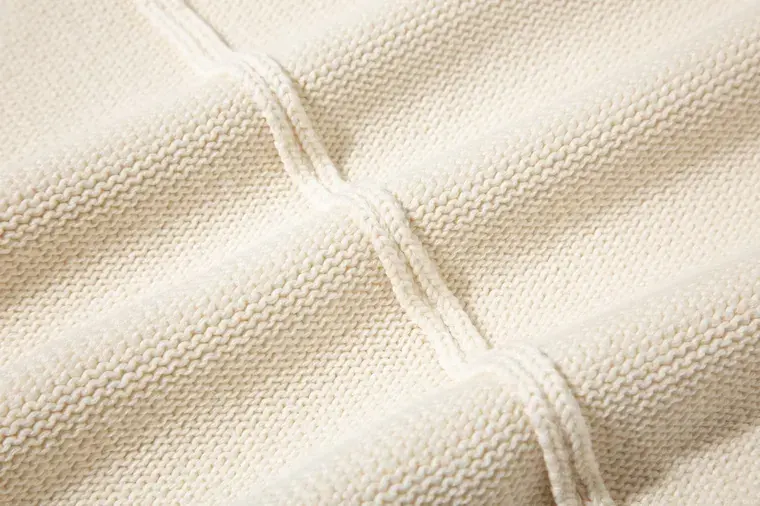
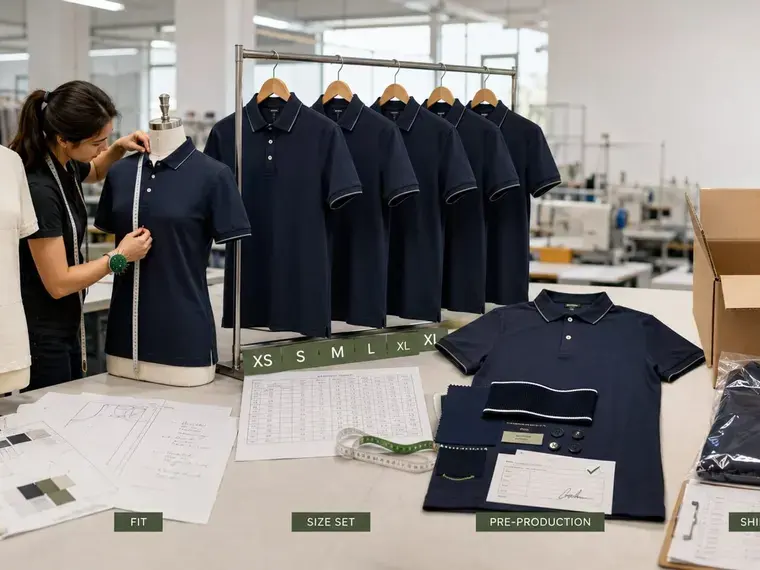
Check the actual knit pants while the fabric stretches over the seat and thigh, using the same light and fit for each sample you compare. A buyer on Reddit found that the first leggings sample was visibly sheer when worn in a squat. The next sample appeared better, and the buyer wanted to know how to keep production consistent. Use the same principle on knit lounge pants, with movements specific to their intended use. A relaxed lounge fit may be checked sitting and bending, while a fitted cut may need a different range of movement.
Last updated: November 28, 2026
What can you check before you approve the pants?
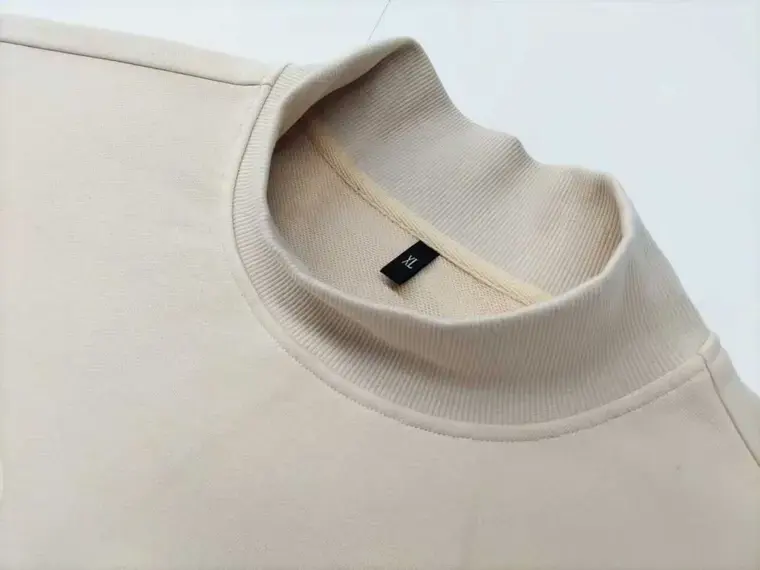
Set one comparison the sample team can repeat
Use the exact fabric color, sample size and fit you plan to buy. Check the pants flat in steady light, then on the intended fit model or a suitable form. Use everyday front, side and back positions as appropriate, with a normal standing view for comparison. Record whether the material becomes noticeably more transparent over a specific area when the wearer sits or bends. The point is to find the amount of coverage at the fit a customer actually receives. Avoid tightening the waistband or stretching the sample beyond the intended use simply to make a difference visible.
Set an agreed contrasting lining, backing or ordinary underlayer for each comparison. Use it consistently and record its color. Check one example under the light where a customer is expected to wear the pants, then repeat in a consistent brighter setting if the brief calls for it. Dark print, shiny fibers, shadows and camera exposure can make a photo hard to interpret. Use the physical samples side by side wherever practical.
Use GSM and stretch to explain the result
ASTM D3776 measures fabric mass per unit area. A heavier fabric can look and feel different, but the mass alone cannot establish coverage. Yarn, stitch structure, color and how much it opens when stretched also matter. ASTM D2594 addresses stretch and growth of low-power knitted fabrics within its scope. It does not certify visual opacity. Ask the supplier to provide test data appropriate to the exact sample and the concern you are trying to solve.
If the result changes after the first care cycle, recheck the fit and the agreed movements. AATCC’s laundering guidance identifies TM150 for garment dimensional change after home laundering. If the finished pants shrink so the body fabric stretches more on a wearer, a dimension result can help explain the change. Use the same at-rest and in-motion comparison to check the actual coverage.
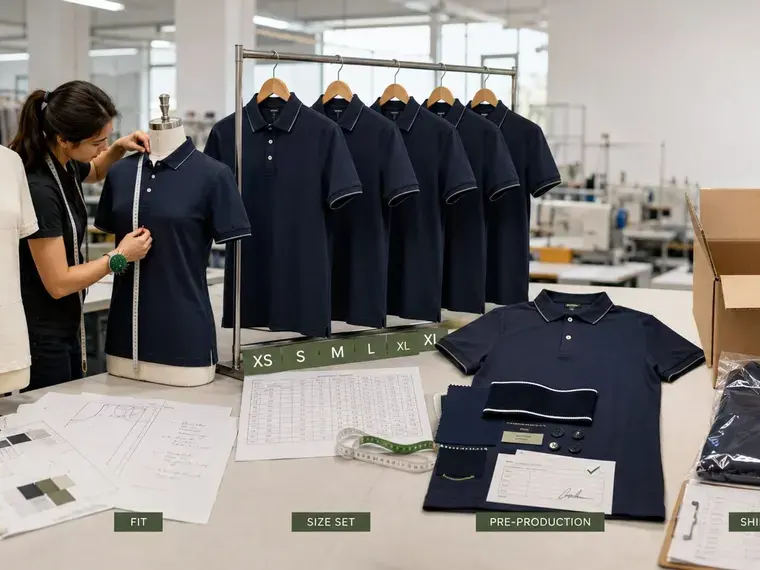
How we connect fabric choice and fit in lounge pants development
Our custom women’s loungewear program includes jersey and rib options, fabric swatches and physical fit approval to the buyer’s size chart. Approve the sample and its fabric reference together. Add the exact color, knit, size, contact area and expected movement to the brief. Keep a physical sample as the comparison if the factory needs to check a production lot or proposes a different fabric.
Add a clear buying criterion. For instance, after agreeing on the backing, light and movement, approve only the colorways where the reference patch cannot be identified through the area tested. Meet with the supplier to determine which areas and sample sizes need to be checked. Preserve the accepted reference and the observations on the approved size. A colorway from another lot, or a grade with a tighter seat, can justify another check.
Add one front and back photograph of the approval setup along with the result. If the supplier or a separate inspection team needs to reproduce the check, ask them to use the same reference and sample measurement. Include the colorways you have actually seen. The sample approval should identify the changed fabric or fit that would trigger another comparison.
What to do when samples seem to disagree
Only one color looks sheer
Check the colors in the same size and fit in the same light. Do not set the whole range to one fabric weight before seeing which colors and garment areas are affected. A pale color may need its own approved reference.
For example, suppose a pale colorway looks acceptable in both sizes while standing, but the contrasting backing is visible when the fit model bends in the smaller size. Repeat the check on that size with its intended seat and thigh dimensions. If the tightness falls outside the size brief, ask for a corrected fit sample first. If the measurements are within the brief and the backing remains visible, review the fabric or the coverage requirement for that colorway before releasing it.
The physical sample passes but the photo looks sheer
Repeat the photo using the same lighting and camera settings, and compare the reference and sample together. Keep the physical check in the approval record so one heavily exposed image does not become the production standard.
A thicker cloth solves coverage but changes the fit
Recheck stretch, drape and ease with the same motion. You may prefer a different construction, color or grade instead of adding weight. Preserve the buyer’s coverage and fit requirements in the same approval.
Send the sample size and movement that revealed the problem
Send the fabric reference, waistband and seat measurements, the colors affected and the agreed fit or movement to reproduce. Send your lounge pants coverage brief.
Working on a knitwear project?
Let’s talk yarn, gauge and timing.
Send a reference or tech pack and we will come back with a practical development route.