Measure both sleeves after the sweater has dried and rested, then decide whether a cuff alteration would keep the fit and shape you already like. A knitter on Reddit reported that a cuff-up sweater in superwash merino fit through the body but had sleeves longer than expected after blocking. Their swatch had not predicted the change, and simply ripping back from the cuff was not an option. Check how far the cuffs cover the hand in normal wear and whether the two sides grew by the same amount before opening any stitches.
Last updated: November 28, 2026
What do you do if the sleeves grew but the body fits?
Take the second measurement from the original landmarks
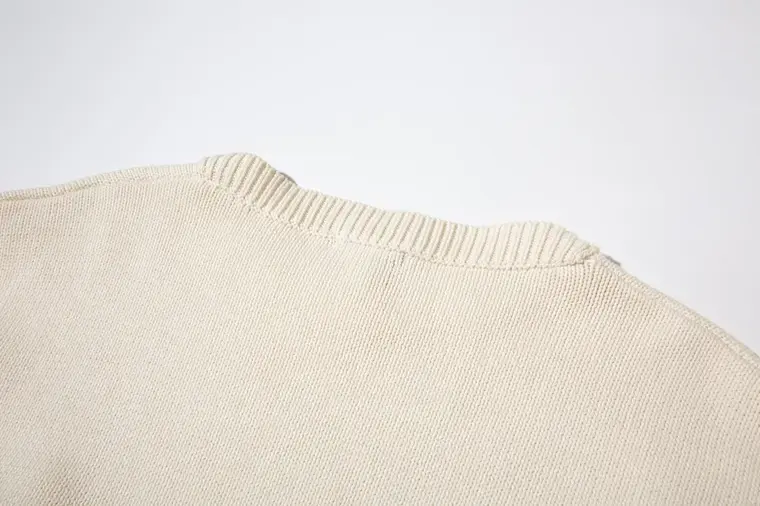
Lay the dry sweater flat on a clean surface and support the sleeves. Use the original measurement points if you know them. A shoulder seam to cuff measurement makes sense where the shoulder seam is a repeatable landmark. A raglan or circular yoke may be easier to compare from the underarm join or another agreed point. Use the same point and tape path on each pass. Measure both sides with the sweater relaxed and record left and right separately.
Put the garment on over the layer you expect to wear, and record how much sleeve length you want removed. Flex your arm and check where the cuff goes; the movement matters as much as the flat number. Note whether the cuff is too far down, the forearm is too loose, or the seam line is twisting. Shortening at the cuff would solve only the length part. If there is no original measurement, keep a dated present-day reference before doing anything irreversible.
ISO 5077 describes how to assess dimensional change after a specified wash and dry procedure. RISE’s textile laboratory summary describes before-and-after measurement in a formal test. The same landmark is valuable for an informal sample comparison. A home tape check does not produce a result under those standards. Woolmark describes supported flat drying for suitable wool sweaters, which helps you avoid adding another handling change while you assess the fit.
Decide whether the cuff can move
Check where the cuff transitions into the main sleeve and how the stitches run. A sleeve made from the shoulder down can sometimes be shortened by undoing its cuff from the end where it was finished. A cuff-up sleeve, a commercially linked cuff or a sleeve with sewn trim can require a different alteration. Before cutting, show the underside of the cuff and sleeve to a knitwear repairer who can identify the attachment, preserve live stitches if needed, and check whether a reworked cuff would still match the sleeve taper.
Compare cuff width at the new position. If you move it up the narrower or wider part of the sleeve, the stitch count or join may no longer fit the opening. A pattern repeat near the cuff may also have to change. Make a reversible try-on first by temporarily turning the cuff to the intended position, if that does not strain the fabric. It can tell you whether the amount of shortening would help and whether a thicker turned edge is acceptable.
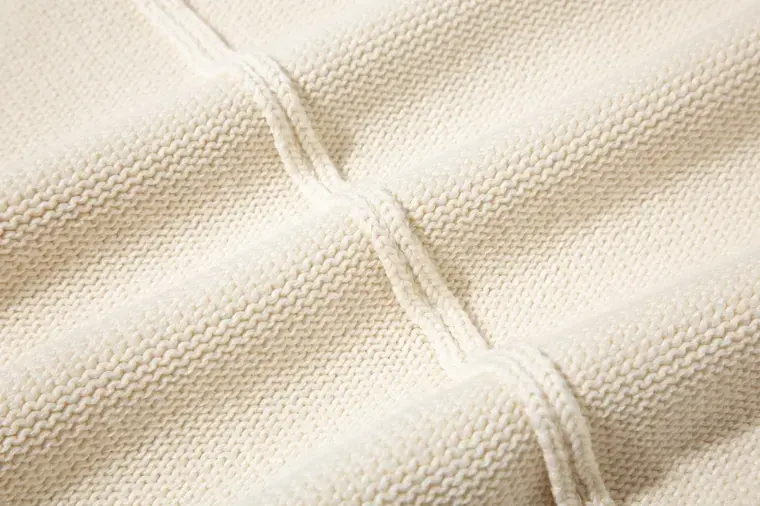
What we measure on a merino development sample
Our custom merino sweater program works through yarn, knit structure and garment fit on a physical sample. For a sleeve that grows differently from its flat swatch, compare the approved dry garment with a matched sample after the intended finish. Preserve sleeve measurements, body length and cuff dimensions together. That helps the team isolate the affected part before changing a sample whose body already works.
Our knitwear dimensional stability guide covers the wider care comparison. For a sleeve-only correction, specify whether the next version changes the cuff join, the sleeve length, or both. Repeat the try-on and the same care check. Leave the accepted body and shoulder measurements on the brief as controls.
Ask the sample room how it will preserve sleeve pitch and the accepted armhole when it adjusts the length. A note that only says “shorten sleeves” invites wider changes. Give the starting and target measurements, measurement landmarks, and the grading direction so at least the next revision can be compared at the same size.
What to resolve before making the alteration
A swatch barely changed but the sleeve did
Record how each piece was measured and finished. The garment has a longer span as well as seams, cuff and its own weight. Test the next actual sleeve before promising that the same swatch result will apply.
Both cuffs are long but one sleeve grew more
Photograph and measure the two sides independently. Check whether the sleeve was twisted, rested differently or had another seam construction. Preserve those differences in the sample notes before applying one correction to both sides.
The sweater needs to be worn immediately
Try a removable cuff fold if it is comfortable. If the waistband, shoulder and body fit as intended, a paused sleeve alteration protects the parts you want to keep.
Share the before-and-after sleeve position
Send measurements from the same point, knit and care references, and photos of both cuffs inside and outside. Send your sweater sleeve fit notes.
Working on a knitwear project?
Let’s talk yarn, gauge and timing.
Send a reference or tech pack and we will come back with a practical development route.