Compare the cost and clean-uniform inventory per staffed week before replacing a uniform rental plan with owned clothing and a laundry service. A restaurant operator on Reddit was considering buying towels and aprons and making a separate arrangement with a cleaner after a proposed price increase. Use the same comparison for ordinary branded staff shirts. Keep kitchen textiles, aprons and uniforms on their own lines where they have different wash, collection and replacement requirements.
Last updated: November 28, 2026
What should you compare before switching?
Keep the garment and cleaning costs separate
Make a comparison for the same roles, staff numbers and operating days. Ask the rental company which pieces, cleaning, replacements, sizing, pickup and delivery come with the rate. List extra charges and the number of pieces you are actually billed for. For uniforms you own, enter the first purchase, replacements, sorting storage and your estimated collection and cleaning costs for the same period. If you expect a uniform logo or color to change, record whether that involves replacing otherwise usable garments.
Ask a separate laundry service to quote for your actual collection frequency and processing method. Add emergency purchases or extra loads only when you have a reasonable basis for the estimate. A company-owned garment with contracted laundry is a third option alongside rental and washing on site. It lets you choose the garment and still pay for cleaning, while your team remains responsible for the stock on hand.
Add the costs for the full comparison period, then divide by the number of staffed weeks in that period, using the same staffing assumptions for each option.
Check how many clean pieces you can issue
Work from the number of garments issued per shift, the turnaround for worn pieces, and a reserve for size changes or delayed pickup. List the clean stock usable today by size. Unassigned shirts in the wrong size won’t cover a delayed delivery. Assign responsibility for signing out, collecting and checking garments, and for deciding when a stained or damaged shirt stays out of use. Test it for a small group before moving every role to the same plan.
The FDA Food Code 2026 is a model used by jurisdictions to develop food safety rules, including personnel cleanliness and outer clothing provisions. Confirm the rules and practices adopted for your location and roles. The TRSA food-service certification overview describes one voluntary outside-laundry certification. Ask any service what it can document for the textiles you need cleaned. Certification scope, the pickup schedule and who has clean stock on hand are separate decisions.
Test the shirt under the intended laundry process
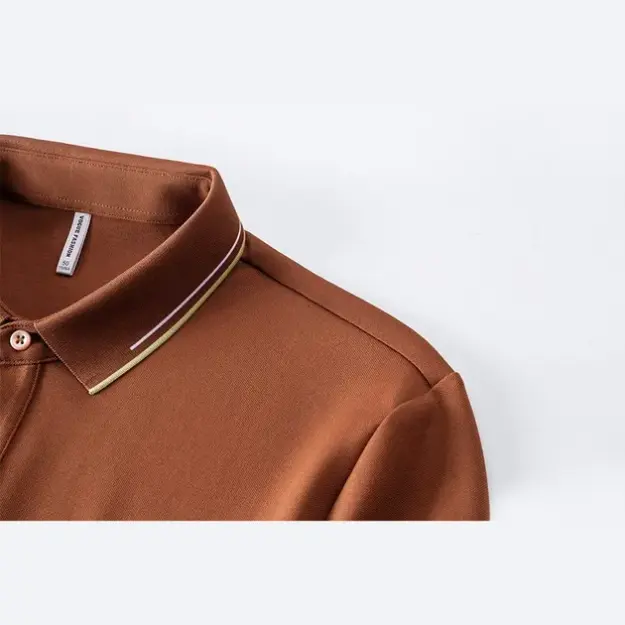
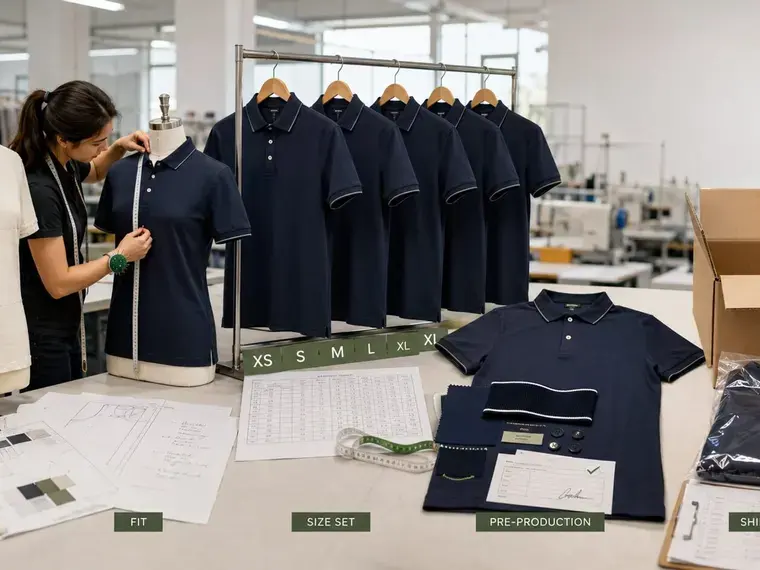
Our custom logo polo development lets buyers specify fit, material and decoration, and approve a physical sample before bulk. Choose a sample in the intended color with the actual mark. Check the garment and the logo after the laundry process you’re considering. Record measurements, collar shape and whether the decoration holds up on the sample. The laundry, turnover and replacement terms belong with the service provider, separate from the garment specification.
ISO 15797:2017 defines industrial washing and finishing procedures for testing applicable workwear. It notes that a trial in actual industrial equipment can be advisable when checking compatibility. Ask the provider for the intended wash and finish, and confirm your workwear evaluation matches it. A household care result alone does not establish performance under that provider’s conditions. Our corporate polo uniform specifications can help you put the shirt and logo requirements in writing.
Before signing, ask each provider to show the weekly pickup and delivery schedule, the process for reporting a lost piece, and the lead time for an urgent size replacement. Set out a representative week with normal staff on shift and one delayed delivery. Record who needs to hold the spare stock under each option and which costs would change. If the lower-price plan depends on a staff member using unpaid time to coordinate clothing, check how the work will actually be covered.
Distinguish garments branded for an individual from a shared uniform pool. Personal issue can make it easier to track who has a garment. Pooled issue can make substitutions easier when sizes match. Record the quantities you would order or rent under the arrangement your staff will actually use.
What changes the decision most?
Your team grows or rotates by season
Forecast replacements and stock changes by size, and ask how each provider handles those changes. An owned stock can lose value when the size mix changes. A rental plan can also have a minimum or charges for unreturned items. Compare the terms you actually receive.
A service pickup gets missed
Check how many staff shifts your reserve covers. Agree who can release additional pieces, when an extra run can be requested and what that costs. A lower service quote may not cover that issue.
You want the same logo when you reorder
Preserve the approved shirt, material, logo size and placement file. Check the lead time and the likely size mix for reorders. When a fabric or decoration changes, compare the approved garment with the replacement after the intended care.
Send the roles, size mix and intended laundry method
Share the number of people by role and size, pickup timing, planned clothing change frequency, logo reference and proposed laundry process. Send your staff polo requirement.
Working on a knitwear project?
Let’s talk yarn, gauge and timing.
Send a reference or tech pack and we will come back with a practical development route.