
The reorder failed on a thread colour. The first order had used a matched thread from a card the factory kept, the second used a stock thread from a supplier, and the two sat a shade apart along every seam. Nobody had written the thread code down.
That is the usual shape of a reorder failure: not a lost pattern or a missing yarn, but a small component that was obvious at the time and invisible in the file. The apparel reorder specification file that prevents it is built during the first order rather than after it, and it is the difference between a bestseller being remade and being redeveloped.
Apparel reorder specification file: the short answer
A reorder file holds the pattern and grade rule, the fabric and yarn codes, the colour standard, the trim list with codes, the sealed sample, the measurement sheet, the test reports and the packing specification. If a component is not in the file, the second order will substitute it, and the substitution is where the resemblance ends.
The sections below take the file in the order it should be built, from the pattern outwards.
Why the second order is harder than the first
The first order is surrounded by attention: the sample is handled daily, the buyer and the factory are in weekly contact, and the details are carried in conversations rather than in documents. The second order starts with a purchase order and a file, and the file is all the factory has.
That is why a reorder can be technically correct and commercially wrong. Every measurement can be inside tolerance while the garment looks different, because the thread is a shade off, the rib has a different elastane content or the label sits two centimetres lower. None of those is a pattern problem, and all of them are file problems.
There is a timing problem as well. The first order is quoted when the details are still being decided, so the quotation carries assumptions. The reorder is quoted when the details are supposed to be fixed, and any assumption the file does not settle comes back as a question, or worse, as a decision made by the factory.
What the file must contain
Start with the pattern and the grade rule, in the version that was approved. Then the fabric and yarn specification with the mill, the article code and the weight, followed by the colour standard, which is a physical standard rather than a screen image. Add the trim list with a code for every item, the sealed sample, the measurement sheet with tolerances, the test reports and the packing specification.
Each of those is a section of one document rather than a separate folder. A file that has to be assembled from five places before a reorder can be quoted is a file that will be assembled wrongly.
| Section | What it holds | What fails without it |
|---|---|---|
| Pattern and grade | Approved block, size rules, tolerances | Fit drifts between orders |
| Fabric and yarn | Mill, article code, weight, composition | A near-match is substituted |
| Colour standard | Physical standard, lighting, approval date | Shade shifts between lots |
| Trims | Every item with a code and a supplier | Thread, button or label changes |
| Sealed sample | The approved garment, washed | Nobody can compare hand or colour |
| Test records | Fibre, colourfastness, restricted substances | Claims cannot be supported |
The third column is the argument for building the file in week one. Each failure is cheap to prevent and expensive to discover, and the expensive discovery usually happens at the customer rather than at the factory.

Colour is a standard, not a photograph
A photograph of a garment carries the light it was taken in, the screen it is viewed on and the age of the file. None of those is a standard. A colour standard is a physical piece, approved under a stated light source, with the date and the approver recorded.
Keep the standard with the sealed sample, and keep a spare. A standard that has faded on a shelf is worse than no standard, because it will be used. Store it in the dark, in a sleeve, and replace it only with a new approval rather than with a comparison.
Record the light source used at approval as well. A standard approved under a daylight lamp and a standard approved under office lighting will be read differently by the next person, and the difference is usually discovered at the bulking stage, when the fabric is already dyed.
Fabric and yarn: the code that matters
Article codes are the difference between a match and a resemblance. Two single jerseys can share a weight and a composition and differ in yarn count, stitch density and finish, and the difference is visible in the wash rather than in the hand.
Record the mill as well as the code, because a code is only meaningful to the mill that issued it. Where the yarn is certified, keep the certificate reference beside the code, so a claim about the fibre can be traced to a document rather than to a conversation.
Record the weight as the mill quotes it and as the finished garment measures it. The two numbers differ, and the difference is the number the reorder will be checked against. A file that holds only the mill figure invites a substitution that passes the paperwork and fails the hand.
Building the file during the first order
The implementation path is a side effect of the sampling process. When the sample is approved, the pattern version is fixed; when the fabric is booked, the article code is known; when the lab dip is approved, the standard exists; when the trims are ordered, the codes exist. The file is assembled as those decisions are made, not reconstructed afterwards.
Give it one owner and one location. A file that two people update in two places splits into two versions, and the reorder will follow whichever one is opened first. A shared folder with a version in the name is enough until the program is large enough to need a system.
The same discipline is what a sampling and production service needs in order to quote a reorder without redeveloping it. A factory can only reuse a specification it can read, and the reading is faster when the file is one document rather than an archive.
Handing the file to a new supplier
A complete file is also what makes a supplier change survivable. A new factory can quote from the fabric code, the trim list and the measurement sheet without redeveloping the style, and the sealed sample tells it what the garment should feel like.
That is the commercial value of the discipline. A brand that can move a style between suppliers keeps its leverage; one that cannot is tied to a single factory for as long as the style sells.
Test the file before it is needed. Send it to a second factory as an exercise and ask for a quotation and three questions. The questions it asks show which sections are thin, and the exercise costs nothing but an email. The questions buyers ask before sampling are a useful checklist for what a complete pack should answer.
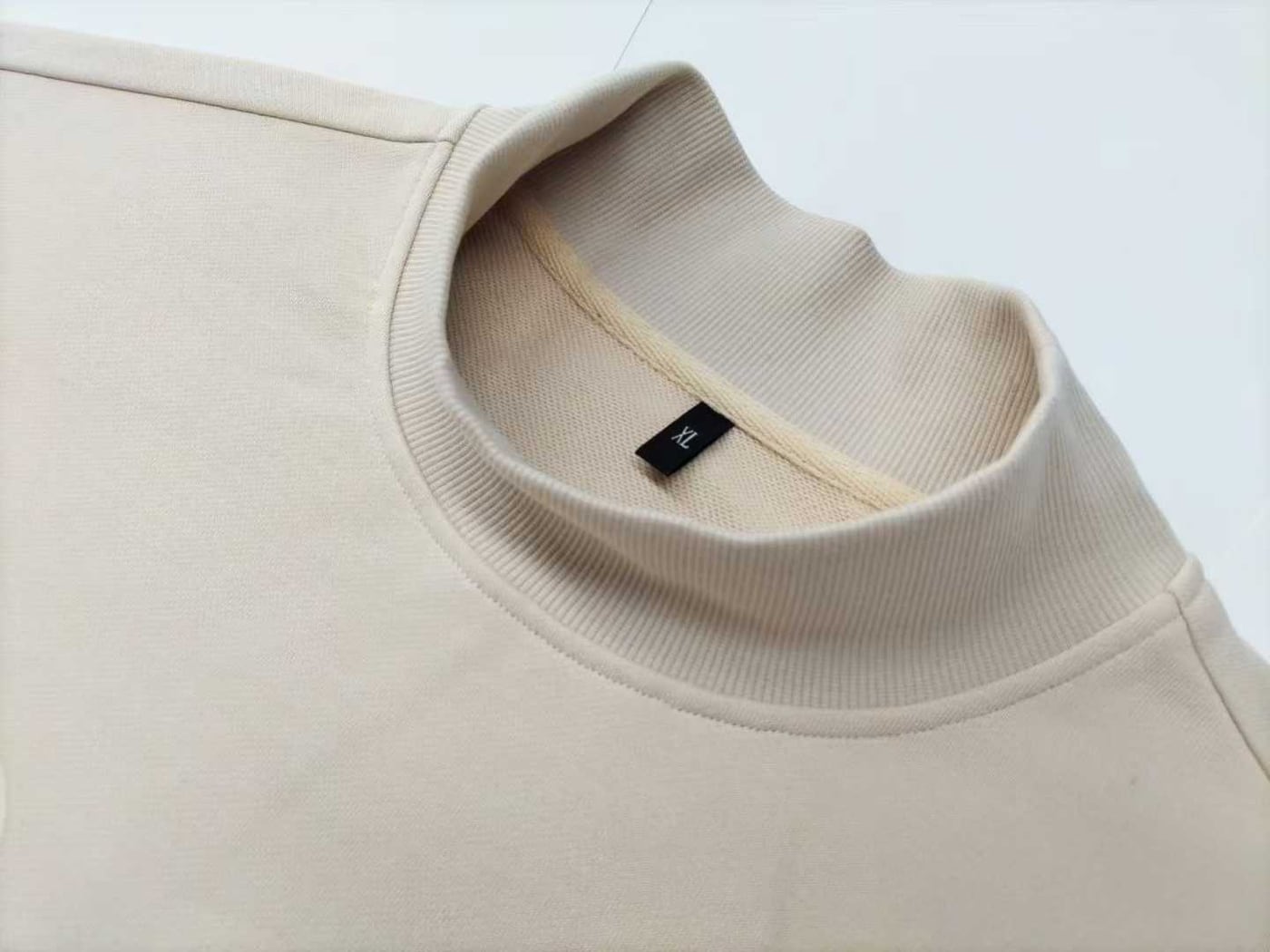
When a bestseller changes
A bestseller rarely stays identical across seasons. The yarn is discontinued, the trim is out of stock, the label changes artwork. Each change creates a new version, and the version has to be recorded rather than substituted silently.
That is where the file earns its keep twice: it shows what the original was, and it records what changed and when. A reorder two seasons later can then be quoted against the current version without pretending it is the first.
Tell the supplier what changed as well, and why. A substitution made for a reason that no longer applies, such as a mill closing or a dye lot running out, can often be reversed, and a supplier who knows the history can suggest the reversal. Send the file and the history together and the conversation starts from the facts rather than from the last order.
FAQ
Can we rebuild the file after the first order?
Partly. The pattern, the measurements and the photographs can be reconstructed, and the fabric code may still be on an invoice. The sealed sample and the physical colour standard usually cannot, and those are the two that decide whether a reorder looks the same.
Do we need a sealed sample for a reorder?
Yes, for a bestseller. The sealed sample is the only reference for hand, colour and construction that does not depend on a description, and a reorder without one is checked against tolerances rather than against a garment.
How often should the file be reviewed?
Once a season, or whenever a component changes. A file that is reviewed only when a reorder is placed is a file that gets corrected during the order rather than before it.
What if the fabric is discontinued?
Record the substitute as a new version with its own sample and approval. A silent substitution is how a bestseller loses the quality that made it one, and the customer notices before the buyer does.
Sources: OEKO-TEX Standard 100, EU Regulation 1007/2011, US CBP, Better Work, Intertek and Higg.
Working on a knitwear project?
Let’s talk yarn, gauge and timing.
Send a reference or tech pack and we will come back with a practical development route.


