Use the decisions still open in your brief to choose between a graphic designer, a technical designer and a manufacturer that offers product development. In a Reddit post, a startup founder was exploring merchandise and asking about finding someone to help with design and manufacturing. If all you need is to place approved artwork on a garment that already fits, you can often begin by asking a supplier for a physical decoration sample. If the fit or construction is still undefined, arrange technical development before ordering the first sample, whether that work is done independently or quoted by the manufacturer.
Last updated: November 28, 2026
Which decision is stopping the first sample?
Before requesting a price, separate the choices you have made from the choices you still need someone to make. A clear brief can be short. It should tell the next person what the garment needs to do and what they are being asked to produce. If the brief asks for a logo mockup, a sewing pattern and a factory quote as though they were one deliverable, you may end up comparing people who are doing different jobs.
Identify who should take the next step
| What you already have | What is still undecided | Who to approach first |
|---|---|---|
| An approved logo and a reference garment that fits | Finished artwork size and where it should sit | A decorator or manufacturer that can show the placement on a physical sample |
| A clear graphic and a style sketch | Fabric, garment measurements, seams or construction | A technical designer, sample room or development-capable manufacturer |
| An approved fit sample and current specification | Availability, feasibility, sample timing and cost | A manufacturer that can quote against the same reference |
| A mood board or a few photos | Original design direction and the intended buyer’s use | A designer who can turn the references into an original garment brief |
A graphic designer can prepare artwork at its intended scale and make it easier to check text and placement. A technical designer can turn a silhouette into drawings, measurement points and construction instructions. A patternmaker or sample room can use those details to develop a physical sample. Some teams perform more than one of these roles. Ask which work is included rather than inferring it from a title.
Ask for a handover you can reuse
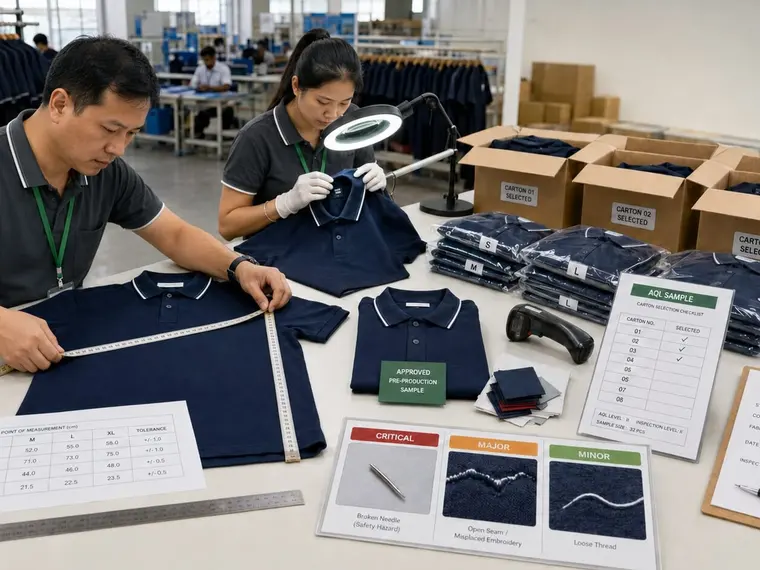
J.Crew’s vendor onboarding materials show a workflow in which technical teams receive a sample and communicate comments through a tech pack. URBN’s vendor development manual also distinguishes development routes based on who provides the initial sample or technical setup. These are examples of how separate roles can hand over their work. Your brief can set a simpler process as long as the approval points are clear.
Ask what you will receive at each stage. A graphic deliverable might include editable artwork and a dimensioned placement drawing. A technical deliverable might include flats, material and trim references, and a versioned list of garment measurements. If the development scope includes a sample or pattern, ask who keeps the physical reference, what editable files can be handed over and which uses each party agrees to. WIPO’s fashion overview describes the different kinds of intellectual property that may matter for fashion brands. Put the roles and deliverables in writing without assuming that payment for one stage settles the rights to every file.
How our team starts a merchandise sample
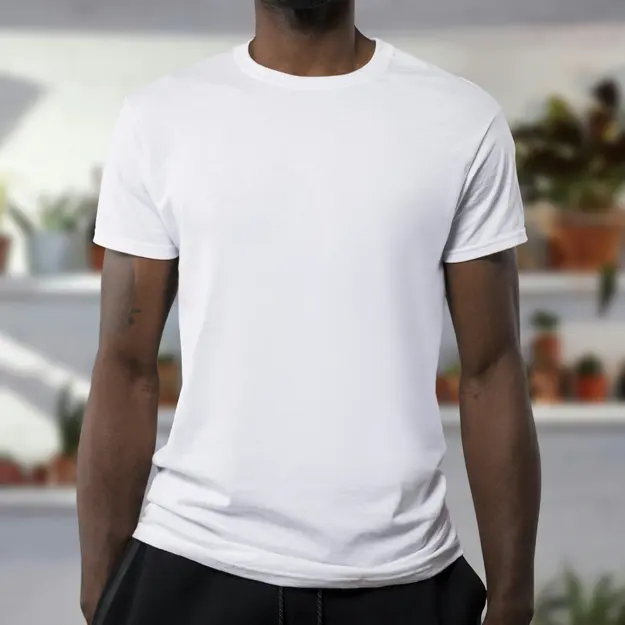
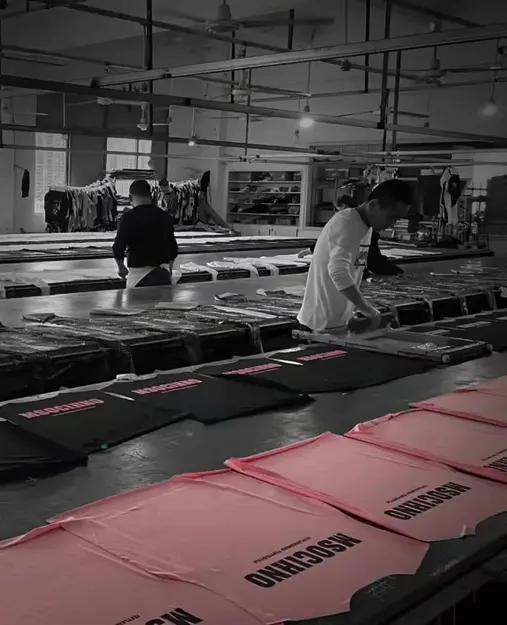
In our custom logo T-shirt program, we ask for the artwork, garment color, finished logo width and a position measured from a repeatable garment point. We use a physical decoration sample on the intended base before bulk approval. That is a reasonable starting checkpoint when the garment shape is settled. See our artwork submission guide for what to send when the garment uses a placed design.
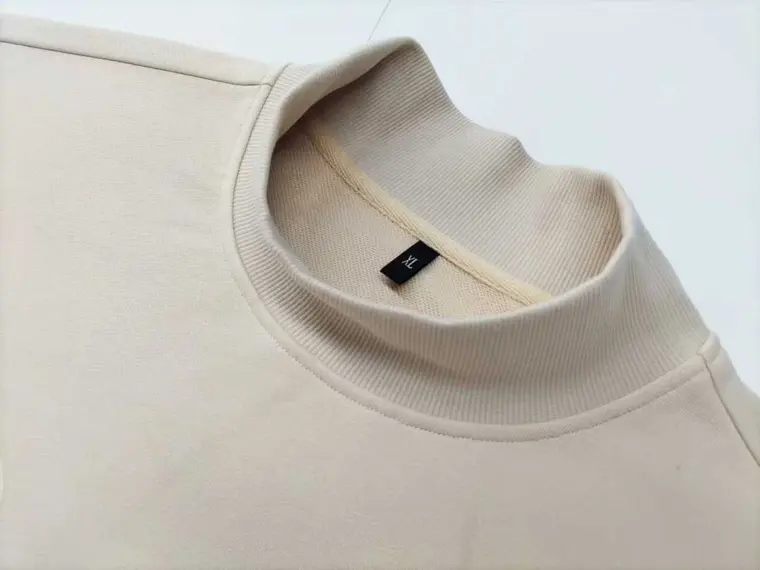
Our development services separate starting from a buyer’s specifications, developing from an earlier brief and applying branding to a development-ready garment. For a new fit, ask for a scope that states which measurements, materials and sample revisions the development fee covers. Start with one representative garment if your first T-shirt and hoodie use different decoration processes or different base materials. Review the appropriate checkpoints for each before assuming that one approved sample covers the other.
Common concerns before hiring anyone
Can a factory quote from a drawing alone?
It can review feasibility and may be able to give an estimate. Ask which assumptions the estimate uses for material, fit and decoration. Agree what it must see to confirm the price or make a paid sample.
Can one person do both design and manufacturing?
An integrated team can handle both if its scope is clear. Ask who writes the specifications, who owns the next revision and what the quote includes. Keep the physical approval step even when one team handles the whole job.
What if I already have a hoodie I like?
Use it to identify the features you want to describe, such as body length, shoulder ease and the opening. Mark the details independently and make your own design decisions. If you intend to copy distinctive artwork or features, clarify your rights before proceeding.
Share the work you already have
Send the approved artwork or style drawings, the garment reference and a short list of the decisions that still need a specialist. Ask us to review where your merchandise brief should start.
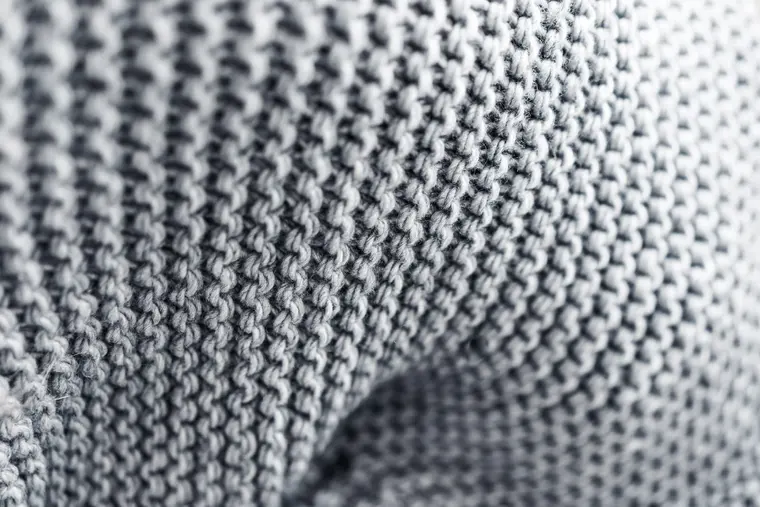
Working on a knitwear project?
Let’s talk yarn, gauge and timing.
Send a reference or tech pack and we will come back with a practical development route.