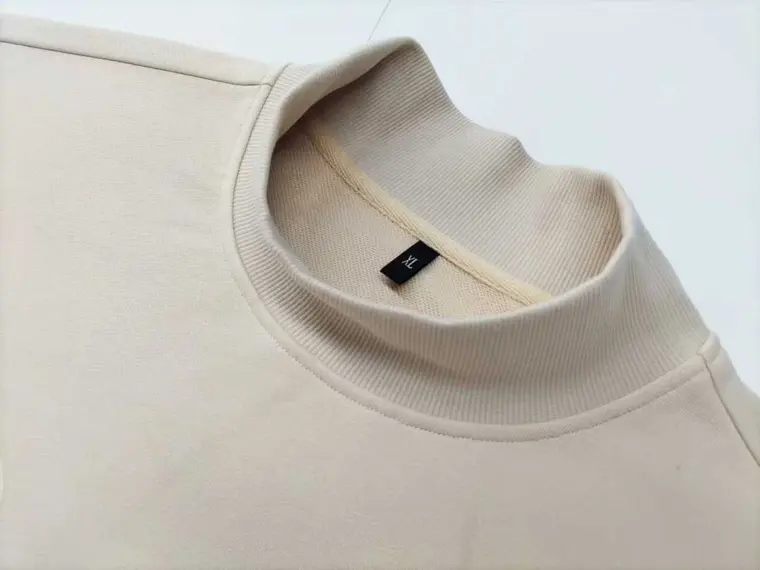
Use the care label and the shape of the distortion to decide whether to try gentle flat reshaping or take the sweater to a cleaner or repairer. A sweater owner on Reddit washed two sweaters and dried them on hangers, then noticed shoulder bumps and a stretched neckline. The garments had no fiber tags. Start by laying the sweater flat and checking the damage dry. When the fiber and care instructions are unknown, avoid trying warm water, steam, a dryer or a tight drawstring to pull it back into shape.
Last updated: November 28, 2026
What should you do first about hanger bumps?
With the sweater on a clean flat surface, take photos of both shoulders, the neck opening and the full garment. Compare the bumps with the points where the hanger arms ended. Note whether the neckline also looks wider or the body longer. Photograph the garment before trying any change so you have something to compare once it has rested flat.
Find out whether the change is local or widespread
Woolmark’s wool drying guidance explains that a wet knit hung from the shoulders can stretch under the weight of the moisture and form raised areas where a hanger supports it. Its sweater care training guide also distinguishes supported flat drying from drying on a line or hanger. Those examples describe wool. Do not use them as a care label for a sweater of unknown fiber.
| What you see on the dry sweater | What it could indicate | Useful next step |
|---|---|---|
| Raised areas where the tips of the hanger sat | A localized support mark | Compare both shoulders and check the label before reshaping |
| Widened neckline and longer body as well as bumps | Distortion in more than one area | Take full-garment measurements or photos and ask a repairer before trying to pull the neckline smaller |
| An open seam, pulled stitches or a hole | Damage to the construction | Keep the garment flat and get the join or stitch assessed |
| Dense, stiff fabric after a wash that made the garment smaller | A change in fabric appearance and size that differs from hanger stretching | Stop experimenting with heat or repeat washes and ask a cleaner or repairer |
Compare the garment with an older photo or a matching piece if you have one. You can compare the shoulders with each other even without a baseline. Avoid judging the neckline by stretching it to see how far it will go. How far it can stretch and how it returns when released are separate observations.
When a gentle reshape is worth trying
If the care label permits water and you know it is a washable wool knit, Woolmark describes gentle local reshaping for shoulders pushed out by a hanger. Follow the label first. Support the affected fabric, gently smooth it toward its normal position by hand, and let it dry flat away from direct heat. Check the dry result before deciding whether to do anything else. A local shoulder bump and a stretched neckline may respond differently.
A garment labeled dry clean only, a vintage piece without a label, or one with an opening seam is a different case. Leave it resting flat and show the before photos and the garment to a professional. The FTC Care Labeling Rule gives the US framework for regular care instructions on covered apparel. A missing label leaves you without the manufacturer’s intended care procedure. Color, softness and appearance alone are poor substitutes for that information.
How we compare shoulders on a sweater sample
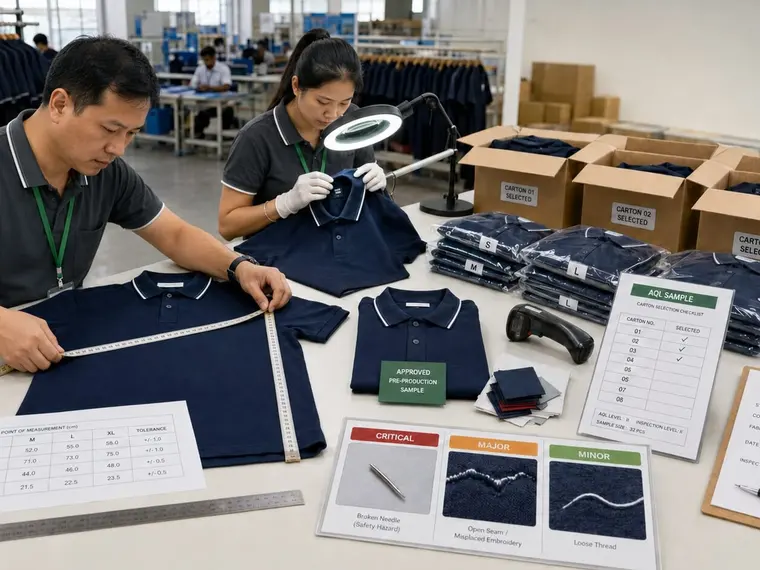
In our custom cashmere sweater program, we review neckline, shoulder position and knit proportions on a physical sample. Our published knitwear case studies also describe how the merino capsule was fitted on a shared size block. For a buyer, that approach gives each garment a reference before care or handling changes its shape. Use our armhole and shoulder construction guide to agree where to compare the two sides.
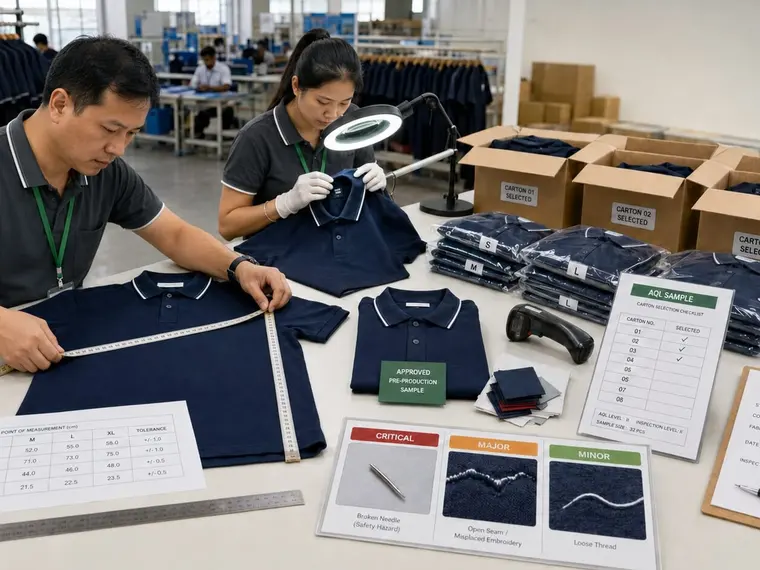
For a product review, keep an approved flat photo and the original measurement points. A distortion that only appears after hanging should be documented separately from a shoulder that sat unevenly before care. Send the full garment photo, a close-up and the point where the hanger supported it.
Questions before you reshape the knit
Will both shoulder bumps disappear without washing again?
They can settle with supported rest, but you cannot predict that from a photo. Check the shape after the sweater has rested flat. Wet care adds another variable, so use it only if the garment’s care instructions permit it.
Can I use a steamer or a dryer to speed it up?
Use the garment’s label to decide whether heat or steam is suitable. For a label-free sweater or one that already looks damaged, seek advice first. A faster drying method is of little use if it changes the whole garment while you are trying to assess one spot.
How should I store the sweater once it is dry?
Fully dry it before putting it away. When practical, Woolmark’s storage guidance recommends gently folding knitted garments. If a retail program requires hangers, review that display method with an actual sample.
Share the shoulder and neckline reference
If you are checking a development sample, send the approved flat measurements, the care instruction and the photos of both shoulders. Send your sweater fit and handling notes.
Working on a knitwear project?
Let’s talk yarn, gauge and timing.
Send a reference or tech pack and we will come back with a practical development route.