Use the finished garment’s dryer instructions and its before-and-after measurements to decide whether a modal pajama set will still fit how you want after regular care. A reader on Reddit wanted full-length pajamas and could not air dry. Their earlier tall pajama pants had become shorter after washing and drying. The original post did not identify those pants as modal. The question is useful for a modal set because a fiber name alone does not tell you how the finished waistband, knit and seams will behave.
Last updated: November 28, 2026
Can you choose modal pajamas if air drying is impractical?
Start with the care label for the specific style, rather than the retailer’s general fabric page. If the label excludes tumble drying and your routine requires it, choose another style or ask the seller to point you toward a compatible piece. If the label permits it, check which setting applies and whether the retailer can provide the finished inseam and any documented change after that care.
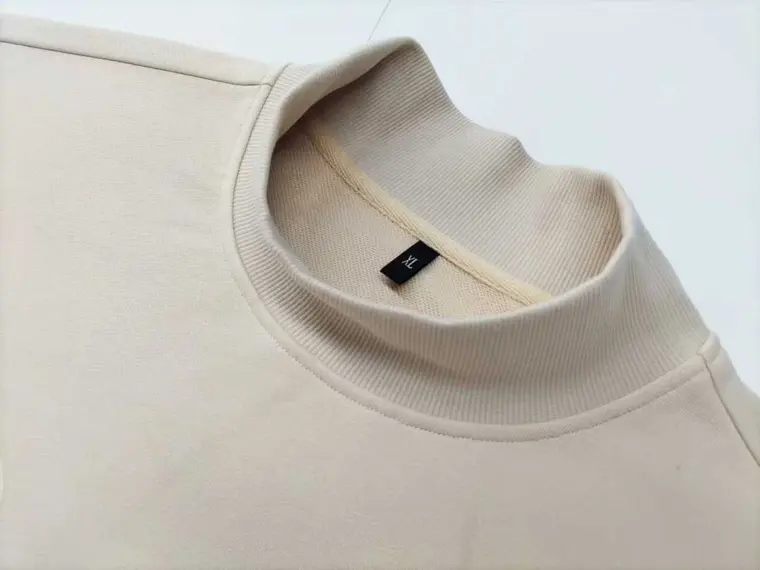
Track the dimensions that affect fit
The FTC’s Care Labeling Rule explains drying instructions as part of regular care information for covered apparel in the United States. ISO 6330:2021 describes domestic washing and drying procedures for textile testing. AATCC TM150-2025 addresses length and width changes in finished garments after home laundering. These methods help a buyer ask for comparable evidence. They do not establish a universal amount of shrinkage for modal pajamas.
| Measure on the finished garment | Use the same reference after care | Why it matters |
|---|---|---|
| Inside leg length | Crotch join to bottom edge, with the leg supported flat | Shows whether the hem still reaches the intended spot |
| Relaxed waist width | Same points with the waistband lying flat and unstretched | Helps separate a waistband change from a leg length change |
| Rise | Same front measuring points agreed with the seller or technical team | Helps explain a different fit even if the inside leg stayed similar |
| Top length | Same neckline or shoulder landmark to the hem | Shows whether the top and pants still fit together the way you bought them |
Measure at rest before and after care. Do not pull the knit to make the tape line up with the original number. If you have only a post-wash garment, compare it against the retailer’s garment measurements for that style and size. Check whether the chart lists body measurements or garment measurements before relying on it.
What we ask for when developing modal loungewear
Our custom modal loungewear specifications ask for the fiber blend, intended drape, waistband recovery and finished fit after the agreed care. Our modal and cotton loungewear comparison also explains why the fabric and finished garment should be compared under the same conditions. For a long-leg specification, put the desired post-care length alongside the base finished measurement. That makes both parties agree on what the garment must accomplish, instead of relying on the word “tall.”
For a development order, retain an unwashed sample and approve the washed length and relaxed waist on an otherwise comparable piece. Record the fabric reference, style, size and exact washing and drying procedure. If the colorway uses another lot or finish, check whether the result still applies before signing off on it. The useful number is the change on the garment and process you intend to use.
Decide whether a different size actually solves the problem
A bigger size may give more room around the hips or waist without adding the inside leg length you need. Ask for both measurements rather than assuming the size steps add length in the place you care about. If you already have pajamas that fit after drying, measure them using the same landmarks and compare with the measurements for the new style. A tall option might be more appropriate than a wider size if length is the only issue.
A roommate’s or reviewer’s experience may use a different care cycle. Compare measurements from the same garment and care conditions wherever possible. Ask the seller for the length measurement in the exact size and whether that length is stated before care. Our care-label symbol guide explains how to read the washing and drying information together.
Common concerns before you order
Will a modal blend shrink less than a pure modal knit?
You cannot rely on that comparison without knowing the construction, finish and care routine. Compare the two finished garments under the same conditions instead of comparing the fiber percentages alone.
If the label allows the dryer, is the fit guaranteed to stay unchanged?
Permission to use a setting and a buyer’s exact fit requirement are different questions. If length matters, request evidence for the finished garment and agree on an acceptable amount of change.
Should I size up to compensate?
Compare the inside leg, rise and relaxed waist of each size. If the longer option also adds more waist than you need, look for a dedicated tall length or a style with a different size pattern.
Specify the fit you need after care
Send the finished leg length and waist you want, the intended blend and the care procedure that works for your customer. Send your modal loungewear fit and care brief.
Working on a knitwear project?
Let’s talk yarn, gauge and timing.
Send a reference or tech pack and we will come back with a practical development route.