A useful knit polo vs piqué polo comparison starts by naming the two garments. Here, knit polo means a sweater-style polo built from shaped knit sections, and piqué polo means a cut-and-sewn shirt made from piqué knit fabric. Both can be knitted. The choice is about how each garment is built and how it will be worn.
Last updated: November 26, 2026
Knit polo vs piqué polo: Which sample fits the job?
For a knit polo vs piqué polo decision, sample a sweater-style knit when drape, shaped details, and the hand of the yarn lead the brief. Sample a cut-and-sewn piqué knit polo when the fabric surface, familiar shirt construction, and uniform use lead. Use the same wearer, decoration brief, and care criteria to compare both.
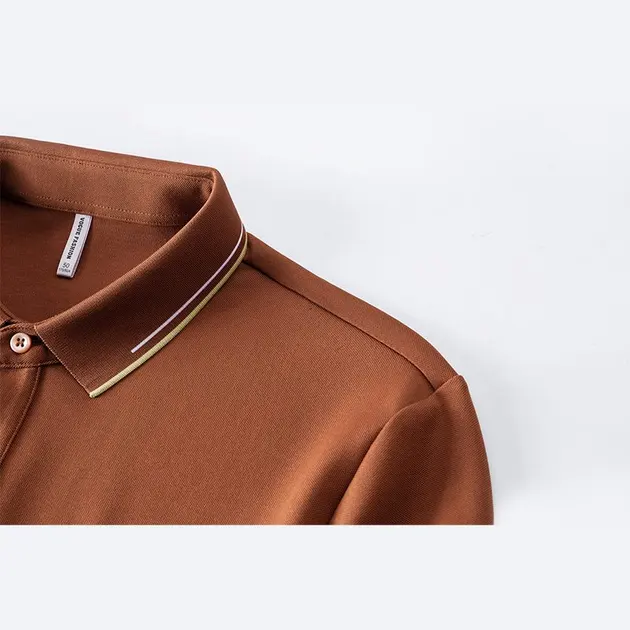
Define each sample on the brief
A sweater-style polo can be made from shaped knit panels assembled into the finished shirt. Ask the supplier how the body, shoulders, collar, and placket are produced and joined. The answer may involve separate pieces, and joining details can change how a garment feels. Have the supplier describe the construction in plain terms before committing to a sample. Include a photo reference for the silhouette you mean. A photograph with no description can leave a factory to choose a different construction while still producing something that looks like a polo.
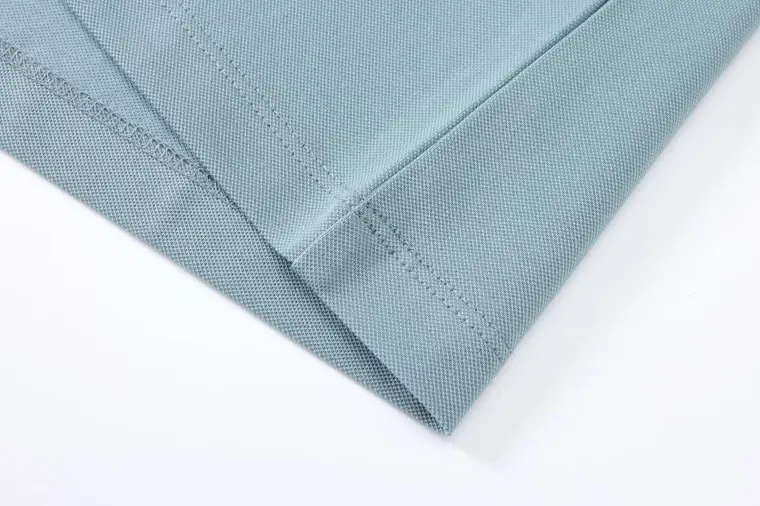
For the cut-and-sewn route, ask for the exact knit fabric planned for cutting and a clear description of its face and reverse. A piqué effect can come from different fabric constructions; the terminology needs a physical sample. RT Tekstil’s piqué fabric sheet provides an example of a supplier describing knitted piqué as a fabric. SHIMA SEIKI’s overview of complete garment knitting gives a manufacturing reference for why terms about how a garment is made should be kept separate from the fabric name. Neither reference identifies the fabric in a quote. Ask for the swatch code rather than choosing from the term alone.
Use the same decision points on both garments
| Decision | Sweater-style polo | Cut-and-sewn piqué polo |
|---|---|---|
| Surface | Approve yarn appearance, stitch definition, and the hand of the knitted panels. | Approve the specific fabric face and the reverse that touches the wearer. |
| Collar and placket | Inspect the relationship between the knit body, collar edge, and closure. | Check the collar material, placket construction, and whether the fabric stays flat around the buttons. |
| Branding | Look for distortion where the decoration meets a panel that stretches in the fitting. | Evaluate the logo edge and definition on the actual textured fabric. |
| Care | Repeat fit and collar checks after the specified process. | Use the specified wash route and recheck placket shape, surface, and appearance. |
Use the table to organize observations rather than assigning a winner by construction. A smooth, stable sweater knit may accept the chosen decoration well. A piqué fabric may give a different look depending on its surface and the logo. Record which sample, area, and movement create an issue so a later revision is aimed at the right feature.
Inspect the collar first, then open the placket
Put both garments on the same wearer. Look straight ahead, then turn the head and lower the chin. First try the intended wearing position, which could be open at the throat or closed for a uniform. Look at where the collar edge touches the wearer and whether the points sit symmetrically. Repeat after opening and rebuttoning the placket. If you notice it twisting only after the wearer moves, photograph that position. An attractive flat lay does not settle how the neckline behaves on the body.
Where the two styles sit differently, identify what drives the difference. It may be the collar construction, a different opening dimension, the stretch of the body, or the way the placket is stabilized. Ask the supplier to mark the suspect area on the sample and propose a localized change. An instruction to make the collar firmer across both routes can create a new problem in the style that was already comfortable.
Test the motion the wearer will repeat
Choose a movement that reflects the order. A service worker may spend long periods reaching across a counter, while a retail capsule may be worn under a jacket. Check shoulder movement, side seam balance, and whether fabric collects under another layer. Compare both garments with the same size reference and the same layer, then hold the wearer and camera position steady when you take pictures. Separate fit differences from the differences you intended to compare. A looser sample can appear easier to move in for reasons unrelated to its knit construction.
At rest, look again at the neckline and hem. Does the garment settle, or does the area stay pulled out of position? Write down where the movement began and where the fabric remained distorted. Suppliers can use those notes to distinguish a body fit issue from a closure or seam behavior. Ask for a second size check if the approved size gives little information about a noticeably different body fit.
Use the actual decoration and wash route
Choose the planned logo treatment for the trial and have it applied to each proposed material. Examine the outside and the reverse. In a textured piqué, pay attention to whether a fine edge breaks up against the surface. On a sweater knit, look for a stiffer patch or visible pull around the logo. Give the supplier the intended logo scale and placement rather than assuming that the same artwork will behave the same way when the fabric changes. The polo embroidery and print comparison explains what to compare when choosing the treatment itself.
Wash or otherwise care for each sample by its approved route and let it settle before you compare again. Record the processes separately if the garments require different care. Recheck collar edges, button alignment, logo, and the body measurements you chose at the start. AATCC’s dimensional-change method for garments is a reference when the brief calls for formal measurement after home laundering. If the buyer needs identical care instructions for a uniform program, treat that as a requirement when selecting the sample, before approving a route with care the staff cannot use.
Decide which sample goes forward
Write a short decision note for each garment: intended use, approved features, issues to revise, and repeat checks. Keep a physical control where practical. If the main aim is a knitwear silhouette, use the sweater-style trial to confirm how the collar and body act together. If the main aim is a recognizable polo for repeated wear, evaluate the proposed piqué sample against that uniform or program. If both meet the brief, compare the full order requirements with the supplier, including choices for reorders and the care procedure. Use observations from the specimens you actually saw.
The piqué versus jersey fabric comparison helps with fabric selection within the cut-and-sewn route. When requesting custom polo shirt samples, include the agreed silhouette, fit motions, decoration artwork, and the review notes for the actual use. Avoid adding an entire list of sample alterations when only one point is unresolved; a focused revision keeps the next trial comparable.
Before requesting the next revision, choose which dimensions must match for the comparison to be meaningful. Start with the intended chest fit, shoulder position, sleeve length, and overall length on the wearer. Mark the sample that already meets each requirement. If the two approaches use different thicknesses, judge the interior room with the wearer in it rather than relying on exterior dimensions alone. Record measurements while the fabric is relaxed, and describe how the samples were placed. Inconsistent tape placement can make the apparent difference larger than it is.
Put the observations into the sample sheet before asking for a quote. For example, ask the supplier whether the placket specified on the sweater-style sample is part of the knit or attached, and whether the same setup would be used across sizes. For the piqué sample, keep the fabric swatch and the actual cut garment together. If the supplier proposes a substitute fabric, treat it as a new comparison. Surface and recovery are part of the buying decision, so accepting a swatch substitution after the wear test removes evidence you used to make the choice.
Questions that affect the sample decision
Is a piqué polo a knit garment?
It can be. This comparison uses piqué to refer to a knit fabric used in a cut-and-sewn shirt and sweater-style polo to refer to a shaped knit garment. Ask the supplier to describe the fabric and garment construction together so the terms do not obscure the distinction.
Which polo works better for logo embroidery?
Test the chosen embroidery on both samples. The logo’s stitch density, scale, backing, and the fabric beneath it all affect the finished result. If one sample puckers, identify the actual fabric and treatment before assuming an entire construction route is unsuitable.
Should the two collars use the same dimensions?
They need to reflect the same appearance and wearing goal if you want a useful comparison. Some dimensions may differ when different materials are needed to achieve that goal. Record the planned and measured dimensions and compare the actual collar movement.
Can I use a fabric swatch to choose between the two?
Use swatches to narrow the field, but fit a garment before final approval. Swatches can show texture, weight, and color; they cannot show how a collar sits, how the placket moves, or where the shoulder and body feel restricted.
Working on a knitwear project?
Let’s talk yarn, gauge and timing.
Send a reference or tech pack and we will come back with a practical development route.


